




Sickle cell disease is diagnosed in the UK primarily through specialized blood tests that identify atypical haemoglobin, with the majority of cases detected shortly after birth via the national newborn screening programme. In the United Kingdom, healthcare professionals utilize high-performance liquid chromatography or electrophoresis to confirm the presence of sickle haemoglobin. By utilising integrated NHS pathways, families can access genetic reviews and specialist haematology support.
What We’ll Discuss in This Article
- The role of the newborn blood spot test in early identification.
- Clinical procedures for prenatal screening during pregnancy in the UK.
- How haemoglobin electrophoresis distinguishes between disease and trait.
- Identifying physical markers that prompt diagnostic testing in adults.
- The importance of genetic counselling following a confirmed result.
- Accessing integrated UK support pathways for specialist clinical reviews.
Newborn Screening and the Blood Spot Test
The most common way sickle cell disease is diagnosed in the United Kingdom is through the newborn blood spot test, which is offered to all infants when they are approximately five days old. In the United Kingdom, clinical research highlights that detecting the condition in the first week of life allows for the immediate initiation of preventative care to reduce the risk of serious infection. The NHS states that the newborn blood spot test involves taking a small sample of blood from the baby’s heel to check for several health conditions including sickle cell disease.
The laboratory analysis identifies whether the baby has inherited two sickle cell genes or if they are a carrier of the sickle cell trait. In the UK, this professional framework provides a stable foundation for the health journey by identifying that early screening is a primary physiological health factor. By utilised these integrated pathways, the healthcare system ensures that every person’s profile is supported through evidence-based understanding. This coordinated effort prioritises the safety of the individual within a validated medical environment that focuses on maintaining biological homeostasis from infancy.
Prenatal Screening During Pregnancy
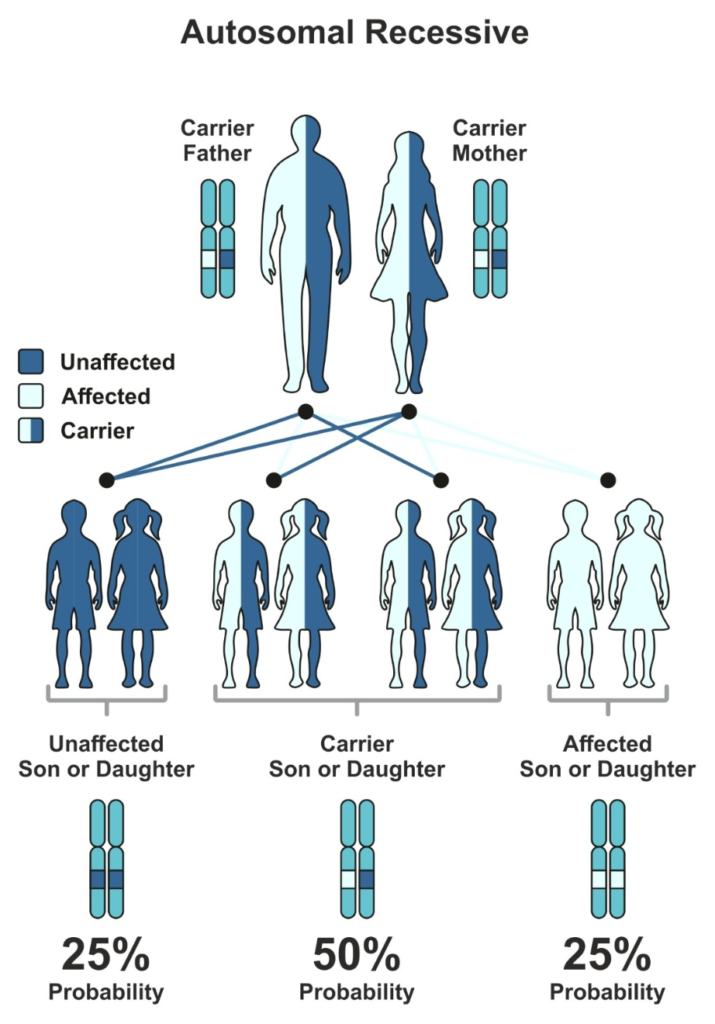
Diagnosis or identification of carrier status can also occur during pregnancy through the NHS Sickle Cell and Thalassaemia Screening Programme, which offers blood tests to all expectant parents to assess the likelihood of a child inheriting the condition. In the United Kingdom, specialists recognise that early awareness allows parents to make informed decisions and prepare for the child’s specialist clinical needs. NICE clinical guidelines indicate that pregnant women should be offered screening for sickle cell disease and thalassaemia as early as possible, ideally before ten weeks of pregnancy.
| Screening Stage | Diagnostic Procedure | Biological Purpose |
| Antenatal | Maternal blood test and paternal testing if required. | Identifying the risk of the baby inheriting two atypical genes. |
| Newborn | Heel prick blood spot test at five days old. | Universal screening for early identification and care. |
| Paediatric | Confirmatory venous blood sample analysis. | Verifying initial screening results with detailed mapping. |
| Adult | Haemoglobin electrophoresis or HPLC testing. | Diagnosing individuals who were not screened at birth. |
| Pre-operative | Rapid sickle solubility screening. | Ensuring safety before procedures involving general anaesthesia. |
In the UK, these biological markers are managed through integrated care plans that prioritise a person-centred approach. Identifying the genetic status early helps the multidisciplinary team select the most effective monitoring strategy for the family. This professional oversight is essential for providing a safe and accurate understanding of the individual’s functional capability. By building a robust evidence base through clinical review, the healthcare system provides a secure environment for long-term health maintenance through the identification of genetic drivers.
Laboratory Techniques for Definitive Diagnosis
The definitive diagnosis of sickle cell disease requires sophisticated laboratory techniques, such as high-performance liquid chromatography or haemoglobin electrophoresis, which separate and measure the different types of haemoglobin in a blood sample. In the United Kingdom, healthcare professionals use these tests to distinguish between haemoglobin A, which is healthy, and haemoglobin S, which causes the cells to sickle. The GOV.UK health pages provide clinical profiles indicating that the monitoring of biological markers is a priority for ensuring integrated support through the national screening programme.
These tests can precisely determine if an individual has the disease or if they are a carrier with the sickle cell trait. In the UK, the focus is on providing a stable foundation where the individual’s history and systemic health are reviewed regularly by a specialist haematology team. Identifying these underlying drivers allows for more targeted help that addresses the actual biological cause of any symptoms. By utilised these professional frameworks, the UK system provides a life-long framework of support that adapts to the person’s needs.
Identifying Physical Markers Prompting Adult Diagnosis
While most people in the United Kingdom are diagnosed at birth, some adults who moved to the UK later in life may require diagnostic testing if they display physical markers of chronic anaemia or vaso-occlusive episodes. In the United Kingdom, healthcare professionals focus on these signs during routine reviews to ensure that individuals receive a formal diagnosis and access to specialist support.
Common markers that prompt diagnostic review in the UK include:
- Leaden Fatigue: An overwhelming sense of tiredness caused by the rapid breakdown of red blood cells.
- Acute Localised Pain: Intense discomfort in the bones, joints, or chest without a clear injury.
- Visible Jaundice: Yellowing of the whites of the eyes or skin due to high bilirubin levels.
- Shortness of Breath: Feeling winded after minor exertion as oxygen transport is impaired.
- Frequent Infections: Increased vulnerability to illness suggesting reduced splenic function.
- Abdominal Swelling: Discomfort that may indicate the spleen is trapping blood cells.
- Vision Changes: Disturbances caused by blocks in the tiny vessels of the eye.
In the UK, the focus is on providing a stable foundation for the individual to move forward with self-understanding. The NHS ensures that adults have a consistent point of contact for their health needs while they navigate their lives. By utilised these integrated pathways, the healthcare system provides a secure environment for building long-term health wellbeing across the UK population. This integrated approach ensures that the person’s unique way of functioning is respected within their home and professional environment.
Accessing Integrated NHS Support Pathways
The pathway for sickle cell diagnosis and management in the United Kingdom is a coordinated process involving midwives, primary care GPs, and specialist hospital haematology units. This journey ensures that every person receives a thorough review of their history and current environment to build a bespoke recovery plan that supports their long-term wellness and functional independence.
The UK integrated support pathway involves:
- Genetic Counselling: Professional advice for families following a diagnosis or carrier result.
- Specialist Haematology Review: Regular appointments to monitor organ health and blood stability.
- Full Blood Count: Periodic measuring of haemoglobin levels and red blood cell indices.
- Crisis Management Plan: Developing a protocol for managing pain and hydration at home.
- Organ Screening: Annual reviews of the heart, lungs, and kidneys to prevent damage.
- Education and Support: Accessing community networks and professional guidance for life-long health.
In the UK, the focus is on providing a stable foundation for the individual to move forward with self-understanding. The NHS ensures that adults and children have a consistent point of contact for their health needs. By utilised these integrated pathways, the healthcare system provides a secure environment for building long-term health wellbeing. These strategies aim to work with the individual’s biology to restore a sense of purpose and stability.
Conclusion
Sickle cell disease is diagnosed through a robust national screening framework and specialized laboratory analysis within the UK healthcare framework. The NHS and professional bodies provide a system of multidisciplinary assessments and genetic reviews to help families achieve stability and resilience from the earliest stages of life. By focusing on both the biological roots of inheritance and the need for clinical oversight, the system promotes the highest possible level of independence. Following a coordinated management plan with the help of medical experts ensures that unique adult and paediatric needs are addressed holistically.
What is the main test used to diagnose sickle cell in the UK?
The primary test is a blood analysis called haemoglobin electrophoresis or HPLC, which identifies the different types of haemoglobin in your system.
Can a person be diagnosed later in life?
Yes; although most are diagnosed at birth, adults can be tested if they show symptoms or if they wish to know their carrier status for family planning.
Is the heel prick test for babies mandatory?
It is not mandatory, but it is highly recommended in the UK to ensure your baby receives early preventative care if they have the condition.
What is the difference between the disease and the trait in a diagnosis?
A diagnosis of the disease means you have two sickle genes, while the trait means you are a carrier with only one gene and usually no symptoms.
How long do blood test results take?
Newborn results are usually available within six weeks, while adult blood tests typically take one to two weeks depending on the laboratory.
Why do I need a second blood test to confirm the diagnosis?
Clinicians often perform a second test on a new sample to ensure the genetic results are accurate before starting long-term specialist care.
Who should I talk to first if I want to be tested?
The first point of contact in the United Kingdom is usually your GP to discuss your history and arrange for a professional blood review.
Authority Snapshot (E-E-A-T)
This article provides medically factual health education regarding the diagnosis of sickle cell disease, strictly aligned with NHS and NICE clinical guidelines. The content is developed by a professional medical writing team and reviewed by Dr. Rebecca Fernandez, a UK-trained physician with extensive experience in internal medicine, gynaecology, and emergency care. All information follows current UK public health protocols to ensure clinical accuracy and patient safety.



