




Coeliac disease is an autoimmune condition triggered by the ingestion of gluten, a protein found in wheat, barley, and rye. To achieve an accurate medical diagnosis, it is essential that the body is actively reacting to the protein at the time of testing. If gluten is removed from the diet before the diagnostic process is complete, the immune markers and physical damage used to identify the condition may begin to fade. Following specific clinical protocols regarding gluten intake ensures that laboratory results are reliable and that patients receive a correct diagnosis within the United Kingdom healthcare system.
What We’ll Discuss in This Article
- The standard duration for a pre-test gluten challenge
- Why gluten is necessary for accurate antibody detection
- Clinical requirements for gluten intake before a biopsy
- Risks of false negative results from premature dietary changes
- Management of symptoms during the testing period
- Special considerations for children undergoing testing
You must consume gluten regularly for at least six weeks before having coeliac disease tests
To ensure that diagnostic tests can accurately identify the condition, medical guidelines in the UK require a consistent intake of gluten leading up to the assessment. According to the National Institute for Health and Care Excellence, you should maintain a gluten containing diet for at least six weeks before testing by including gluten in more than one meal every day.
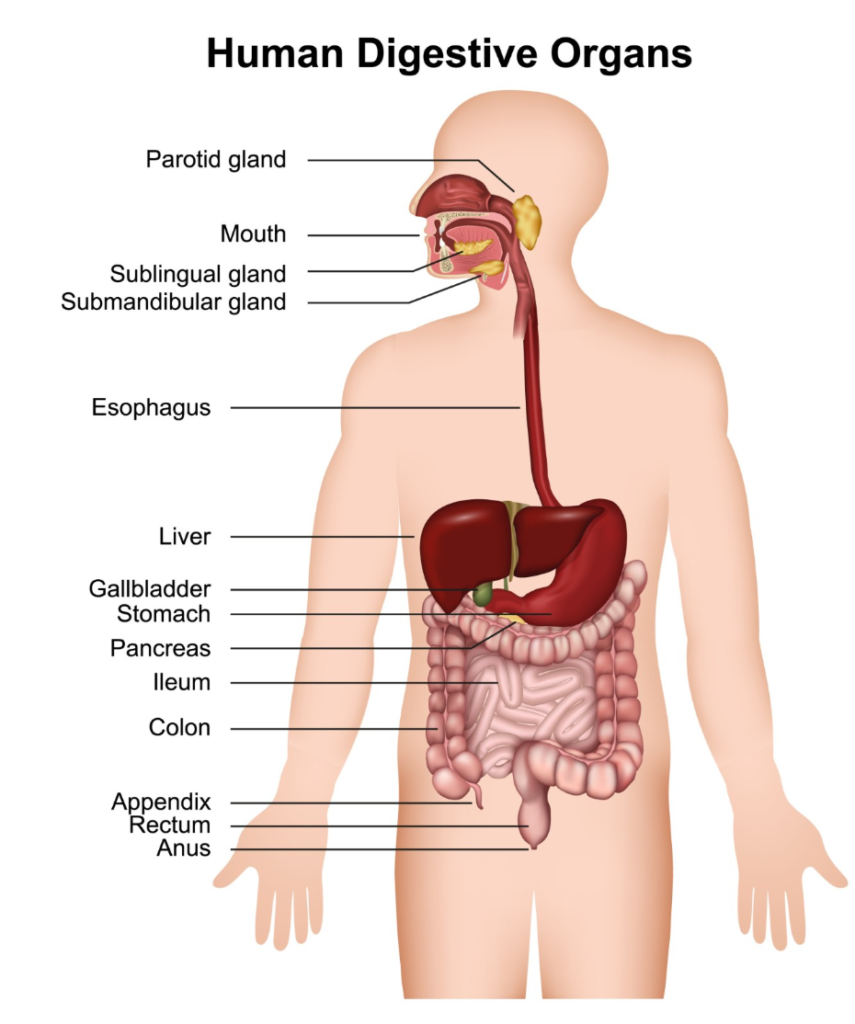
This period of consumption, often called a gluten challenge, allows the immune system to produce detectable levels of antibodies. If a blood test or biopsy is performed while a person is following a gluten free or restricted diet, the results may appear normal even if the person has coeliac disease.
The biological necessity of gluten for antibody detection
Blood tests for coeliac disease are designed to detect specific antibodies, such as tissue transglutaminase (tTG), which the immune system only produces when it perceives gluten as a threat. A blood test is the first step used to help diagnose coeliac disease, and its sensitivity relies entirely on an active autoimmune response. When gluten is removed from the diet, these antibody levels begin to drop, often falling below the detectable range within weeks. For individuals who have already stopped eating gluten, clinicians typically recommend reintroducing it for the full six week period to ensure the laboratory can confirm the presence of the condition.
Requirements for a small bowel biopsy
The confirmatory stage of diagnosis for many adults involves a biopsy to check for physical damage to the intestinal lining, which also requires active gluten exposure to be visible. A biopsy is often carried out in hospital to confirm the diagnosis of coeliac disease by identifying villous atrophy, the flattening of the gut lining. Because the small intestine has a significant capacity to heal once gluten is excluded, performing a biopsy on a gluten free diet may result in a healthy appearing intestine. Maintaining the six week challenge ensures that any structural changes caused by the disease are present for the gastroenterologist to observe and sample.
Managing symptoms during the gluten challenge
Reintroducing gluten for a six week period can be challenging for individuals who experience significant symptoms when consuming it. It is important to work closely with a healthcare professional to manage discomfort during this time while ensuring the intake remains high enough for a valid test. NICE guidelines state that people should not start a gluten free diet until the diagnosis is confirmed to avoid the need for multiple challenges or inconclusive results. If symptoms become severe, patients should speak with their GP, but they should avoid reducing gluten intake independently as this can jeopardise the entire diagnostic pathway.
Conclusion
An accurate diagnosis of coeliac disease depends on a six week period of regular gluten consumption before any blood tests or biopsies are performed. This ensures the immune system is sufficiently challenged to produce the markers required for medical identification. Prematurely adopting a gluten free diet can lead to false negative results and prevent access to lifelong medical support. If you experience severe, sudden, or worsening symptoms, call 999 immediately.
What if I have already been gluten free for months?
You will likely need to reintroduce gluten into your diet for at least six weeks before your clinical tests can be considered accurate.
How much gluten do I need to eat daily for the test?
The standard recommendation is to eat some gluten in more than one meal every day, which is equivalent to about two slices of bread.
Can I do a shorter gluten challenge?
Shorter challenges are generally not recommended as they may not provide enough time for antibody levels or intestinal damage to become detectable.
Do children need to follow the same six week rule?
Yes, children must also be consuming gluten regularly for their blood tests or biopsies to be clinically valid and safe for diagnosis.
What if I test negative after the six week challenge?
A negative result after a proper challenge usually rules out coeliac disease, though your GP may investigate other causes for your symptoms.
Can I use a home test kit during the challenge?
It is always better to have testing performed through a clinical laboratory to ensure the results are professionally validated and interpreted.
Will my symptoms get worse during the six weeks?
Some people do experience a flare up of symptoms, which is why it is essential to undergo the challenge under medical supervision.
Authority Snapshot (E-E-A-T Block)
This article provides educational information on the clinical requirements for coeliac disease testing in the UK. The content has been reviewed by Dr. Rebecca Fernandez, a UK-trained physician, to ensure it aligns with current NHS and NICE guidance. Our purpose is to help the general public understand the biological necessity of diagnostic protocols through factual and restrained communication.



