




The frequency of follow-up appointments for individuals with colon polyps or diverticulitis is determined by the specific risk of recurrence and the presence of ongoing symptoms as assessed by UK clinical standards. For colon polyps, follow-up intervals are strictly regulated based on the number, size, and cellular type of the growths removed during a previous procedure. Diverticulitis follow-up is generally more flexible, focused on ensuring the initial inflammation has resolved and monitoring for long-term structural complications. In the United Kingdom, healthcare professionals utilise these scheduled reviews to maintain a clear map of a patient’s bowel health and to intervene before minor issues escalate. While polyps require regular visual surveillance to prevent the development of serious cellular changes, diverticulitis monitoring often transitions to community-based care once the acute phase is managed. Understanding these timelines is essential for ensuring that the colon remains functionally stable and that preventative measures are applied effectively. By adhering to the evidence-based surveillance protocols established by the NHS and NICE, clinicians can provide a structured safety net tailored to each individual’s medical history.
What We’ll Discuss in This Article
- How polyp risk stratification determines the timing of repeat colonoscopies.
- The standard timeframe for follow-up investigations after an acute diverticulitis flare-up.
- The role of pathology results in setting long-term surveillance schedules.
- Differences between hospital-based reviews and community-based monitoring.
- Factors that may cause a clinical team to shorten a follow-up interval.
- UK clinical pathways for transitioning back to national bowel screening.
Surveillance Intervals for Colon Polyps
Follow-up intervals for colon polyps are determined by the specific risk category assigned to a patient after their initial procedure, typically ranging from one to five years. In the United Kingdom, the goal of this surveillance is to detect and remove any new or recurrent polyps before they can undergo significant cellular changes. The NHS states that if polyps are found, you may need further colonoscopies at regular intervals to make sure any new polyps are caught early.
If a patient is found to have a single, small, low-risk polyp, they may not require another colonoscopy for several years or may be moved back to the standard national screening programme. However, if multiple polyps or a single large polyp are removed, the clinical team will schedule a repeat check-up much sooner, often within one to three years. These intervals are designed to account for the slow growth rate of most polyps while ensuring that high-risk individuals are monitored with appropriate frequency. By following these evidence-based timings, the UK healthcare system minimises the risk of missing new growths while avoiding unnecessary invasive procedures for those at lower risk.
Post-Infection Follow-up for Diverticulitis
After an acute episode of diverticulitis has been treated with medication or bowel rest, a follow-up investigation is typically scheduled six to eight weeks later to confirm the inflammation has subsided. This recovery period is essential because performing a visual inspection, such as a colonoscopy, while the bowel is actively inflamed carries a higher risk of complication and provides poor visibility for the clinician. NICE clinical guidelines for diverticular disease management indicate that a follow-up investigation should be considered after an acute episode to rule out other pathologies and assess the state of the colon.
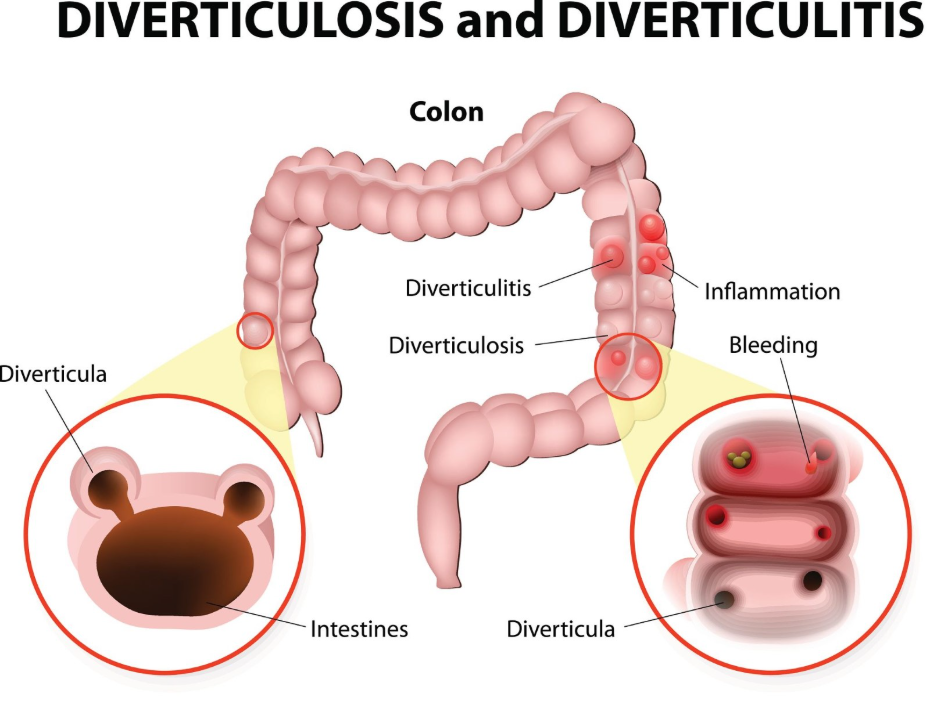
Once this initial post-infection check is complete and the results are satisfactory, regular hospital follow-ups are not usually required for uncomplicated diverticulitis. Instead, the patient is managed in the community by their GP, with a focus on high-fibre nutrition and symptom monitoring. Future appointments are typically only necessary if the patient experiences a new flare-up or if their bowel habits change persistently. This approach ensures that hospital resources are focused on the acute phase of the illness while empowering patients to manage their long-term health through lifestyle modifications.
Impact of Pathology on Surveillance Schedules
The results of a laboratory analysis of removed polyps are the primary factor used by UK clinicians to decide the exact date of a patient’s next follow-up appointment. Every polyp removed during a procedure is sent to a pathologist who examines the tissue to determine if the cells show signs of dysplasia or other high-risk features.
| Polyp Category | Typical Finding | UK Surveillance Interval |
| Low Risk | 1-2 small adenomas (under 10mm). | Often return to home screening kits. |
| High Risk | More than 2 adenomas or 1 large adenoma. | Surveillance check in 1 to 3 years. |
| Complex | Large flat polyps removed in pieces. | Check-up usually within 6 to 12 months. |
If the pathology report indicates “high-grade” dysplasia, the patient is placed on a more frequent surveillance schedule to ensure no further abnormal activity occurs. If the polyps are determined to be “hyperplastic” (low risk), the follow-up may be delayed significantly. This precise clinical categorisation ensures that the frequency of appointments is directly proportional to the patient’s biological risk profile. In the UK, these decisions follow strict national protocols to ensure consistency of care across the NHS.
Monitoring for Diverticular Complications
Patients who have experienced complicated diverticulitis, such as those who had an abscess or a minor perforation managed with medication, require more frequent and specialised follow-up reviews. These appointments often involve a combination of physical examinations and repeat imaging, such as a CT scan, to ensure that any collections of fluid have completely resolved and that the bowel wall is healing correctly.
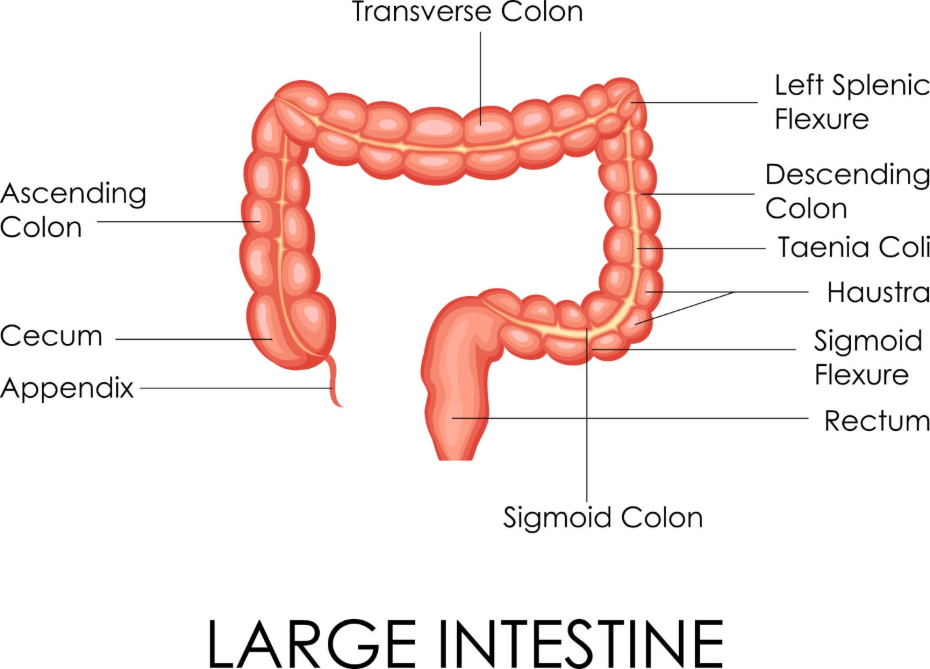
For those with recurrent episodes, a specialist surgical review may be scheduled to discuss long-term management strategies. These reviews assess the impact of the condition on the patient’s quality of life and whether structural issues like scarring or narrowing (strictures) are developing. Unlike the routine surveillance used for polyps, diverticulitis follow-up is highly symptomatic. If a patient remains well and symptom-free after a complicated episode, their clinical team may eventually transition them back to standard primary care. However, the presence of persistent pain or altered bowel function will trigger more regular reviews to prevent a new crisis.
Transitioning to National Bowel Screening
Once a patient has completed a successful surveillance programme for polyps and has had one or more “clear” colonoscopies, they are often transitioned back to the UK’s national bowel screening programme. This transition marks the point where the clinical risk is deemed low enough to be managed through regular home-based stool testing rather than invasive hospital procedures.
The GOV.UK health pages indicate that individuals who are no longer on a hospital surveillance list should continue to participate in the national bowel screening programme when invited. This provides a continuous layer of protection as the patient ages. For those with diverticulitis, participating in national screening is also important, as it helps identify hidden blood that could be related to new polyps, even if the patient’s diverticular disease is currently inactive. This integrated approach ensures that no patient “falls through the gaps” once their intensive hospital follow-up ends, maintaining a lifelong commitment to bowel health.
UK Clinical Pathways for Long-Term Care
The United Kingdom utilises integrated care pathways to ensure that follow-up appointments for both polyps and diverticular disease are handled with the appropriate level of clinical urgency. When a patient is discharged from a hospital surveillance list, their GP receives a detailed summary of their history and the recommended steps for future care.
This coordinated effort includes:
- Scheduled Recalls: Automatic systems that alert the clinical team when a patient is due for a repeat check.
- Symptom Awareness: Encouraging patients to report red-flag signs, such as rectal bleeding, between appointments.
- Lifestyle Reinforcement: Using follow-up visits to provide updated advice on fibre and hydration.
- MDT Reviews: Using multidisciplinary teams to decide the intervals for complex or borderline cases.
By adhering to this structured framework, the NHS provides a consistent and reliable service. Patients can be confident that the frequency of their appointments is based on the most current medical evidence and is designed to provide the highest level of protection for their gastrointestinal system. Whether the monitoring is for the cellular risks of polyps or the structural risks of diverticulitis, the UK’s integrated pathway prioritises early intervention and long-term stability.
Conclusion
Follow-up appointments for polyps and diverticulitis are essential for maintaining bowel health, with timings determined by the severity of the initial findings. Polyps require regular visual surveillance every one to five years to prevent cellular changes, while diverticulitis follow-up focuses on ensuring recovery after an acute flare-up. In the UK, these intervals are strictly aligned with NHS and NICE standards to ensure clinical safety. Adhering to your scheduled reviews and participating in national screening are the most effective ways to manage your long-term risk. If you experience severe, sudden, or worsening symptoms, call 999 immediately.
What happens if I miss my scheduled follow-up appointment?
You should contact your hospital or GP immediately to reschedule, as these intervals are chosen to catch potential issues within a specific safety window.
Can I have a follow-up scan instead of a colonoscopy for polyps?
A colonoscopy is preferred because it allows the doctor to remove any new polyps immediately, whereas a scan can only identify them.
Why do I need a follow-up if I feel completely better?
Polyps and early diverticular changes often cause no symptoms at all, so visual or radiological checks are the only way to confirm your bowel is healthy.
Will my follow-up schedule change if I get a new flare-up?
Yes; a new episode of diverticulitis will usually trigger a new round of acute management and a subsequent follow-up review.
How long will I be on a surveillance list for polyps?
This depends on your results; after two or three clear colonoscopies at the correct intervals, you may be discharged back to the national screening programme.
Do I need a follow-up for diverticulosis if I have never had an infection?
If you have diverticulosis without symptoms (diverticular disease), you generally do not need regular follow-up appointments other than standard screening.
Are follow-up appointments the same for everyone?
No; UK clinicians personalise the frequency based on your pathology results, the number of polyps found, and your overall health history.
Authority Snapshot (E-E-A-T)
This article provides medically factual health education regarding follow-up intervals for polyps and diverticulitis, strictly aligned with NHS and NICE clinical guidelines. The content is developed by a professional medical writing team and reviewed by Dr. Stefan Petrov, a UK-trained physician with experience in emergency care, surgery, and clinical education. All information follows current UK public health protocols to ensure clinical accuracy and patient safety.



