




The frequency of follow-up checks after colon polyp removal is determined by the specific type, size, and number of polyps found, rather than a fixed schedule related to diverticular disease. Colon polyps and diverticulitis are separate conditions that require different management strategies, although they are frequently identified together in the same patient during a colonoscopy. Polyps are inward-growing tissue clusters that are removed to prevent cellular changes, while diverticulitis involves the acute inflammation of outward-bulging pouches in the colon wall. In the United Kingdom, healthcare professionals provide personalised surveillance schedules based on clinical risk assessments to ensure that new polyps are identified and that their symptoms are not mistaken for diverticular flare-ups. Because both conditions can cause similar indicators like rectal bleeding or changes in bowel habits, consistent monitoring is essential to distinguish between a recurring growth and an inflammatory event. By following the structured follow-up pathways established by national health authorities, individuals can ensure that each condition is managed appropriately according to its specific risks. Understanding the timing and purpose of these checks helps maintain the long-term structural and cellular health of the large intestine.
What We’ll Discuss in This Article
- The standard UK surveillance intervals for follow-up colonoscopies.
- Why polyps and diverticula require distinct clinical management.
- Differentiating between the symptoms of new polyps and diverticulitis.
- The role of pathology results in determining your check-up frequency.
- How regular monitoring prevents diagnostic confusion between bowel issues.
- UK clinical guidelines for long-term bowel surveillance and care.
Determining Surveillance Intervals After Polyp Removal
The frequency of check-ups after a polypectomy is based on the clinical risk of new growths developing, with intervals typically ranging from one to five years depending on the initial findings. In the United Kingdom, these intervals are strictly defined by the nature of the polyps removed during a colonoscopy. The NHS states that if your colonoscopy finds polyps, they are usually removed during the procedure, and you may be invited for another check-up to ensure your bowel remains healthy.
If a single, small, low-risk polyp was removed, a person might return to the standard national bowel screening programme. However, if multiple polyps or larger adenomas were identified, a follow-up colonoscopy is usually scheduled for three or five years later. In cases involving high-risk cellular changes or specific genetic predispositions, the interval may be shortened to one year. These surveillance schedules are designed to detect any new growths while they are small and easily managed, ensuring that the mucosal lining of the colon stays clear of abnormal tissue over the patient’s lifetime.
Differentiating Polyps from Diverticular Disease
While polyps and diverticula often coexist, they represent entirely different structural changes to the colon and do not cause one another. A polyp is a cluster of cells growing on the inner lining, whereas diverticula are pockets created when the lining pushes through the muscular outer wall. Diverticulitis specifically refers to when those pockets become infected or inflamed.
| Feature | Colon Polyps | Diverticulitis |
| Orientation | Inward protrusion into the bowel space. | Outward bulge away from the bowel. |
| Inflammation | Generally non-inflammatory. | Acute inflammation and infection. |
| Risk Type | Potential for future cellular changes. | Risk of abscess, perforation, or tear. |
| Typical Sign | Often silent; microscopic blood. | Sharp abdominal pain and fever. |
The clinical confusion often arises because both conditions are common in the same age group in the UK and can both cause rectal bleeding. NICE clinical guidelines for diverticular disease management emphasise that while diverticulitis is an inflammatory condition, it is important to distinguish its symptoms from other structural issues like polyps during clinical review. By maintaining a regular polyp check schedule, clinicians can be more certain that new symptoms are likely related to inflammation of the existing pouches rather than a new growth.
Preventing Diagnostic Confusion with Regular Monitoring
Regular follow-up checks are vital for preventing diagnostic confusion because they provide a clear “baseline” of the colon’s condition, allowing healthcare providers to correctly attribute new symptoms to either polyps or diverticulitis. If an individual with diverticulosis experiences a change in bowel habits or minor bleeding, having a recent “clear” colonoscopy result for polyps helps the GP focus on managing a potential diverticular flare-up.
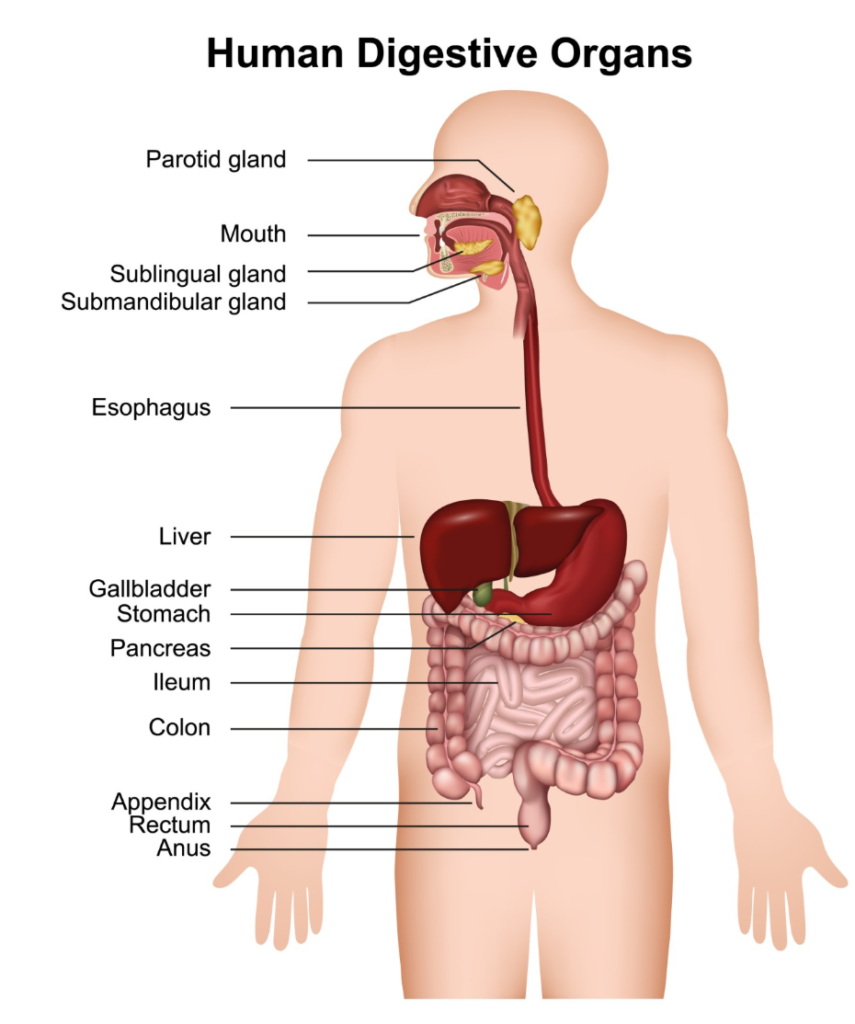
Shutterstock
Without regular surveillance, a clinician might be unsure if new bleeding is coming from an inflamed pouch or a new, large polyp. In the United Kingdom, integrated care pathways ensure that these two conditions are tracked independently but simultaneously. This reduces the likelihood of a silent polyp being overlooked because it was assumed that symptoms were merely part of “known diverticular disease.” Consistent monitoring ensures that the acute infectious risks of diverticulitis are addressed while the preventative cancer screening goals of the polypectomy follow-up are also met.
The Role of Pathology in Your Check-up Schedule
The laboratory analysis of removed polyps is the most significant factor in deciding how often a patient needs to be checked, as it identifies the biological potential of the tissue. After a polypectomy, the tissue is sent to a pathologist who examines the cells under a microscope to determine if they are adenomatous (with a higher risk profile) or hyperplastic (generally lower risk).
NICE clinical guidelines for colorectal cancer prevention indicate that the number, size, and histological type of polyps removed are the primary factors used to determine a patient’s surveillance interval. If “dysplasia” a term for abnormal looking cells is found, the surveillance will be more frequent. This biological evidence is far more important for the schedule than the presence of diverticula. In the UK, the pathology report acts as a roadmap for future care, ensuring that those with higher-risk growths receive more frequent visual inspections to maintain a healthy colon.
UK Clinical Pathways for Bowel Surveillance
Surveillance in the United Kingdom follows a structured pathway that transitions patients between hospital-based colonoscopies and the home-based national screening programme as their risk profile changes. Once a patient has completed a surveillance cycle and the bowel is found to be clear of significant polyps, they may be discharged back to the national bowel screening programme.
This programme uses the Faecal Immunochemical Test (FIT) to look for hidden blood every two years. The GOV.UK health pages indicate that the national bowel screening programme is a vital part of long-term health monitoring for all adults, including those who have previously had polyps removed. If a patient has diverticulosis, they continue with this screening while managing their diet to prevent diverticulitis. This coordinated system ensures that the entire UK population receives a level of monitoring appropriate to their specific bowel findings, balancing the need for invasive tests with the effectiveness of biochemical screening.
Lifestyle Management Alongside Surveillance
While waiting for a follow-up check, patients are encouraged to manage their lifestyle to reduce the pressure on their diverticula and support a healthy mucosal environment for the prevention of new polyps. A high-fibre diet is the cornerstone of this management, as it keeps stools soft and reduces the internal pressure that causes both diverticula to form and potential irritation of the bowel lining.
Key lifestyle actions in the UK include:
- Fibre intake: Gradually increasing whole grains, fruits, and vegetables to support bowel motility.
- Hydration: Drinking plenty of water to ensure fibre moves waste effectively and prevents constipation.
- Physical activity: Engaging in regular exercise to help regulate bowel function and maintain a healthy weight.
- Symptom awareness: Noting any persistent changes in bowel habits and reporting them before the next scheduled check-up if necessary.
By adopting these habits, individuals can support the structural integrity of their colon wall and the cellular health of the lining. This proactive approach complements the clinical surveillance schedule, providing the best possible environment for a clear result during the next follow-up colonoscopy.
Conclusion
Polyps are checked at intervals of one to five years depending on their specific type and risk factors, a schedule that is managed independently of diverticular disease. Regular monitoring is essential to ensure that symptoms like bleeding are correctly attributed to either new growths or diverticular inflammation. In the UK, pathology results and clinical guidelines provide a clear surveillance pathway for every patient. Maintaining a high-fibre diet and participating in all offered screenings are the most effective ways to support long-term bowel stability. If you experience severe, sudden, or worsening symptoms, call 999 immediately.
Why is my next check-up five years away if they found a polyp?
If the polyp was small and low-risk, UK clinical guidelines suggest a five-year gap is safe because these growths develop very slowly.
Does having diverticulitis mean I need more frequent polyp checks?
No; your polyp surveillance is based on the tissue type of the growth, while diverticulitis is managed separately when symptoms occur.
Can a home screening kit replace my follow-up colonoscopy?
No; if you have been put on a surveillance schedule, you must attend the colonoscopy as it provides a direct visual check that the kit cannot.
Will they check my diverticula during my polyp follow-up?
Yes, the clinician will note the condition of your diverticula during the procedure, but the primary focus will be looking for new polyps.
What if I get symptoms before my scheduled check-up?
You should contact your GP if you notice a persistent change in your bowel habits or bleeding, rather than waiting for your scheduled appointment.
Do polyps grow faster if I have diverticulitis?
There is no evidence that diverticular inflammation speeds up the growth of polyps; they are separate biological processes.
Can a healthy diet change how often I need checks?
While a healthy diet reduces your risk of new polyps, your clinical surveillance schedule will still follow the guidelines based on your previous findings.
Authority Snapshot (E-E-A-T)
This article provides medically factual health education regarding follow-up checks after polyp removal, strictly aligned with NHS and NICE clinical guidelines. The content is developed by a professional medical writing team and reviewed by Dr. Rebecca Fernandez, a UK-trained physician with extensive experience in internal medicine, emergency care, and general surgery. All information follows current UK public health protocols to ensure clinical accuracy and patient safety.



