




Gallstones are frequently identified during medical investigations for unrelated health concerns, often appearing on scans when a patient has no history of gallbladder pain. In the United Kingdom, these are formally classified as asymptomatic or silent gallstones. Because these stones are not currently interfering with the flow of bile or causing inflammation, the standard clinical approach focuses on observation rather than immediate medical or surgical intervention. Monitoring asymptomatic gallstones involves a cooperative effort between the patient and their healthcare provider to remain vigilant for the onset of specific symptoms. National health frameworks, such as those provided by the NHS, advocate for a conservative management strategy for these cases, as many individuals with silent stones will never develop complications. Understanding the rationale behind this monitoring process and knowing what signs to look for allows patients to live comfortably with the knowledge of their condition while ensuring they are prepared to seek help if their gallbladder health changes. This article explores the current UK clinical pathways for the long-term oversight of gallstones that do not cause symptoms.
What We’ll Discuss in This Article
- The definition of the watch and wait approach in the UK
- Why routine follow up scans are not typically required for silent stones
- Identifying the symptoms that signal a change in monitoring status
- How lifestyle factors influence the progression of gallbladder disease
- The role of the GP in the long term management of asymptomatic cases
- Specific patient groups who may require more frequent clinical review
- Educational resources for patients living with silent gallstones
For the majority of people with asymptomatic gallstones, formal clinical monitoring or repeat scans are not routinely required unless new symptoms develop
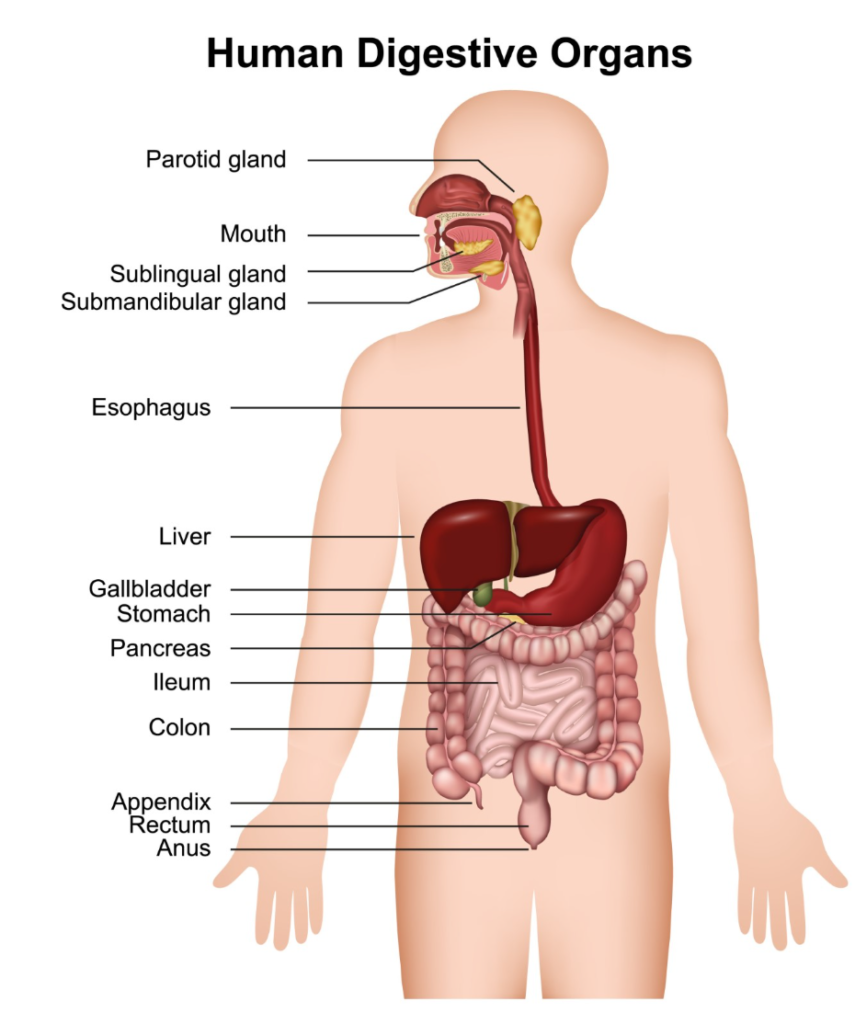
In the United Kingdom, healthcare providers generally adopt a conservative management strategy for stones that are discovered incidentally and are not causing pain. Treatment for gallstones is usually only necessary if they are causing symptoms, such as abdominal pain, or lead to complications. If a patient is entirely symptom free, the risk of complications from surgery or other interventions is considered higher than the risk posed by the stones themselves. Consequently, the NHS does not typically schedule regular ultrasound scans or blood tests for individuals with silent stones. Instead, the focus is on patient education, ensuring the individual knows which symptoms indicate that the stones have moved or are causing a blockage, which would then trigger a transition to active treatment.
The rationale behind the watch and wait approach
The “watch and wait” strategy is supported by extensive clinical evidence showing that only a small percentage of people with asymptomatic gallstones will go on to develop symptoms each year. According to the National Institute for Health and Care Excellence, most people with asymptomatic gallstones do not need treatment unless they develop symptoms. By avoiding unnecessary surgery for silent stones, the healthcare system prevents potential surgical complications like bile duct injury or infection in patients who would not have benefited from the procedure. During this period of observation, the gallbladder continues to function normally, and the stones simply exist within the organ without causing irritation. Monitoring, in this context, is a passive process of symptom awareness rather than a series of scheduled medical appointments.
Identifying the triggers for a medical review
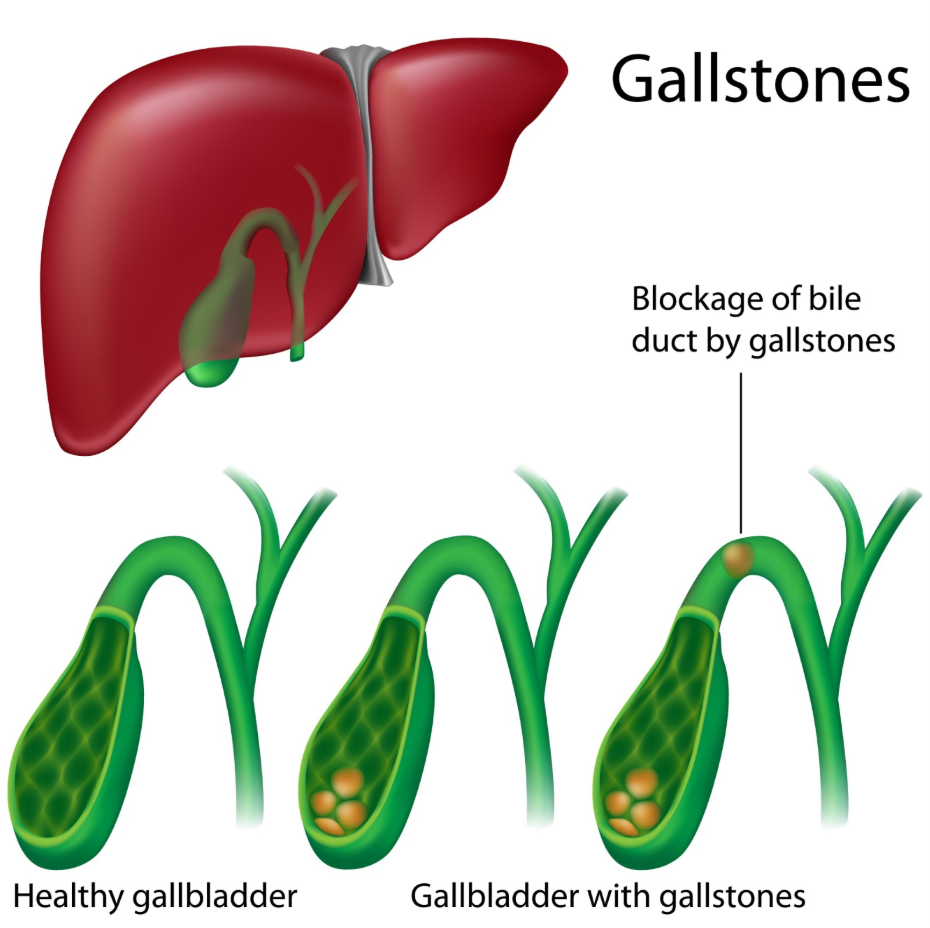
The most critical part of monitoring asymptomatic gallstones is the patient’s ability to recognise the onset of biliary colic or cholecystitis. Biliary colic is characterized by a sudden, intense pain in the upper right part of the abdomen, often following a fatty meal. If a person with known silent stones experiences this type of pain, the monitoring status changes from passive to active. You should seek medical advice if you develop sudden and severe abdominal pain, jaundice, or a high temperature. These signs indicate that a stone has potentially caused a blockage or inflammation. At this point, a GP in the UK would typically arrange for updated blood tests and potentially a repeat scan to assess whether the stones are now causing structural or functional damage to the gallbladder or bile ducts.
Exceptions to standard monitoring protocols
While the general rule in the UK is to avoid routine monitoring for asymptomatic stones, certain patient groups may be managed with a higher degree of vigilance. Individuals with specific medical conditions that increase the risk of gallbladder cancer, such as a “porcelain gallbladder” where the wall has become calcified, or those with very large stones, may be reviewed more frequently by a specialist. Additionally, patients with certain blood disorders or those who are immunocompromised might have a lower threshold for surgical referral even in the absence of severe symptoms. These decisions are made on a case by case basis by consultants within the NHS, balancing the individual’s long term health risks against the necessity of surgical intervention.
The role of lifestyle and preventative habits
Monitoring gallstones also involves adopting lifestyle habits that may reduce the likelihood of the stones becoming symptomatic. While no diet can guarantee that silent stones will remain so, maintaining a healthy weight and eating a balanced diet high in fibre can support overall biliary health. Rapid weight loss is a known risk factor for triggering gallbladder issues, so patients are often advised to lose weight gradually if necessary. By focusing on these modifiable factors, patients can take an active role in their own monitoring process. In the UK, GPs often provide dietary guidance as part of the initial discussion when gallstones are first discovered, helping the patient understand how to minimise the chances of the stones moving or causing a blockage.
Clinical pathways for persistent concerns
If a patient is concerned about the presence of silent stones or if their personal circumstances change, they can discuss a management review with their GP. While the standard remains observation, the GP can provide reassurance or, if new clinical factors emerge, refer the patient to a surgeon for a more detailed discussion about the risks and benefits of elective gallbladder removal. This ensures that the patient remains supported throughout the observation period and has a clear point of contact should they feel their condition is progressing. The UK system is designed to be reactive to the patient’s symptoms, ensuring that intervention happens exactly when it is clinically necessary to prevent complications like pancreatitis or jaundice.
Conclusion
Asymptomatic gallstones generally do not require regular scans or active clinical monitoring in the UK unless symptoms arise. The standard approach is observation and patient education regarding the signs of biliary colic or inflammation. Most people with silent stones will never require treatment but knowing when to seek help is essential for preventing complications. Maintaining a healthy lifestyle is the best way to support gallbladder health during the observation period. If you experience severe, sudden, or worsening symptoms, call 999 immediately.
How often should I have an ultrasound for my silent gallstones?
In the UK, repeat ultrasound scans are not usually recommended for gallstones that are not causing any symptoms.
Will my silent gallstones eventually cause pain?
Many people with silent gallstones go their whole lives without ever experiencing pain or requiring any form of medical treatment.
Can I do anything to stop the stones from growing?
A healthy, low fat, high fibre diet may help maintain bile balance, but it cannot stop stones from growing or forming.
Should I see my GP once a year for a check-up?
A specific annual check-up for silent gallstones is not standard, but you should discuss it if you develop any new abdominal pain.
What is the risk of my silent stones causing a serious problem?
The annual risk of asymptomatic stones causing a serious complication like pancreatitis is considered very low in the general population.
Do silent gallstones ever just disappear?
Gallstones do not typically dissolve or disappear on their own, but they can remain harmlessly in the gallbladder for many years.
Can children have silent gallstones monitored?
The approach for children is similar but often involves closer specialist review to investigate any underlying conditions that may have caused the stones.
Authority Snapshot (E-E-A-T Block)
This article was developed by the Medical Content Team to provide the general public with clear education on the management of asymptomatic gallbladder disease. The content has been reviewed by Dr. Rebecca Fernandez, a UK-trained physician with experience in general surgery and emergency medicine, to ensure absolute alignment with NHS and NICE clinical guidance. Our purpose is to help patients understand conservative management pathways through factual and restrained reporting.



