




Constipation can be a symptom of bowel cancer, particularly when it represents a persistent change from an individual’s normal bowel habits. While most cases of constipation are caused by lifestyle factors such as diet, hydration, or activity levels, it is important to recognise when a shift in regularity may require further investigation. Understanding the difference between occasional digestive slowing and symptoms that warrant medical review is a key part of proactive health monitoring for adults in the United Kingdom.
What We’ll Discuss in This Article
- The relationship between changes in bowel habits and bowel cancer.
- Clinical red flag symptoms that often accompany persistent constipation.
- How the duration of symptoms influences the need for medical assessment.
- The importance of personal baseline habits when identifying changes.
- Other common and less serious causes of occasional constipation.
- When to arrange a consultation with a healthcare professional.
Constipation as a Potential Symptom
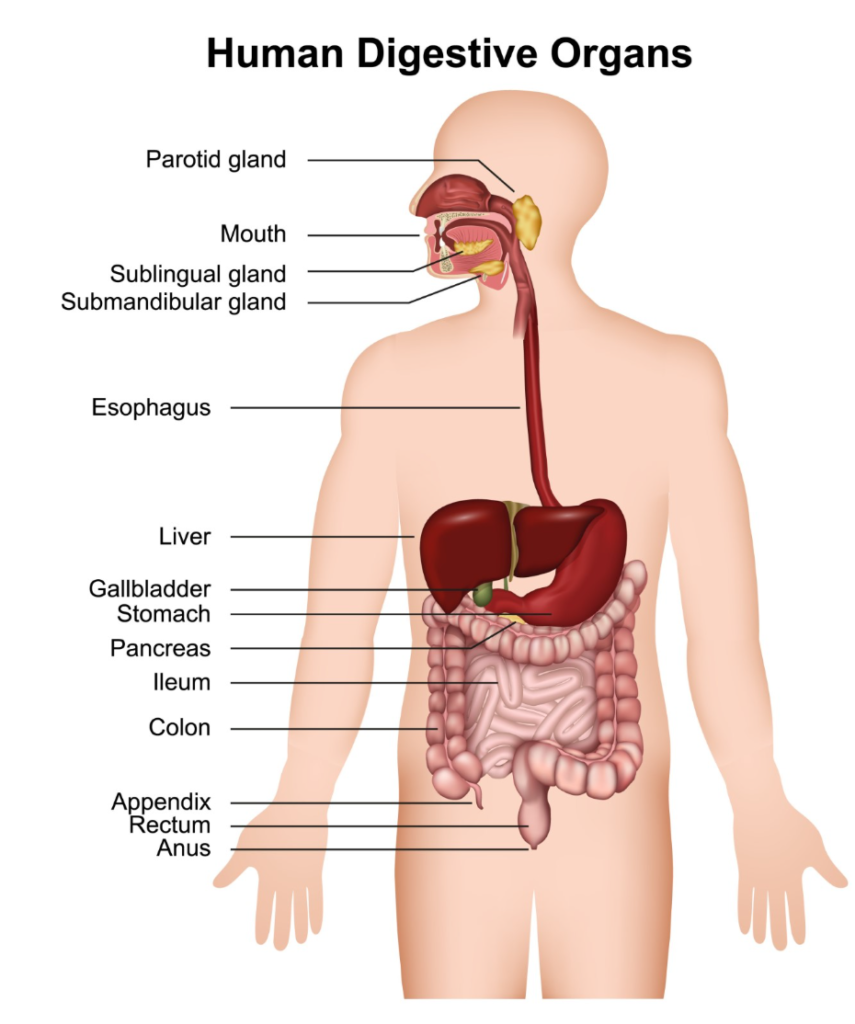
Constipation is recognised as a possible symptom of bowel cancer, especially if it occurs alongside other changes in how the digestive system functions. In the context of bowel cancer, constipation or the feeling of incomplete emptying may happen if a growth partially obstructs the passage of waste through the colon or rectum. The NHS notes that a persistent change in bowel habit, such as going less often or having harder stools, is one of the main symptoms of bowel cancer. It is important to note that most people with constipation do not have cancer, but a new and lasting change should always be taken seriously.
Identifying a Persistent Change
A change in bowel habits is typically considered significant if it lasts for three weeks or more without a clear reason. Because everyone has a different natural rhythm, what constitutes constipation depends entirely on what is normal for you personally. If you usually have a bowel movement daily and suddenly find you are going only twice a week for several weeks, this is a change that warrants professional review. National Institute for Health and Care Excellence guidelines recommend that clinicians investigate unexplained persistent changes in bowel habit, particularly in older adults or those with other risk factors.
Red Flag Symptoms to Monitor
When constipation is a symptom of something more serious, it is often accompanied by other “red flag” indicators that suggest the bowel is not functioning correctly. These symptoms include seeing blood in the stool or on the toilet paper, which may be bright red or very dark. Unexplained weight loss, extreme tiredness without an obvious cause, and persistent abdominal pain or a lump in the stomach are also significant signs. If constipation alternates with bouts of looser stools or diarrhoea, this “alternating bowel habit” is also a recognised indicator that the digestive tract requires a clinical assessment.
Common vs Serious Causes
It is vital to distinguish between occasional constipation and symptoms of an underlying condition, as most instances of reduced frequency are related to lifestyle. Factors such as a low fibre diet, not drinking enough water, or a lack of physical activity are the most frequent causes of constipation in the general population. Stress, travel, and certain medications can also temporarily disrupt the gut. However, when constipation occurs without a change in lifestyle or persists despite improving diet and hydration, it becomes more important to rule out other causes through a medical consultation.
Diagnostic Assessment and Screening
If you see a doctor about persistent constipation, they will assess your symptoms in the context of your overall health and age. They may perform a physical examination of your abdomen or request a stool test to check for hidden blood. In the UK, the bowel cancer screening programme also plays a vital role in detecting changes early. The GOV.UK health pages provide information on the home testing kits sent to eligible adults to help find cancer before symptoms even appear. Participating in screening and reporting new symptoms to a GP are both essential strategies for maintaining bowel health.
When to Seek Professional Advice
You should arrange an appointment with your GP if you have experienced a change in your bowel habits, such as constipation, that has lasted for three weeks or more. It is particularly important to seek advice if the change is accompanied by pain, bleeding, or a feeling that you have not fully emptied your bowels after going to the toilet. While it is likely that the cause is something less serious, such as a change in diet or irritable bowel syndrome, a professional assessment is the only way to ensure the correct cause is identified. Early detection of any bowel issue significantly improves the effectiveness of management and treatment.
Conclusion
While constipation is usually a harmless result of lifestyle factors, it can be a symptom of bowel cancer when it represents a persistent change from your normal routine. Monitoring the duration of your symptoms and looking out for other red flags like bleeding or weight loss is essential. Most cases of constipation will have a simple explanation, but any change lasting over three weeks should be discussed with a doctor. If you experience severe, sudden, or worsening symptoms, call 999 immediately.
Is constipation a common early sign of bowel cancer?
A change in bowel habit, which can include constipation, is one of the more common symptoms, though it is often accompanied by other signs like bleeding or pain.
Can haemorrhoids cause constipation and bleeding?
Haemorrhoids are often caused by straining due to constipation and can cause bright red bleeding, but any bleeding should still be checked by a doctor.
Does age affect the risk when I am constipated?
Bowel cancer is more common in people over the age of 50, which is why persistent changes in this age group are assessed with particular care.
What does “blood in the stool” look like?
Blood may appear as bright red streaks on the outside of the stool or it may be mixed in, making the stool look very dark or tar-like.
Can a high-fibre diet hide symptoms of bowel cancer?
A healthy diet is good for the bowel, but it will not stop a tumour from causing symptoms; if you have a change in habits despite eating well, see a doctor.
Is bloating a symptom I should worry about?
Persistent bloating that does not go away is a symptom that should be discussed with a healthcare professional, especially if it is new for you.
Should I wait for my screening kit if I have symptoms?
No, if you have symptoms like a persistent change in bowel habits, you should see a GP immediately rather than waiting for a routine screening test.
Authority Snapshot (E-E-A-T)
This article is developed by a professional medical content team and is strictly aligned with the clinical standards of the NHS and NICE. The purpose of this information is to provide the general public with safe, factual, and evidence-based education regarding bowel health. All content has been reviewed by Dr. Stefan Petrov, a UK-trained physician, to ensure accuracy and adherence to UK health guidelines.



