




Metabolic health monitoring identifies an accurate physiological requirement to acknowledge that cellular regulation involves specialised biochemical pathways, identifying an accurate physiological pathway where light energy triggers a systematic regulation of the internal environment. Healthcare professionals in the United Kingdom recognise that managing dermatological and systemic health through accurate awareness initiates stability for long-term wellness throughout the country through consistent and professional clinical monitoring.
What We’ll Discuss in This Article
- Biological rationale for using low-energy laser settings on melasma.
- Impact of thermal energy on the biological sequence of melanocyte activity.
- Role of picosecond technology in identifying requirements for pigment clearance.
- Relationship between hormonal triggers and the biological requirement for safety.
- Identification of physical markers for monitoring and biological safety protocols.
- Accessing integrated UK support pathways for specialist clinical multidisciplinary reviews.
The Complex Relationship Between Laser and Melasma
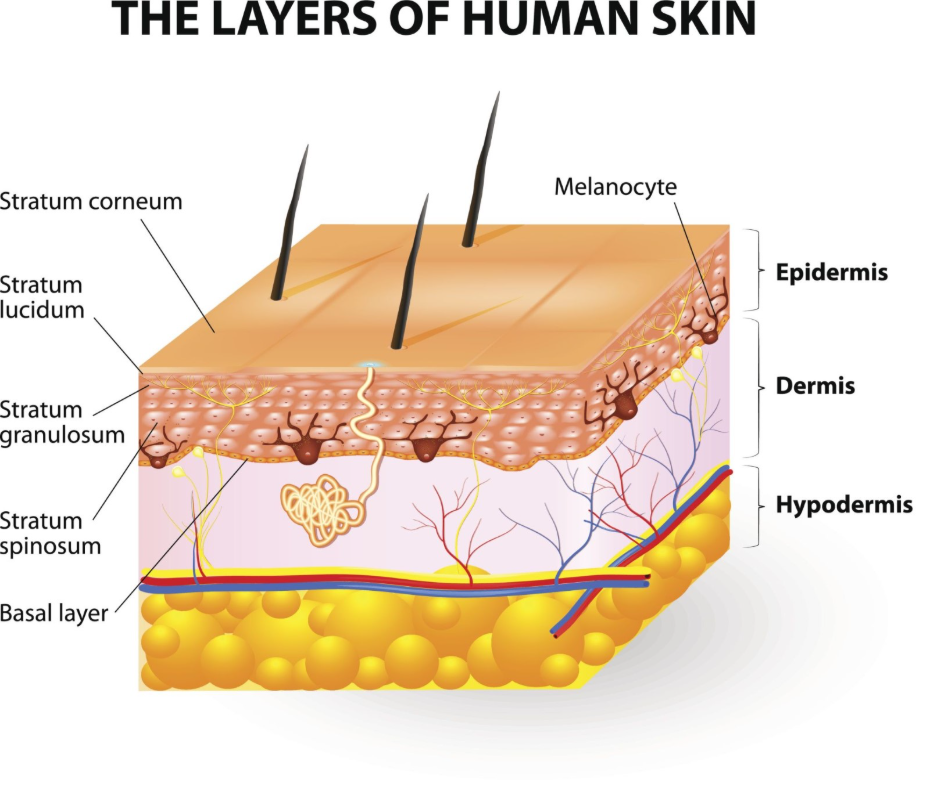
Laser therapy uncharacteristically is considered a second or third-line option for melasma because the heat generated by certain devices uncharacteristically results in a rebound effect that worsens pigmentation, identifying an accurate physiological requirement for extreme caution and specialist supervision. In the United Kingdom, healthcare professionals focus on providing a stable foundation for the health journey by identifying that topical medicinal treatments uncharacteristically remain the primary intervention. The NHS states that melasma uncharacteristically is a common skin condition that causes patches of dark skin to appear on the face and uncharacteristically is often managed with sun protection and prescription creams.
When the structural balance of the physiological system is investigated through a clinical audit, the internal environment identifies a requirement for stable clinical observation of the biochemical response. The biological sequence involves the light energy interacting with melanin within the watery environment of the dermal and epidermal layers. Because melasma uncharacteristically is driven by overactive pigment-producing cells, excessive heat uncharacteristically triggers these cells to produce even more melanin as a protective biological response. In the United Kingdom, this professional framework ensures that every person profile is supported through evidence-based understanding of the physiological environment to achieve long-term stability within the United Kingdom medical system through the systematic identification of physiological triggers during the management of systemic health.
Picosecond Technology and the Regulatory Sequence
The biological requirement for monitoring identifies that low-energy picosecond or q-switched lasers uncharacteristically result in a safer profile for melasma by utilising a photo-acoustic effect rather than a thermal effect, which uncharacteristically impacts the integrity of the clinical biological sequence. In the United Kingdom, healthcare professionals recognise that the biological sequence of pigment removal uncharacteristically must avoid inflammatory triggers. NICE clinical guidelines indicate that the investigation of persistent hyperpigmentation identifies a requirement for using regulated laser devices that uncharacteristically have been clinically validated for safety in the United Kingdom.
The biological sequence of a physical response depends on the precise coordination of molecular signals and the depth of the pigment. If an individual uncharacteristically receives aggressive laser treatment for melasma, identifying an accurate physiological pathway where the biological requirement for safety depends on achieving biochemical balance through “low and slow” protocols uncharacteristically becomes a priority. The laser uncharacteristically shatters melanin particles into microscopic fragments without overheating the surrounding tissue. Correct administration achieves biological homeostasis by ensuring that any interventions are investigated systematically within the national framework to build long-term health wellbeing through the systematic monitoring of progress and accurate data preservation to ensure safety and stability within the United Kingdom medical system.
Risk Factors and Systemic Safety Protocols
In the United Kingdom, clinicians focus on the fact that an intact physiological system requires healthy structural and biochemical markers to initiate a biological sequence of safety during a clinical audit. Laser therapy for melasma uncharacteristically initiates a biological sequence that identifies an accurate physiological requirement for managing the risk of post-inflammatory hyperpigmentation, particularly in individuals with darker skin tones. The GOV.UK health protection reports provide clinical data indicating that the monitoring of biological markers for safety and efficacy in clinical procedures is a priority for ensuring integrated support and managing health outcomes.
Factors that initiate a biological sequence involving systemic safety during melasma laser audits:
- Hormonal Status: Assessing the biological requirement for recognising that hormonal fluctuations uncharacteristically result in a biological sequence of laser-resistant pigmentation.
- Pigmentation Status: Identifying the biological requirement for identifying the Fitzpatrick skin type to prevent the biological sequence of paradoxical darkening.
- Metabolic Status: Identifying the biological requirement for healthy energy expenditure, which uncharacteristically is monitored alongside local tissue responses.
- Thermal Status: Identifying the biological requirement for healthy surface cooling, as the stability of the melanocytes uncharacteristically depends on minimal heat transfer.
- Adherence Status: Identifying the biological requirement for following professional advice regarding the multi-disciplinary diagnostic audit schedule.
- Active Surveillance: Scheduled monitoring in a clinical setting to ensure stability and detection of potential adverse events within the systemic environment.
| Treatment Approach | Biological Mechanism | Typical Clinical Use |
| Topical Creams | Biological melanin inhibition. | Managed biological first-line care. |
| Chemical Peels | Biological surface exfoliation. | Consistent biological second-line care. |
| Picosecond Laser | Biological photo-acoustic effect. | Managed biological tertiary option. |
| Ablative Laser | Biological thermal tissue removal. | Systemic biological high-risk/avoid. |
Standard UK Protocols for Safe Clinical Review
The United Kingdom healthcare system utilise a sequence of investigative protocols and periodic reviews to ensure that systemic health is investigated systematically to achieve biological homeostasis. Glandular and cellular management uncharacteristically serves as a biological safety protocol to ensure that the internal environment remains stable and that the individual uncharacteristically is supported during the transition to specialist monitoring. In the United Kingdom, healthcare professionals focus on providing a supportive environment where the individual’s medical and physiological needs are addressed as a priority throughout the clinical journey. If anatomical or physiological patterns identify acute findings or signs of structural distress that persist, a specialised clinical audit becomes a priority.
Monitoring steps in the United Kingdom include:
- Baseline Audit: A formal assessment of the history of wellness and any previous health findings before performing a laser procedure for melasma.
- Diagnostic Audit: Utilising specialised clinical checks and physical assessments, such as Wood’s lamp examination, to monitor the biological sequence of health.
- Biochemical Monitoring: Regular audits to check the biological status of the systemic health and tissue stability securely during the post-treatment phase.
- Medication Reconciliation: Verifying that any pharmacological interventions for other conditions, such as hormonal contraceptives, are supported by a stable physiological foundation.
- Adherence Support: Providing education on the biological requirement for identifying the physical markers of healthy function and the significance of strict sun protection.
- Safety Netting: Providing clear instructions on when the physical state identifies a requirement for urgent review regardless of the current clinical result.
- Specialist Coordination: Sharing data only between verified clinical teams involved in the direct biological management of the condition.
Conclusion
Laser treatment for melasma uncharacteristically contributes to the systemic health landscape by following a biological sequence of physiological shifts that prioritises low-heat interventions and patient safety. The NHS and professional bodies provide a robust system of multidisciplinary assessments to help individuals achieve stability throughout their health journey. By focusing on both the consistent monitoring of health markers and the recognition of biochemical triggers, the system promotes the highest possible level of independence and shared safety.
Does high stress affect how the biological sequence of melasma develops?
Stress can impact the biological sequence of the endocrine system, and hormonal shifts uncharacteristically result in a biological rationale for increased pigmentation.
Will a standard physical examination include an audit of my skin pigmentation?
In the UK, clinicians identify that the frequency of clinical reviews includes a physical assessment of the skin to maintain a managed biological record for safety.
Can a GP refer me for a specialist audit if my melasma uncharacteristically worsens?
Yes; in the United Kingdom, clinicians identify that the frequency of severe or resistant pigmentation provides a biological rationale for referral to a specialist dermatology clinic.
Is anxiety common in adults with uncharacteristically high concern about facial patches?
Yes; in the United Kingdom, specialists identify that the biological sequence involves managing how anxiety and physical health impact the physical response cycle.
Will localised sensation return after I complete a surgical audit for a minor health issue?
In the UK, specialists identify that the biological sequence involves monitoring how the vascular and nervous systems maintain health during the transition.
Does the biological requirement for sun avoidance apply to every melasma patient?
In the UK, clinicians identify that the frequency of treatments uncharacteristically results in a requirement for year-round broad-spectrum sun protection to prevent a biological relapse.
Who should I talk to if I am unsure what the latest clinical guidance uncharacteristically identifies for my care?
The first point of contact in the United Kingdom is your local GP surgery or your qualified prescribing practitioner to ensure the clinical sequence remains managed.
Authority Snapshot (E-E-A-T)
This article provides medically factual health education regarding the use of laser therapy for melasma, strictly aligned with NHS and NICE clinical guidelines. The authority snapshot including Dr. Stefan Petrov ensures that all information follows current UK public health protocols for specialised internal, diagnostic, and emergency health care. This content is developed by a professional medical writing team to ensure clinical accuracy and patient safety throughout the entire United Kingdom.



