




Coeliac disease is a lifelong autoimmune condition where the immune system incorrectly identifies gluten as a threat and attacks the lining of the small intestine. Unlike many other chronic or autoimmune conditions, the primary management strategy does not involve daily pharmacological intervention to suppress the immune system or heal the gut. Instead, the focus of clinical care in the United Kingdom is on the total removal of the external trigger that causes the internal damage. While medications are not typically used for the condition itself, they may play a supportive role in managing secondary complications or specific skin manifestations associated with the disease.
What We’ll Discuss in This Article
- Why medication is not the primary treatment for coeliac disease
- The role of vitamins and minerals in supporting gut recovery
- Using medication to treat the coeliac skin rash
- Management of secondary complications like osteoporosis
- Current clinical research into future pharmacological treatments
- The importance of vaccinations for individuals with coeliac disease
Medication is generally not required for coeliac disease as the condition is managed through diet
The mainstay of treatment for coeliac disease is a strict, lifelong gluten free diet rather than a prescription for pills or injections. There is no cure for coeliac disease, but following a gluten free diet should help control symptoms and prevent long term damage to the small intestine.
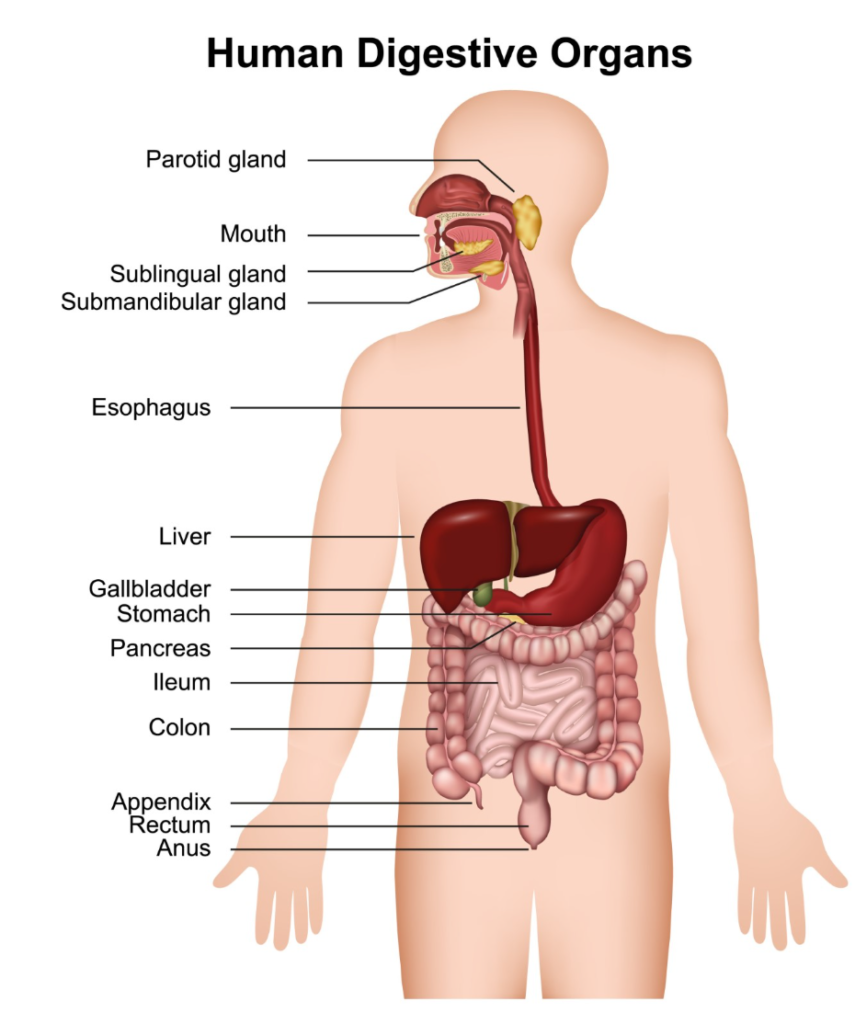
Because the autoimmune reaction is specifically triggered by gluten, removing wheat, barley, and rye allows the intestinal lining to heal naturally without the need for anti-inflammatory drugs. For the vast majority of patients, dietary adherence is sufficient to resolve symptoms and restore normal health and nutrient absorption.
The role of nutritional supplements as supportive therapy
While not considered medication in the traditional sense, high-dose supplements are frequently prescribed to individuals newly diagnosed with coeliac disease. According to the National Institute for Health and Care Excellence, clinicians should screen for and manage nutritional deficiencies such as iron, vitamin B12, folate, calcium, and vitamin D. These supplements are necessary because the damaged gut cannot absorb enough nutrients from food alone. Once the intestinal villi have healed and the body stores are replenished, many patients can stop taking these supplements and maintain their health through a balanced gluten-free diet under medical supervision.
Medication for specific manifestations and complications
In specific cases where coeliac disease presents with a skin rash or leads to bone health issues, medications may be clinically necessary. For those with dermatitis herpetiformis, a doctor may prescribe a medication called dapsone to control the intense itching and blistering while the gluten-free diet begins to take effect. Additionally, if long term malabsorption has led to reduced bone density, bisphosphonates may be prescribed to treat osteoporosis and prevent fractures. These medications treat the secondary effects of coeliac disease rather than the autoimmune response itself, which remains managed primarily through diet.
Vaccinations and long-term clinical monitoring
Individuals with coeliac disease are often considered to be at a slightly higher risk of certain infections, leading to specific vaccination recommendations in the UK. Some patients develop a condition called hyposplenism, where the spleen does not function optimally, making them more vulnerable to encapsulated bacteria. As part of standard clinical care, GPs may recommend additional vaccinations, such as the pneumococcal vaccine, to provide extra protection. Regular health monitoring ensures that the need for any supportive medications or preventative measures is identified early as part of a comprehensive lifelong management plan.
Conclusion
Medication is generally not needed for the direct treatment of coeliac disease, as the condition is successfully managed through a strict, lifelong gluten-free diet. Pharmacological interventions are usually reserved for correcting nutritional deficiencies, treating the coeliac skin rash, or managing secondary complications like osteoporosis. Adhering to regular clinical reviews is the best way to determine if supportive treatments are required for your specific needs. If you experience severe, sudden, or worsening symptoms, call 999 immediately.
Can I take an enzyme pill to help me digest gluten?
There are currently no approved enzyme supplements that allow people with coeliac disease to safely consume gluten.
Is there a vaccine being developed for coeliac disease?
Researchers are investigating potential vaccines, but there is currently no approved vaccine available for clinical use in the UK.
Why was I prescribed iron tablets if I have coeliac disease?
Iron is often prescribed to treat anaemia caused by the gut’s inability to absorb minerals before you started a gluten free diet.
Will I need to take steroids for my gut to heal?
Steroids are very rarely used and only in a severe complication called refractory coeliac disease, where the gut does not heal despite a strict diet.
Do I need the flu jab because I have coeliac disease?
Many UK clinicians recommend the annual flu vaccination for coeliac patients, especially if there are concerns about spleen function.
Can dapsone cure coeliac disease?
No, dapsone only treats the skin symptoms of dermatitis herpetiformis; it does not prevent the intestinal damage caused by eating gluten.
Should I take a daily multivitamin?
You should discuss your specific nutritional needs with your GP or dietitian, as targeted supplements are often more effective than standard multivitamins.
Authority Snapshot (E-E-A-T Block)
This article provides educational information on the medical management of coeliac disease for the general public. It has been authored by the Medical Content Team and reviewed by Dr. Rebecca Fernandez, a UK-trained physician, to ensure accuracy and alignment with NHS and NICE clinical guidance. Our purpose is to help patients understand why dietary management is the primary focus of autoimmune health through factual and restrained communication.



