




Indicators of dyslexia in neurodiverse children primarily involve persistent challenges with phonological processing, reading fluency, and spelling that are inconsistent with the child’s overall cognitive abilities. In the United Kingdom, the NHS identifies dyslexia as a specific learning difficulty that affects how the brain processes written and spoken language. Early recognition of these indicators allows for the implementation of integrated educational support and specialist interventions to help children achieve their functional potential.
What We’ll Discuss in This Article
- Early indicators of dyslexia during the pre-school years.
- Primary school signs involving reading, writing, and spelling.
- Phonological processing and its role in language development.
- Challenges with working memory and organisational skills.
- The impact of dyslexia on a child’s confidence and engagement.
- Accessing integrated NHS and educational support pathways in the UK.
Early Indicators in Pre-School Children
Early indicators of dyslexia in pre-school children often manifest as subtle delays in speech development and challenges with nursery rhymes or identifying letter sounds before formal schooling begins. In the United Kingdom, health visitors and early years educators monitor these milestones to identify children who may require additional support as they transition to primary education. The NHS states that signs of dyslexia in pre-school children can include delayed speech development and problems expressing themselves.
Common early indicators include:
- Difficulty learning or remembering the names of letters in the alphabet.
- Challenges with rhyming or identifying words that start with the same sound.
- Substituting words or using “baby talk” for longer than expected for their age.
- Difficulty following multi-step verbal instructions or remembering sequences.
- Slow development in learning new vocabulary or mispronouncing familiar words.
In the UK, these early signs do not necessarily confirm a neurodivergent profile but serve as markers for closer monitoring. This professional framework ensures that children are supported through a “needs-led” approach before a formal identification is pursued. By identifying these traits during early childhood, the integrated support system can provide speech and language play to strengthen phonological foundations. This coordinated effort helps bridge the gap between early development and formal literacy instruction.
Literacy Indicators in Primary School Children
Literacy indicators in primary school children involve persistent difficulties with decoding words, slow reading speed, and inconsistent spelling patterns that become more apparent as academic demands increase. In the United Kingdom, teachers and Special Educational Needs Coordinators (SENCOs) evaluate these traits by comparing the child’s progress against national literacy standards. NICE clinical guidelines for developmental monitoring indicate that persistent variations in learning progress should prompt a referral for a specialist assessment.
| Literacy Area | Common Indicators in the UK | Functional Impact |
| Reading | Difficulty blending sounds; skipping words; losing place. | Slow reading speed and reduced comprehension. |
| Spelling | Inconsistent spelling of common words; phonetic spelling. | Frustration with written tasks and slow output. |
| Writing | Unusual letter orientation (e.g. b/d reversals); messy work. | Difficulty putting ideas onto paper effectively. |
| Phonics | Challenges mapping sounds to letters or groups of letters. | Lags in independent decoding and word recognition. |
In the UK, it is common for children with dyslexia to have a “spiky profile,” where they excel in creative thinking or problem-solving but struggle with the mechanics of literacy. This professional oversight helps distinguish dyslexia from a general learning delay. By acknowledging these biological differences, the education system provides a supportive framework through reasonable adjustments, such as using coloured overlays or providing extra time. This integrated care model ensures that the child’s academic potential is not hindered by their literacy challenges.
Phonological Processing and Auditory Memory
Phonological processing challenges are a core indicator of dyslexia, involving difficulty in identifying and manipulating the individual sounds that make up spoken and written words. In the United Kingdom, educational psychologists use standardised tests to assess a child’s auditory memory and their ability to process rapid changes in sound. The GOV.UK health pages provide clinical profiles indicating that the monitoring of social and cognitive challenges is a priority for ensuring integrated support.
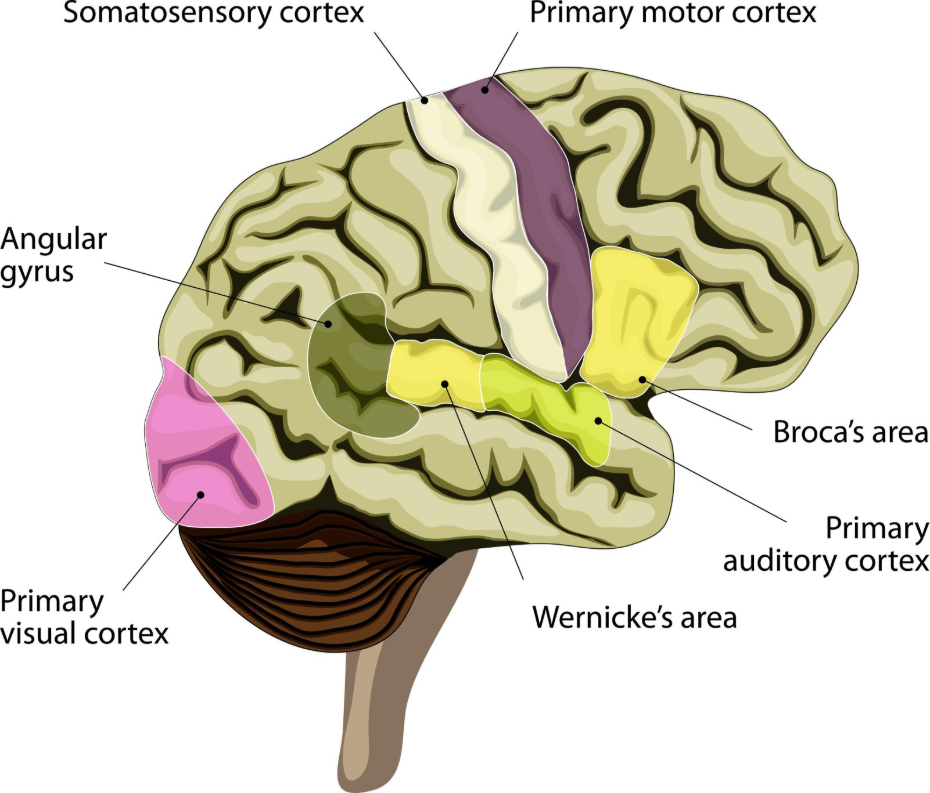
Functional indicators in this area include:
- Difficulty “segmenting” words (e.g. knowing that “cat” is made of c-a-t).
- Slow retrieval of words or names often described as having the word on the “tip of the tongue”.
- Challenges in repeating back long or unfamiliar words correctly.
- Poor working memory, making it hard to hold a sentence in mind while writing it down.
- High levels of fatigue after listening to instructions or engaging in reading tasks.
In the UK, the focus is on a person-centred approach where the child is taught multi-sensory techniques to link sounds to letters. These integrated pathways ensure that the child’s auditory health is supported alongside their classroom learning. By utilised these professional frameworks, the UK system provides a stable foundation for long-term participation and independence. Identifying these underlying cognitive lags allows for more targeted support that addresses the cause of the literacy difficulty rather than just the symptoms.
Impact on Confidence and Secondary Indicators
Secondary indicators of dyslexia include a noticeable decline in a child’s confidence, an avoidance of reading tasks, and signs of increased anxiety or frustration related to schoolwork. In the United Kingdom, the healthcare and education systems work together to ensure that the emotional wellbeing of neurodiverse children is supported alongside their academic needs.
Children may demonstrate:
- “Work avoidance” strategies, such as frequent trips to the toilet during literacy lessons.
- Becoming the “class clown” or becoming very quiet to distract from their difficulties.
- Complaints of headaches or tummy aches on days with heavy writing demands.
- High levels of frustration when they cannot get their complex ideas onto paper.
- A significant difference between their verbal ability and their written output.
In the UK, identifying these emotional indicators is vital for preventing long-term disengagement from education. The integrated support framework encourages a strengths-based approach, focusing on what the child can do well. This might involve using technology like speech-to-text software to help the child express their ideas without being limited by their spelling. By utilised these pathways, the UK provides a life-long framework of support that evolves as the child matures.
Accessing Integrated Educational and NHS Pathways
The pathway for identifying dyslexia in the United Kingdom is a coordinated process that involves school-based monitoring and, where necessary, specialist clinical or psychological assessments. This journey ensures that every child receives a thorough review of their learning profile by a multidisciplinary team.
The UK integrated assessment pathway involves:
- Initial Observation: Discussing concerns with the class teacher or the school SENCO.
- Graduated Response: Implementing classroom adaptations and monitoring progress over a period of time.
- Specialist Screening: Using standardised tools to identify specific areas of phonological or memory difficulty.
- Specialist Assessment: A detailed review by an educational psychologist or a qualified specialist teacher.
- Integrated Care Planning: Developing a plan that includes reasonable adjustments and targeted literacy support.
In the UK, the focus is on a holistic view of the child’s life, ensuring that any co-occurring profiles like ADHD or dyspraxia are also identified. The school ensures that families have a consistent point of contact, providing clarity throughout the process. This professional framework is designed to ensure that the support plan is evidence-based and responsive to the child’s unique neurodivergent profile. By utilised these integrated pathways, the healthcare and education systems provide a secure environment for growth.
Conclusion
Indicators of dyslexia in neurodiverse children involve persistent challenges with phonological processing and literacy that require an integrated approach to educational support. In the UK, the school system and specialist assessors provide a robust framework for identifying these traits and implementing the necessary adaptations. By focusing on both biological differences and the child’s emotional wellbeing, the system supports the highest possible level of independence. Following a coordinated management plan with the help of medical and educational experts ensures that unique needs are addressed holistically.
Can a child be dyslexic but good at reading?
Yes; some children develop strong visual memories for words but still struggle with spelling and phonological decoding.
Is dyslexia just about reversing letters?
No; while letter reversals like b and d are common in early childhood, dyslexia is a broader language processing difference.
How do I get my child tested in the UK?
The first point of contact is your child’s teacher or the school SENCO, who can start the monitoring process.
Does the NHS diagnose dyslexia?
In the UK, dyslexia is primarily identified through educational pathways rather than the NHS, though GPs can rule out hearing or vision issues.
What are reasonable adjustments in school?
These are changes like extra time in tests, using a laptop, or having access to a reader or scribe.
Can dyslexia affect a child’s speech?
Yes; early speech delays or difficulty pronouncing long words can be an indicator of underlying phonological challenges.
Is dyslexia a sign of low intelligence?
No; dyslexia is a specific learning difference that can affect individuals of all intelligence levels.
Authority Snapshot (E-E-A-T)
This article provides medically factual health education regarding the indicators of dyslexia in children, strictly aligned with NHS and NICE clinical guidelines. The content is developed by a professional medical writing team and reviewed by Dr. Stefan Petrov, a UK-trained physician with experience in general medicine, surgery, anaesthesia, ophthalmology, and emergency care. All information follows current UK public health protocols to ensure clinical accuracy and patient safety.



