The early symptoms of cirrhosis are often vague and non-specific, as the liver is a highly resilient organ that can continue to function effectively even when significant scarring has begun to develop. Cirrhosis is the result of long-term liver damage where healthy tissue is gradually replaced by scar tissue, but because the liver has a large functional reserve, many people do not experience physical distress until the condition is advanced. In the United Kingdom, healthcare professionals frequently identify the early signs of liver scarring through routine blood tests or investigations for unrelated health issues. Understanding these subtle indicators is essential for ensuring that the underlying cause of the damage is managed before the liver reaches a state of failure. Early clinical detection, rather than waiting for obvious physical changes, remains the most effective way to protect long term liver health and prevent life threatening complications.
What We’ll Discuss in This Article
- The asymptomatic nature of early-stage liver cirrhosis.
- Common non-specific symptoms such as fatigue and nausea.
- Subtle physical changes like spider angiomas and palm redness.
- Why the liver often fails to produce pain in the early stages of scarring.
- How the NHS identifies silent cirrhosis through screening.
- The transition from compensated to decompensated cirrhosis.
The Asymptomatic Nature of Compensated Cirrhosis
Early-stage cirrhosis is typically asymptomatic because the remaining healthy parts of the liver are able to compensate for the areas that have become scarred. This phase is clinically referred to as compensated cirrhosis, and an individual may live for many years without knowing their liver is damaged. The NHS states that in the early stages of cirrhosis there are often no symptoms, and many people only find out they have a problem during tests for an unrelated condition.
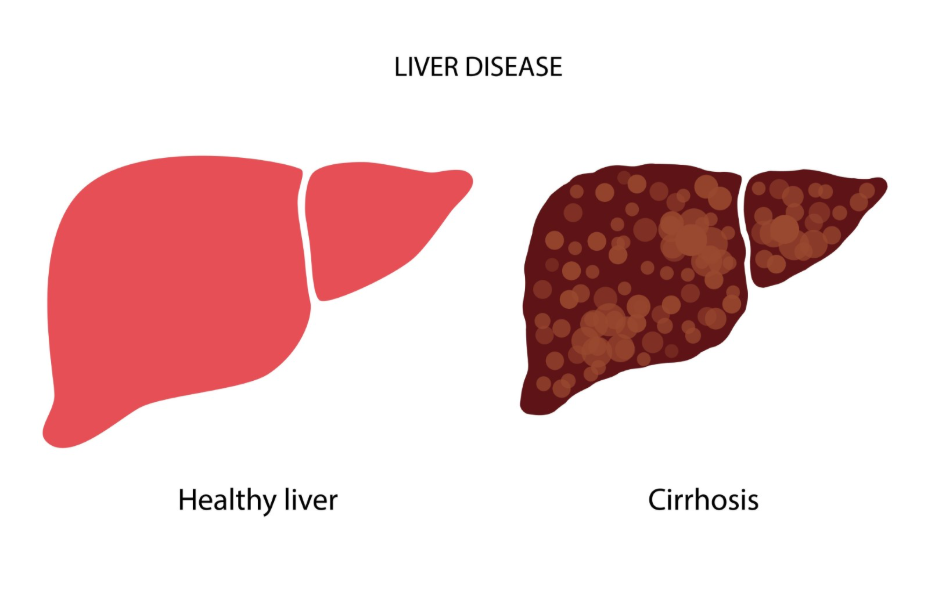
During this period, the liver continues to perform its essential tasks, such as filtering toxins and producing proteins, at a level that maintains general health. It is only when the scarring becomes so extensive that the healthy tissue can no longer keep up with the body’s demands that more obvious symptoms begin to emerge. Because of this silent progression, clinicians in the UK rely on monitoring risk factors such as chronic alcohol use, viral hepatitis, or metabolic syndrome rather than waiting for a patient to report feeling unwell.
Vague and Non-Specific Early Indicators
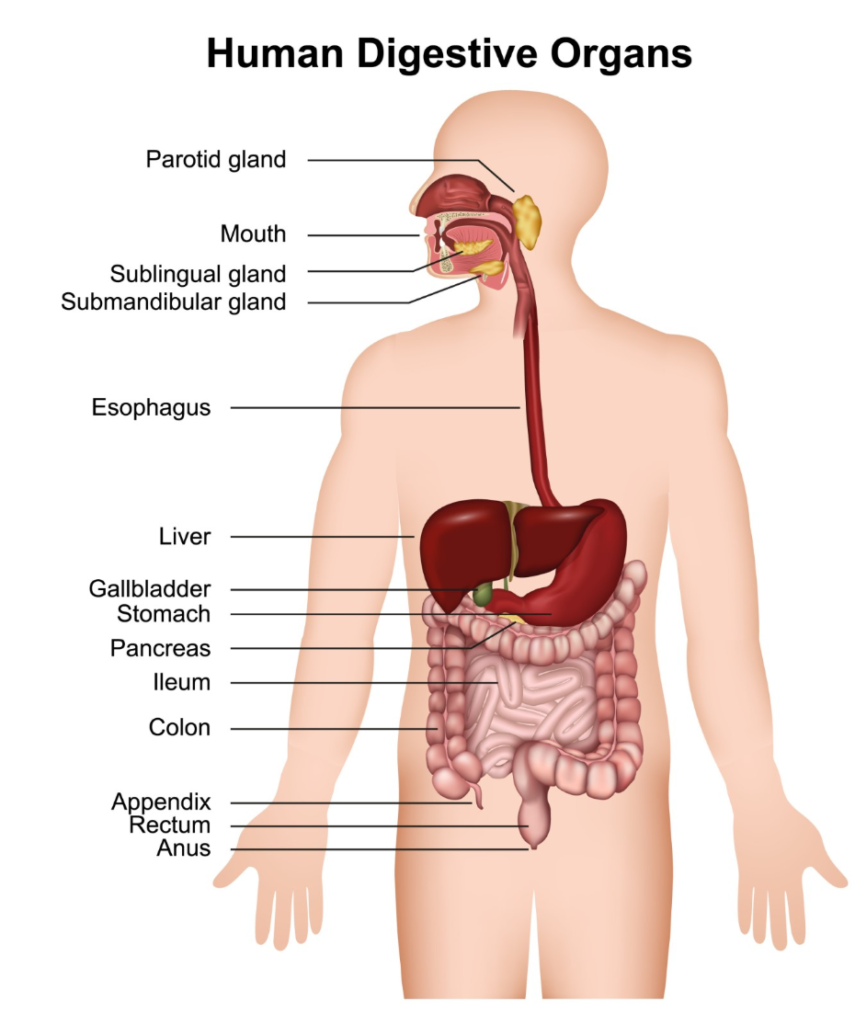
When early symptoms do occur, they are frequently so general that they are easily mistaken for other minor illnesses or lifestyle factors. Persistent fatigue and a general sense of feeling unwell are the most common early reports, often accompanied by a loss of appetite and unintentional weight loss. Some individuals may experience regular bouts of nausea or a dull, aching pain in the upper right area of the abdomen where the liver is situated.
These symptoms are caused by the chronic inflammation associated with the scarring process, which places a metabolic strain on the entire body. While these signs do not provide a definitive indication of liver disease on their own, they often prompt healthcare providers to conduct further investigations. NICE clinical guidelines recommend that if a patient presents with persistent non-specific symptoms and has known risk factors for liver disease, they should be assessed for potential liver fibrosis or cirrhosis.
Subtle Physical Signs on the Skin and Body
As the liver begins to struggle with its regulatory functions, subtle physical changes may appear on the skin or body that serve as early clinical clues for medical professionals. One such sign is the appearance of spider angiomas, which are small, spider-like clusters of blood vessels that typically appear on the face, neck, or chest. Another common indicator is palmar erythema, a condition where the palms of the hands become unusually red.
| Physical Sign | Description | Potential Cause |
| Spider Angiomas | Small, radiating red blood vessels | Altered hormone metabolism in the liver |
| Palmar Erythema | Reddening of the palms of the hands | Increased blood flow due to hormone changes |
| Clubbing | Curving of the fingernails | Chronic low oxygen or circulatory changes |
| Small Skin Spots | Tiny red spots (petechiae) | Changes in blood clotting capabilities |
These changes occur because the liver is becoming less efficient at processing certain hormones, such as oestrogen, which leads to the dilation of small blood vessels. While these signs may be barely noticeable to the patient, they are significant markers during a clinical examination. In some cases, men may also notice a decrease in libido or breast enlargement (gynecomastia) due to these hormonal imbalances as the cirrhosis progresses.
The Absence of Early Liver Pain
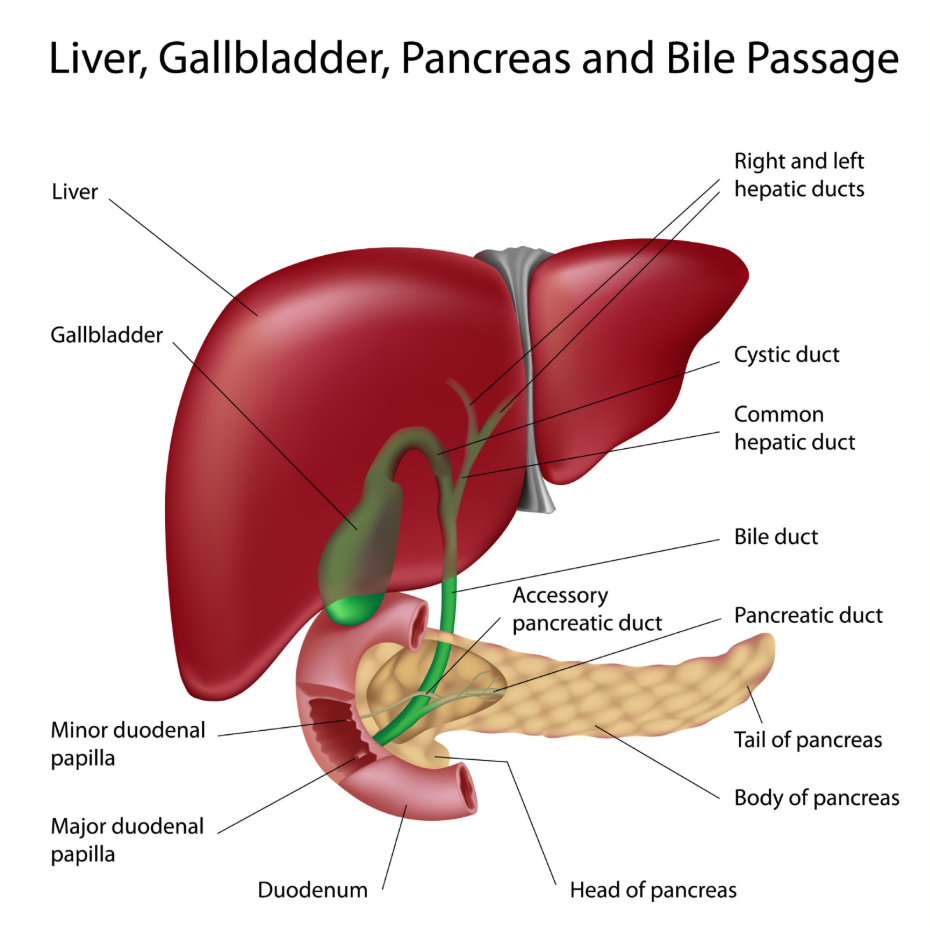
A significant reason why cirrhosis goes undetected in the early stages is that the liver tissue itself does not contain pain receptors. The only part of the liver capable of sending pain signals is the Glisson’s capsule, which is the thin, protective membrane that surrounds the organ. Pain usually only occurs if the liver becomes significantly enlarged or inflamed, stretching this outer membrane.
Because the scarring in cirrhosis often causes the liver to eventually shrink and become firm rather than swell, many patients never experience the typical “organ pain” associated with other conditions. The dull ache sometimes felt in the upper right abdomen is more often related to inflammation or the underlying cause of the cirrhosis, such as fatty liver disease, rather than the scar tissue itself. This biological reality reinforces the necessity of using diagnostic tools like blood tests and imaging to monitor liver health accurately.
Identifying Silent Cirrhosis in the UK
Since physical symptoms are unreliable for early detection, the NHS uses targeted screening for individuals with known risk factors to find cirrhosis before it reaches an advanced stage. This is achieved through liver function tests, which are blood tests that measure enzymes and proteins. While these tests can be normal in early cirrhosis, they often provide the first hint of an underlying problem if enzymes like ALT or GGT are persistently elevated.
To confirm the presence of scarring, specialists often use a FibroScan, a non-invasive ultrasound-based test that measures liver stiffness. The GOV.UK health pages indicate that the early identification of liver disease through proactive monitoring is a major public health priority to reduce the number of people presenting with end stage liver failure. These diagnostic pathways are designed to catch the disease in the compensated phase, providing the best opportunity to treat the cause and stabilise the liver.
Conclusion
The early symptoms of cirrhosis are often subtle, non-specific, and easy to overlook, ranging from persistent fatigue to minor skin changes. Because the liver can function effectively despite early scarring, many people remain asymptomatic until the damage is advanced. Clinical vigilance, regular blood tests, and non-invasive scans are the only reliable ways to identify the condition in its early stages. Managing risk factors and adhering to clinical monitoring offers the best chance of preventing the progression of liver damage. If you experience severe, sudden, or worsening symptoms, call 999 immediately.
Can I have cirrhosis if my liver blood tests are normal?
Yes, it is possible to have early or compensated cirrhosis with normal blood test results, which is why scans like a FibroScan are often necessary for a clear diagnosis.
Is tiredness always a symptom of liver problems?
Fatigue is very common and can have many causes, but if it is persistent and accompanied by liver disease risk factors, it should be investigated.
Why do my hands look red if I have a liver problem?
Redness in the palms can be caused by the liver’s inability to process hormones correctly, which affects the small blood vessels in the skin.
Does early cirrhosis cause yellowing of the eyes?
No, yellowing of the skin and eyes (jaundice) is usually a symptom of more advanced or decompensated cirrhosis.
How often should I be checked if I am at risk for cirrhosis?
Your healthcare provider will determine a schedule based on your specific risks, but many people with chronic liver conditions are checked every six to twelve months.
Is the damage from early cirrhosis reversible?
While scar tissue is generally permanent, treating the underlying cause can stop more scars from forming and allow the healthy parts of the liver to function better. v
Can I feel my liver if it is scarred?
A doctor may be able to feel if a liver is hard or lumpy during a physical examination, but it is very difficult for a person to feel this themselves.
Authority Snapshot (E-E-A-T)
This article provides medically factual health information regarding the early signs of cirrhosis, strictly aligned with NHS and NICE clinical guidelines. The content is developed by a professional medical writing team and reviewed by Dr. Rebecca Fernandez, a UK-trained physician with experience in internal medicine, surgery, and emergency care. All information follows current UK public health protocols to ensure clinical accuracy and patient safety.