




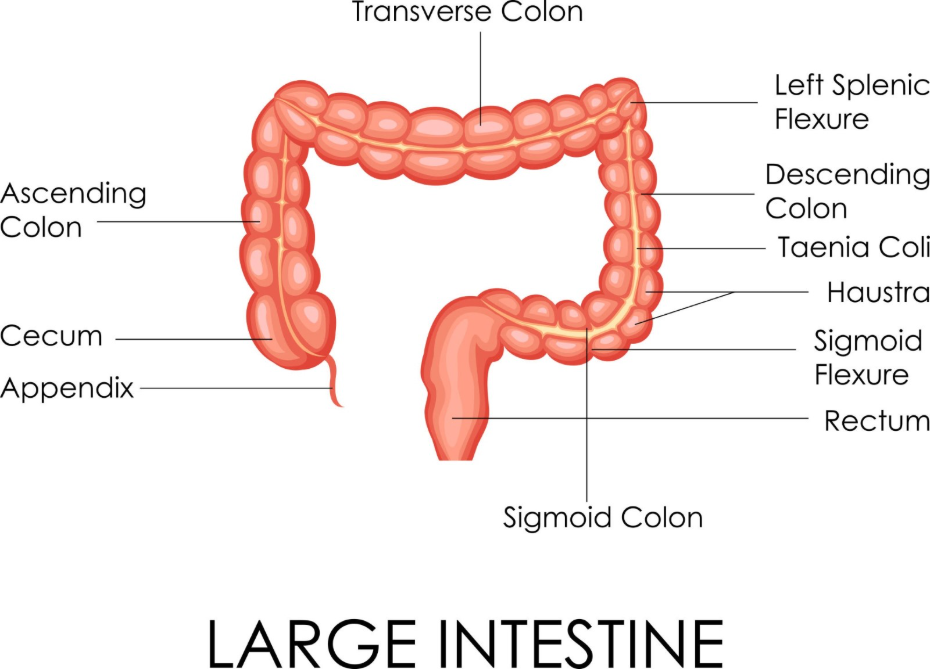
Diverticulitis flare-ups occur when small, bulging pouches in the lining of the large intestine, known as diverticula, become inflamed or infected. While the presence of these pouches is a common condition called diverticulosis, a flare-up signifies an acute change where bacteria multiply within a pouch or the pouch wall sustains a small tear. In the United Kingdom, healthcare professionals identify several contributing factors to these episodes, including changes in bowel pressure, dietary habits, and the use of certain medications. The inflammatory response can lead to localised pain, fever, and digestive disruption, requiring medical intervention to prevent complications. Understanding the triggers for these flare-ups is essential for patients who have already been identified as having diverticula. By managing the internal environment of the colon through lifestyle and preventative care, the frequency and severity of these acute episodes can often be reduced. Identifying the symptoms early allows the UK healthcare system to provide targeted management, ensuring that the bowel can heal and return to its baseline functional state.
What We’ll Discuss in This Article
- The biological transition from diverticulosis to an acute flare-up.
- The role of bacterial overgrowth and fecalith obstruction in the colon.
- How dietary fibre intake influences internal bowel pressure.
- Lifestyle factors such as obesity, smoking, and physical inactivity.
- The impact of non-steroidal anti-inflammatory drugs on the bowel wall.
- UK clinical protocols for managing and preventing recurrent episodes.
The Biological Mechanism of an Acute Flare-up
A diverticulitis flare-up is caused by the obstruction of a diverticulum or a micro-perforation in the pouch wall, which allows bacteria to trigger an inflammatory response. Diverticula are small pockets that form in weakened areas of the muscular wall of the colon. The NHS states that diverticulitis happens when the small pouches in the lining of the large intestine become inflamed or infected.
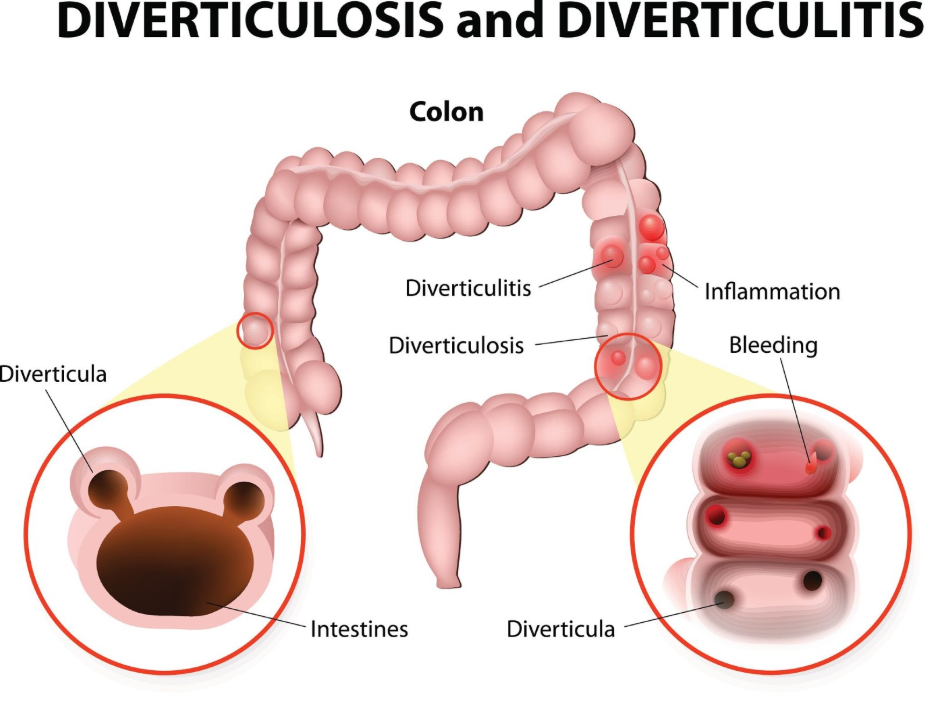
In many cases, a small piece of hardened stool, known as a fecalith, becomes trapped in the opening of a pouch. This blockage prevents the pouch from draining and creates a stagnant environment where bacteria naturally present in the gut can multiply rapidly. The resulting infection causes the pouch wall to swell and redden. If the pressure becomes too great, a tiny tear can develop, allowing bacteria to leak into the surrounding tissue. This process leads to the localised abdominal pain and systemic symptoms, such as fever, that characterise a flare-up. In the UK, clinicians focus on resolving this inflammation quickly to prevent the formation of abscesses or more widespread infections.
Dietary Fibre and Internal Bowel Pressure
A low-fibre diet is a primary factor in causing diverticulitis flare-ups because it leads to harder stools and increased pressure within the colon. Fibre is essential for keeping stools soft and bulky, which allows the colon to move waste efficiently through its length. NICE clinical guidelines for diverticular disease management emphasise that a high-fibre diet is recommended for people with diverticulosis to help prevent flare-ups of diverticulitis.
When a diet lacks fibre, the colon must contract with more force to move small, hard stools. This increased muscular effort raises the internal pressure, which can push waste into the diverticula, leading to the obstructions that trigger inflammation. Furthermore, constipation associated with low fibre intake increases the amount of time bacteria are in contact with the bowel lining. In the United Kingdom, nutritional advice for managing diverticular disease focuses on a gradual increase in fibre and maintaining high fluid intake to ensure that the bowel does not have to work against excessive resistance.
The Impact of Lifestyle: Obesity and Inactivity
Lifestyle factors such as obesity and a lack of regular physical activity are strongly linked to an increased risk of diverticulitis flare-ups through their effects on systemic inflammation and bowel transit time. Obesity, particularly when fat is concentrated around the abdomen, is associated with a state of low-grade chronic inflammation throughout the body. This can make the tissues of the colon more reactive and susceptible to infection within the diverticula.
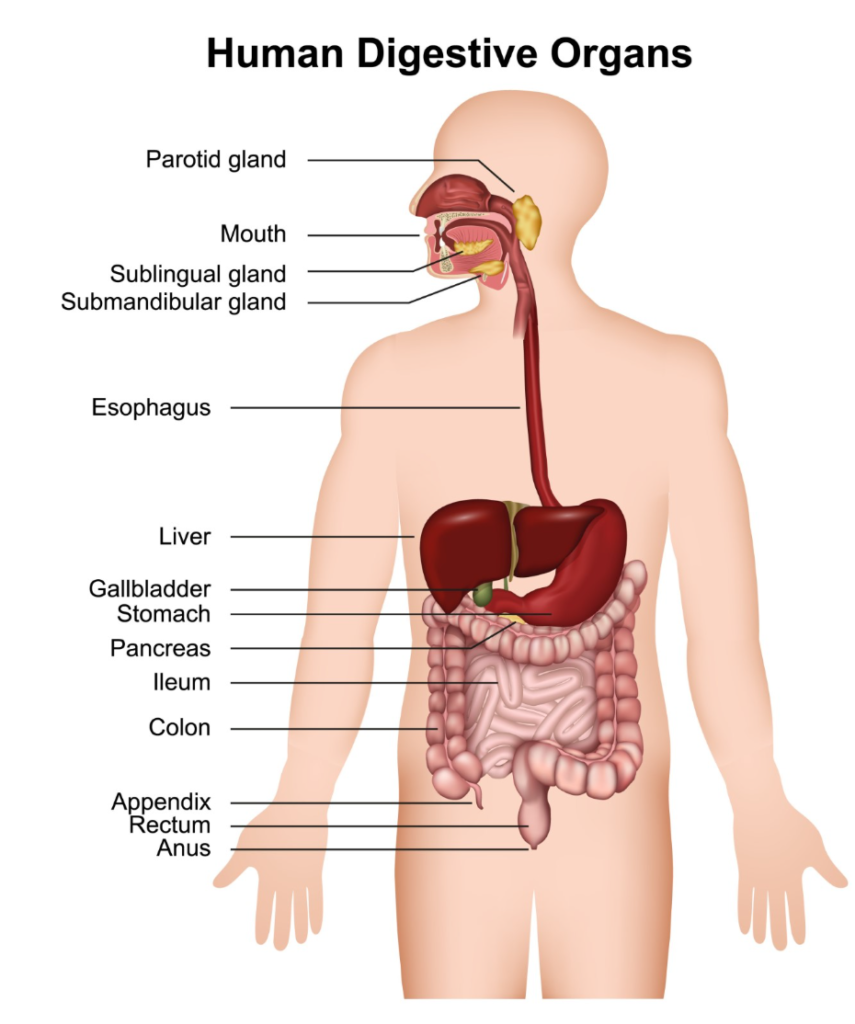
Physical activity helps support the natural rhythmic contractions of the colon, known as peristalsis. A sedentary lifestyle can slow down the movement of waste, increasing the likelihood of fecaliths forming and becoming trapped in the pouches.
Medication Use and Bowel Wall Integrity
The use of certain medications, particularly non-steroidal anti-inflammatory drugs (NSAIDs) such as ibuprofen or aspirin, has been identified as a significant trigger for diverticulitis flare-ups and related complications. These medications can interfere with the production of protective mucus in the colon and may weaken the integrity of the bowel wall.
The GOV.UK health pages indicate that the regular use of NSAIDs and opioid painkillers is associated with a higher risk of diverticular perforation and bleeding. Opioids can cause severe constipation, which directly increases the pressure within the colon. Patients in the UK who are known to have diverticula are often advised to use alternative pain relief, such as paracetamol, to avoid irritating the pouches. This medication review is a vital part of the clinical pathway for preventing recurrent episodes, especially in older adults who may be taking multiple treatments for other chronic conditions.
Managing Recurrent Flare-ups in the UK
The management of diverticulitis in the United Kingdom follows a structured approach that prioritises bowel rest and targeted medical treatment during a flare-up to prevent recurrence. When a flare-up is suspected, a clinician will assess the severity of the symptoms and may perform blood tests to check for infection markers.
During the acute phase, the standard UK protocol often involves a temporary clear fluid diet. This reduces the amount of waste passing through the colon, giving the inflamed pouches a chance to heal without being subjected to further pressure. Once the pain and fever have subsided, fibre is reintroduced very gradually. For uncomplicated cases, this conservative management is usually sufficient. However, for those who experience frequent or severe flare-ups, a referral to a specialist gastroenterologist may be made to discuss more intensive management or to confirm the diagnosis through imaging once the inflammation has cleared. This integrated care ensures that both the immediate crisis and the long-term structural health of the colon are addressed.
Genetic Predisposition and Ageing
While lifestyle and diet are critical, the natural ageing process and genetic factors also determine how susceptible an individual’s bowel is to diverticulitis flare-ups. As the body ages, the muscular wall of the colon loses some of its elasticity and strength, making the pouches more prone to tearing or becoming obstructed.
There is also evidence that certain people have a genetic predisposition to developing diverticula and experiencing inflammation. This means that some individuals may follow a high-fibre diet and maintain a healthy weight but still experience flare-ups due to their underlying tissue structure. In the UK, clinicians account for these non-modifiable factors by personalising the monitoring schedule for each patient. For those with a significant family history of diverticular complications, the focus is on vigilant monitoring of bowel habits and early intervention at the first sign of a flare-up.
Conclusion
Diverticulitis flare-ups are caused by a combination of bacterial overgrowth, low fibre intake, and lifestyle factors that increase pressure or inflammation in the colon. Recognising the triggers, such as the use of certain medications or changes in diet, is essential for managing the condition and preventing recurrent episodes. In the UK, a structured clinical approach focused on bowel rest and preventative dietary advice is the standard of care. By supporting the healthy function of the large intestine, the impact of these flare-ups on quality of life can be reduced. If you experience severe, sudden, or worsening symptoms, call 999 immediately.
Does eating nuts and seeds cause a flare-up?
Current UK clinical guidance suggests there is no evidence that nuts, seeds, or popcorn trigger diverticulitis, and they can be a healthy part of a high-fibre diet.
Why do I need to stop eating solid food during a flare-up?
A clear fluid diet gives your colon a chance to rest and reduces the pressure on the inflamed pouches, allowing the infection to resolve more quickly.
Can stress cause my diverticulitis to flare up?
While stress does not cause the infection directly, it can affect bowel motility and sensitivity, which may contribute to the symptoms of diverticular disease.
Is diverticulitis the same as Irritable Bowel Syndrome?
No, diverticulitis involves physical infection or inflammation of pouches, while IBS is a functional disorder of the gut without visible inflammation.
Will I always need antibiotics for a flare-up?
Not always; mild cases of uncomplicated diverticulitis can sometimes be managed with rest and fluids alone, depending on the clinician’s assessment.
Does drinking water help prevent flare-ups?
Yes, staying well-hydrated is essential when eating a high-fibre diet to ensure that stools remain soft and easy for the colon to move.
Can I exercise during a flare-up?
It is generally best to rest during the acute phase of a flare-up and only return to regular physical activity once your symptoms have subsided and your doctor agrees.
Authority Snapshot (E-E-A-T)
This article provides medically factual health education regarding the causes of diverticulitis flare-ups, strictly aligned with NHS and NICE clinical guidelines. The content is developed by a professional medical writing team and reviewed by Dr. Rebecca Fernandez, a UK-trained physician with extensive experience in internal medicine, general surgery, and emergency care. All information follows current UK public health protocols to ensure clinical accuracy and patient safety.



