




Diabetes insipidus is a condition that requires careful and consistent management to maintain the body’s fluid and electrolyte balance. When the condition arises from pituitary disorders, it signifies that the brain’s master gland is failing to release the hormone necessary for the kidneys to conserve water. If this hormonal deficit is left untreated, the body enters a state of chronic fluid depletion that can rapidly escalate into a medical emergency. The inability to concentrate urine leads to a cascade of physiological issues, ranging from profound physical exhaustion to life threatening shifts in blood chemistry. Recognizing these complications is vital for anyone living with the condition or caring for a patient with pituitary dysfunction.
What We’ll Discuss in This Article
- The progression of severe dehydration and its impact on vital organs.
- Hypernatraemia and the neurological risks of high sodium levels.
- The physical and psychological toll of chronic sleep deprivation.
- Complications specific to children and infants with untreated symptoms.
- The risk of bladder and kidney damage from prolonged excessive urination.
- Warning signs of a fluid crisis that require immediate emergency intervention.
Severe Dehydration and Circulatory Collapse
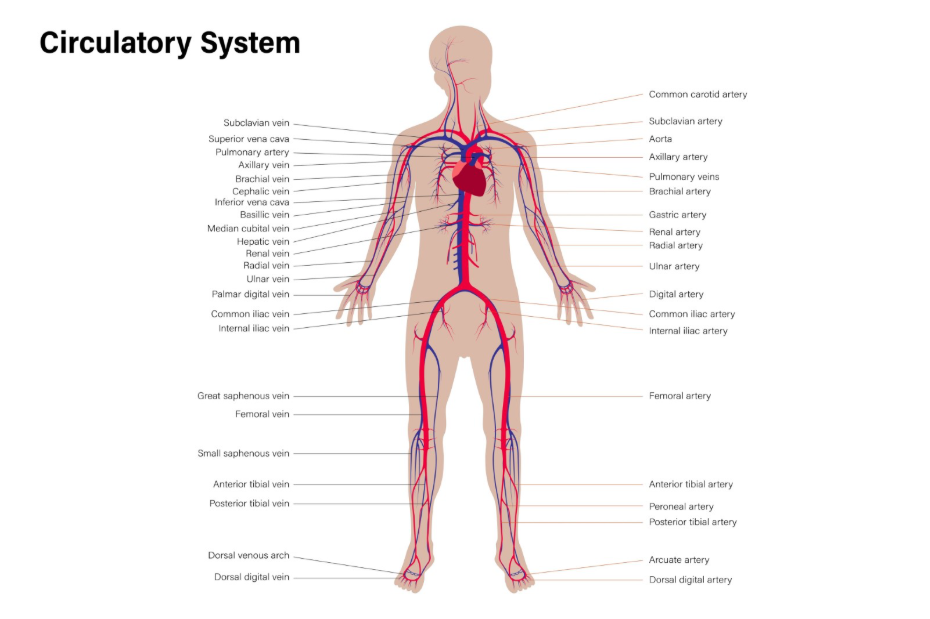
The most immediate and dangerous complication of untreated diabetes insipidus is severe dehydration. Because the kidneys are unable to respond to the body’s need for water retention, they continue to produce large volumes of dilute urine regardless of how much fluid is consumed. If a person cannot keep up with this loss, the total volume of water in the bloodstream begins to drop. This reduction in blood volume, known as hypovolaemia, makes it increasingly difficult for the heart to pump blood effectively to the brain and other essential organs.
Symptoms of advanced dehydration include a rapid heart rate, very low blood pressure, and a significant decrease in skin elasticity. As the condition worsens, the body may go into circulatory shock, where the organs do not receive enough oxygen to function. In an untreated state, even a minor illness that prevents drinking, such as a stomach bug, can accelerate this process within hours. According to the NHS, managing fluid intake is the most critical factor in preventing these acute episodes of dehydration.
Hypernatraemia and Neurological Damage
When the body loses pure water through the kidneys without losing a proportional amount of salt, the concentration of sodium in the blood rises to dangerous levels. This condition, called hypernatraemia, is a common and serious complication of untreated diabetes insipidus. Sodium is an essential electrolyte that helps regulate the amount of water in and around your cells, but an excess of it causes water to be pulled out of the cells, causing them to shrink. This is particularly damaging to brain cells.
Neurological complications from high sodium can range from mild confusion and irritability to more severe manifestations like muscle twitching, seizures, and even coma. In long term untreated cases, the repeated stress on the nervous system can lead to permanent cognitive impairments. Doctors monitor sodium levels closely in patients with pituitary disorders because the transition from normal to toxic levels can happen quickly if the thirst mechanism is impaired or if water is not readily available.
Chronic Sleep Deprivation and Cognitive Decline
The relentless need to urinate and drink water does not stop when a person tries to sleep. This symptom, known as nocturia, forces untreated patients to wake up many times throughout the night. This prevents the individual from entering the deep, restorative stages of sleep necessary for brain health and emotional regulation. Over weeks and months, this leads to chronic sleep deprivation, which has its own set of debilitating complications.
Patients often experience profound daytime fatigue, which can impair their ability to drive, work, or perform complex tasks safely. Memory lapses, difficulty concentrating, and mood disorders like anxiety or depression are frequently reported in those whose condition is not properly controlled. The psychological burden of never feeling rested and always needing to be near a bathroom or water source can lead to significant social isolation and a diminished quality of life.
Developmental Complications in Children
In children and infants, the complications of untreated diabetes insipidus are particularly severe because their bodies are still developing. Constant fluid loss can interfere with the absorption of essential nutrients, leading to “failure to thrive” or stunted physical growth. Infants who are chronically dehydrated may also suffer from developmental delays as the brain requires a stable environment and adequate hydration to grow and form new connections.
Children may also experience significant issues with bedwetting and daytime accidents, which can lead to psychological distress and social challenges at school. If the condition is not identified and treated early, the repeated episodes of dehydration and high sodium can cause permanent intellectual disabilities. It is essential that any child showing signs of excessive thirst and frequent urination is evaluated by a specialist to prevent these long-term developmental consequences.
Bladder and Kidney Structure Changes
Prolonged and untreated polyuria can eventually lead to physical changes in the urinary system. The constant, high volume of urine flowing through the kidneys and into the bladder can cause these organs to stretch and enlarge. An overstretched bladder, known as a distended bladder, may lose its ability to contract effectively, making it difficult to empty the bladder completely. This can increase the risk of urinary tract infections and stone formation.
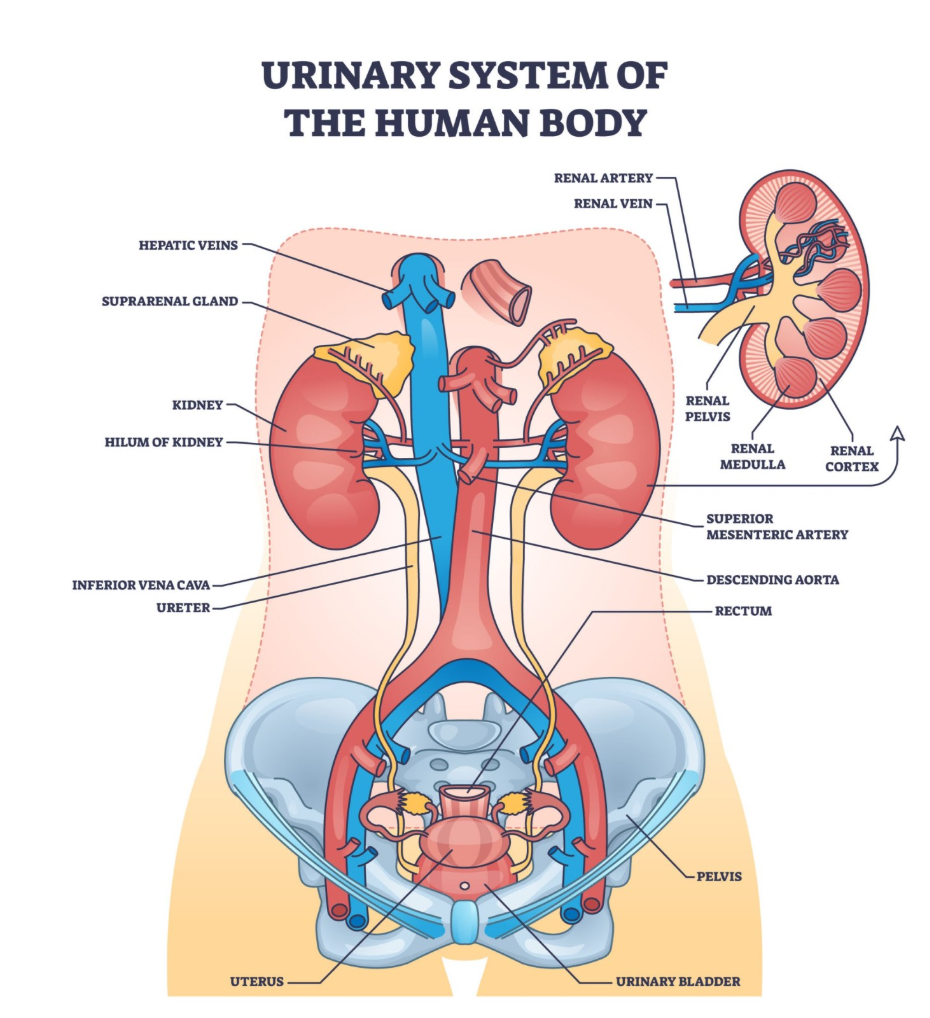
In some cases, the back pressure from a full bladder can even affect the kidneys themselves, a condition called hydronephrosis. This occurs when urine “backs up” into the kidneys, potentially leading to permanent kidney damage or scarring over time. While the primary issue in diabetes insipidus is hormonal, the secondary physical effects on the urinary tract highlight the importance of reducing urine volume through appropriate medical treatment.
Conclusion
Untreated diabetes insipidus in the context of pituitary disorders carries significant risks, ranging from acute circulatory collapse and seizures to chronic neurological and developmental issues. The inability to regulate water balance places a constant strain on every system in the body, particularly the brain and kidneys. While the condition is manageable with hormone replacement, leaving it unaddressed can lead to permanent damage and life threatening emergencies. If you experience severe, sudden, or worsening symptoms such as extreme confusion, fainting, or a severe headache, call 999 immediately.
Can untreated diabetes insipidus cause brain damage?
Yes, severe and repeated episodes of high sodium (hypernatraemia) can cause brain cells to shrink, potentially leading to permanent neurological issues or seizures.
Is the risk of death high if the condition is not managed?
If an individual loses access to water or becomes ill and cannot drink, they can develop fatal dehydration and circulatory shock quite rapidly.
Can the condition cause heart problems?
Dehydration leads to low blood volume, which puts extra strain on the heart, causing a fast heart rate and potentially dangerous drops in blood pressure.
Does untreated diabetes insipidus affect the skin?
Chronic dehydration often causes the skin to become very dry, lose its elasticity, and appear wrinkled or “tented” when pinched.
Why is it so dangerous for babies?
Babies have a higher surface area to volume ratio and cannot communicate thirst, making them much more vulnerable to rapid, life threatening dehydration.
Can the kidneys fail because of this condition?
While the kidneys are usually healthy, the constant high volume of urine can cause physical stretching of the urinary tract and potential damage from back pressure.
Is the fatigue from this condition just normal tiredness?
No, it is usually a profound exhaustion caused by both the metabolic stress of dehydration and the total lack of restorative sleep due to waking up to pee.
Authority Snapshot (E-E-A-T Block)
This article provides critical information on the risks associated with unmanaged diabetes insipidus. It has been authored by the medical content team and reviewed by Dr. Rebecca Fernandez to ensure it adheres to the highest medical standards and UK clinical guidelines. The content is aligned with NHS and NICE safety recommendations to ensure patients understand the urgency of proper medical management for pituitary related fluid disorders.



