




When a brain tumour is suspected, providing your doctor with a clear and detailed account of your physical symptoms and how they have evolved is the most helpful step you can take. In the United Kingdom, GPs and specialists rely on specific clinical indicators to determine the urgency of a referral for further neuroimaging or neurological assessment. By preparing a chronological history of your experiences, including any changes in your mood, vision, or physical coordination, you enable the medical team to make a more accurate evaluation of your health. The UK healthcare system follow evidence-based protocols established by the NHS and NICE to differentiate between common ailments and structural brain issues. This article explores the essential details you should document and share during your consultation to support a thorough clinical investigation. Understanding which “red flag” signs are most significant allows for a more focused and effective discussion with your healthcare provider.
What We’ll Discuss in This Article
- Describing the specific nature and timing of headaches.
- Identifying changes in cognitive function, memory, and personality.
- Documenting physical signs such as seizures, weakness, or balance issues.
- Reporting sensory changes involving vision, hearing, and speech.
- Providing a relevant personal and family medical history.
- How the “temporal pattern” of symptoms influences UK clinical referrals.
Describing the Nature and Timing of Headaches
If you are experiencing headaches, you should provide your doctor with specific details regarding their severity, the time of day they occur, and whether anything makes them feel better or worse. While most headaches are not related to tumours, those associated with increased intracranial pressure often follow a distinctive pattern that is a priority for UK clinicians. The NHS states that you should see a GP if you have a headache that feels different from your usual headaches or is getting worse.
Important details to mention include:
- Time of Day: Headaches that are consistently worse in the morning or occur during sleep.
- Physical Triggers: Pain that increases when you cough, sneeze, or bend over.
- Associated Symptoms: Whether the headache is accompanied by nausea or vomiting.
- Progression: If the frequency or intensity of the pain has been steadily increasing over weeks.
By sharing these specifics, you help the doctor distinguish between primary headaches, such as migraines or tension headaches, and those that may warrant a fast-track neurological referral. In the UK, a persistent headache that is noticeably worse in the morning is considered a “red flag” that often leads to more urgent investigations.
Identifying Changes in Cognitive Function and Personality
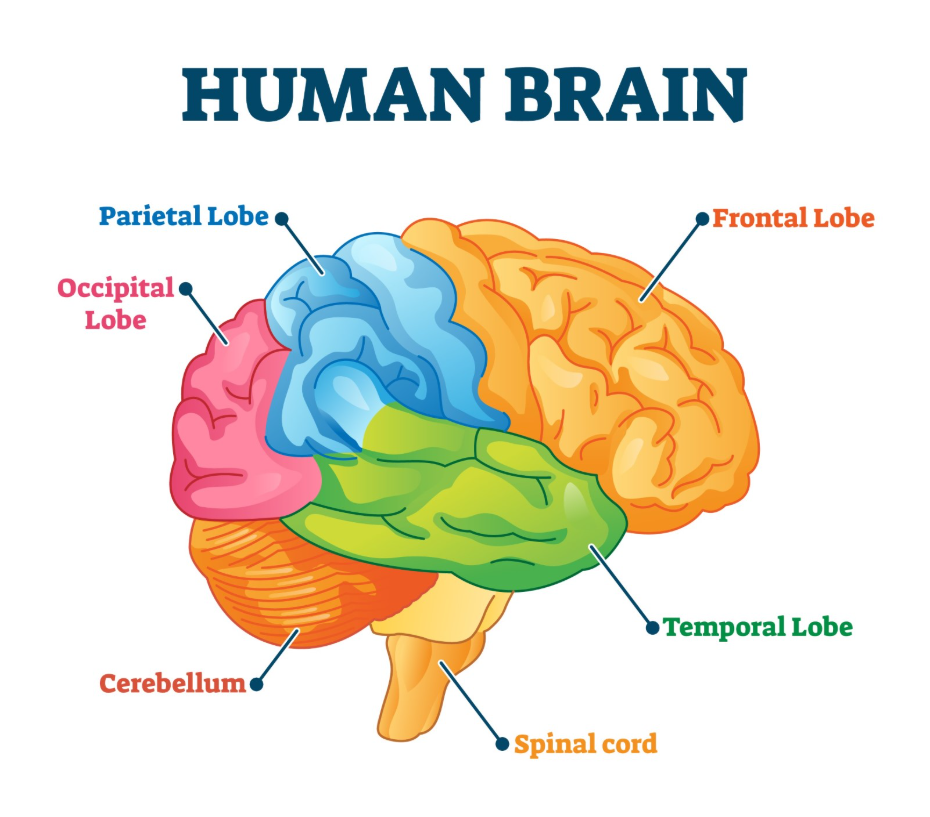
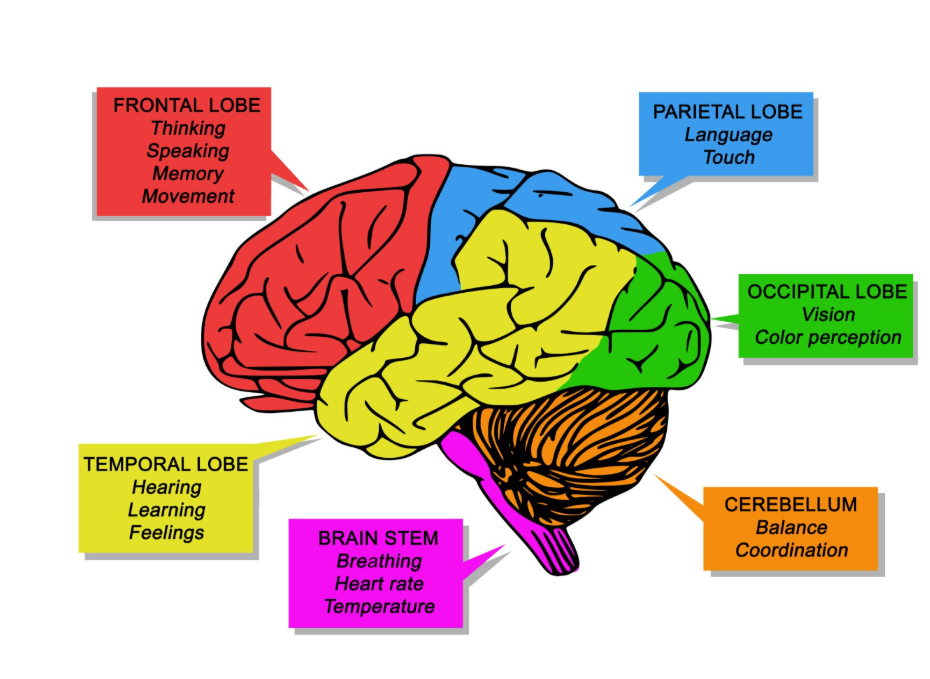
You should report any subtle or significant changes in your thinking, memory, or personality, as these can be indicators of how a specific area of the brain is functioning. Because different lobes of the brain control different aspects of behaviour and cognition, a shift in your mental state can provide the doctor with clues about the location of a potential mass. NICE clinical guidelines for brain tumours indicate that persistent changes in personality or cognitive function are significant clinical markers that require investigation.
You should inform your doctor if you have noticed:
- Memory Lapses: Difficulty remembering recent events or tasks that were previously easy.
- Personality Shifts: Increased irritability, apathy, or unusual changes in your social behaviour.
- Difficulty Concentrating: Struggling to focus on work, reading, or complex conversations.
- Confusion: Feeling disoriented or having difficulty finding the right words during speech.
In many cases, family members or friends may be the first to notice these changes. Sharing their observations with your GP is highly encouraged in the UK, as it provides a more objective view of the “temporal pattern” of your symptoms. These cognitive details are vital for the multidisciplinary team to build a complete clinical picture during the assessment phase.
Documenting Physical Signs and Motor Coordination
It is essential to tell your doctor about any new seizures, physical weakness, or issues with your balance and coordination, regardless of how minor they may seem. Seizures are one of the most common early indicators of a brain tumour in adults and should be described in as much detail as possible, including what happened before, during, and after the event.
Details regarding motor function include:
- Weakness or Numbness: Losing strength in a specific limb or feeling a persistent “pins and needles” sensation on one side of the body.
- Balance Issues: Feeling unsteady on your feet or experiencing frequent stumbles.
- Coordination Changes: Noticing that your handwriting has changed or that you are dropping items more frequently.
- Twitching: Uncontrolled movements in the face or limbs.
The GOV.UK health pages provide clinical profiles indicating that a new-onset seizure in an adult requires an urgent referral for brain imaging. In the United Kingdom, if you have experienced a seizure, you must also stop driving and inform the DVLA while investigations are ongoing. Providing a clear timeline of when these physical signs first appeared helps the doctor determine whether the condition is following a “progressive” path, which is a key factor in prioritising your diagnostic tests.
Reporting Sensory Changes and Speech Difficulties
You should mention any new problems with your vision, hearing, or ability to speak clearly, as these sensory systems are controlled by specific pathways within the brain. Visual changes, such as double vision or the loss of peripheral sight, can occur if a tumour presses on the optic nerves or the occipital lobe at the back of the head.
| Sensory Area | What to Describe | Potential Clinical Significance |
| Vision | Blurred sight; double vision; tunnel vision. | Pressure on optic nerves or visual cortex. |
| Hearing | Tinnitus (ringing); hearing loss in one ear. | Potential acoustic neuroma or nerve pressure. |
| Speech | Slurring; difficulty finding words; stuttering. | Impact on Broca’s or Wernicke’s areas. |
| Smell/Taste | Loss of sense or experiencing phantom smells. | Potential frontal lobe involvement. |
In the UK, opticians often play a role in the diagnostic journey by identifying swelling behind the eye, known as papilledema, which indicates increased pressure in the brain. If an optician has found this, you should bring the report to your GP consultation. Similarly, if you find yourself struggling to understand others or if your own speech has become jumbled, these details are vital for the specialist neuro-oncology team when they evaluate your case.
Personal and Family Medical History
Sharing your personal medical history, including any previous cancer diagnoses or exposure to high-dose radiation, provides the doctor with essential context for your current symptoms. While most brain tumours are sporadic, certain rare genetic conditions or past medical treatments can increase the statistical risk.
Important historical details include:
- Previous Cancers: Any history of cancer elsewhere in the body, as this may suggest a secondary or metastatic tumour.
- Past Radiotherapy: Significant radiation treatment to the head or neck earlier in life.
- Genetic Conditions: A family history of rare syndromes such as Neurofibromatosis Type 1 or Type 2.
- Current Medications: Any drugs you are taking that might be causing side effects similar to neurological symptoms.
In the UK, the NHS prioritise patients with a known history of cancer for urgent brain imaging if they develop new neurological symptoms. By providing this background information, you ensure that the GP can apply the correct NICE referral criteria to your specific situation. This historical context helps the medical team decide whether to follow a primary diagnostic pathway or an oncology-led investigation for secondary disease.
The Importance of the Temporal Pattern
One of the most significant details to discuss with your doctor is the “temporal pattern” of your symptoms, which refers to how they have changed and progressed over time. Clinicians in the United Kingdom look for symptoms that are persistent and following a worsening trajectory, rather than those that come and go or remain completely stable over many years.
You should clarify:
- When it Started: The approximate date or month you first noticed something was wrong.
- How it Changed: Whether the symptoms are becoming more frequent or more severe.
- Constant vs Intermittent: If the symptoms are present all the time or only during certain activities.
- Rate of Change: How quickly the symptoms have developed—over days, weeks, or months.
This information is vital for the 28-day faster diagnosis standard in the UK. Symptoms that develop rapidly over a few weeks are often investigated with more urgency than those that have been the same for several years. By being precise about the timeline, you help the GP and the multidisciplinary team understand the “pace” of the potential condition. This ensures that the clinical resources of the NHS are directed toward the most urgent cases while providing appropriate care for those with less acute needs.
Conclusion
Sharing specific details about the nature of your headaches, physical coordination, and any cognitive or sensory changes is essential for an accurate clinical assessment in the UK. By documenting the timing and progression of these symptoms, you enable your GP to follow the correct NHS and NICE referral pathways for specialist investigation. Providing your full medical history and observations from family members also adds valuable context to the diagnostic process. Following these structured steps ensure that your concerns are addressed thoroughly and promptly within the healthcare system. If you experience severe, sudden, or worsening symptoms, call 999 immediately.
What if I can’t remember exactly when my symptoms started?
Try to relate the onset of symptoms to a specific event, such as a holiday or a birthday, to give the doctor an approximate timeline.
Should I keep a symptom diary before my appointment?
Yes; keeping a brief log of when symptoms occur and what triggers them can be very helpful for your doctor in the UK.
What is a “focal” neurological sign?
A focal sign is a symptom that affects a specific part of the body, such as weakness in one hand or a loss of vision in one eye.
Is it helpful to bring a family member to the consultation?
Yes; someone who knows you well can often provide a clearer account of changes in your personality or memory that you might not notice yourself.
Will the doctor think I’m overreacting if I mention minor changes?
No; UK doctors are trained to look at the whole picture, and even minor changes can be significant when they occur alongside other signs.
Should I mention symptoms that have already gone away?
Yes; the history of how symptoms appear and resolve is important for the doctor to understand the nature of the condition.
What if my only symptom is a headache?
Most headaches are not tumours, but you should still describe the pattern and any new features of the pain to your GP for a proper assessment.
Authority Snapshot (E-E-A-T)
This article provides medically factual health education regarding the details to discuss with a doctor if a brain tumour is suspected, strictly aligned with NHS and NICE clinical guidelines. The content is developed by a professional medical writing team and reviewed by Dr. Stefan Petrov, a UK-trained physician with experience in surgery, emergency medicine, and clinical education. All information follows current UK public health protocols to ensure clinical accuracy and patient safety.



