




An endoscopy is a clinical procedure used to examine the internal lining of the digestive tract and is often the definitive step in confirming a diagnosis of coeliac disease. During the process, a thin, flexible tube equipped with a camera is used to visualise the small intestine and collect tissue samples for laboratory analysis. In the United Kingdom, this procedure is typically performed by a specialist gastroenterologist following an initial positive blood test. It provides the physical evidence required to confirm the presence of autoimmune damage and determine the necessary course of long term medical management.
What We’ll Discuss in This Article
- The purpose of an upper gastrointestinal endoscopy
- How the procedure visualises intestinal damage
- The role of a biopsy in confirming coeliac disease
- Preparing for the procedure and the gluten requirement
- What to expect during and after the endoscopy
- Why this remains the gold standard for adult diagnosis
An endoscopy is a hospital procedure used to visualise the small intestine and collect tissue for a biopsy
The primary goal of an endoscopy in the context of coeliac disease is to allow a specialist to inspect the duodenum and take samples of the intestinal lining. An endoscopy is a procedure where the inside of your body is examined using an endoscope to look for specific signs of inflammation or flattening of the intestinal villi.
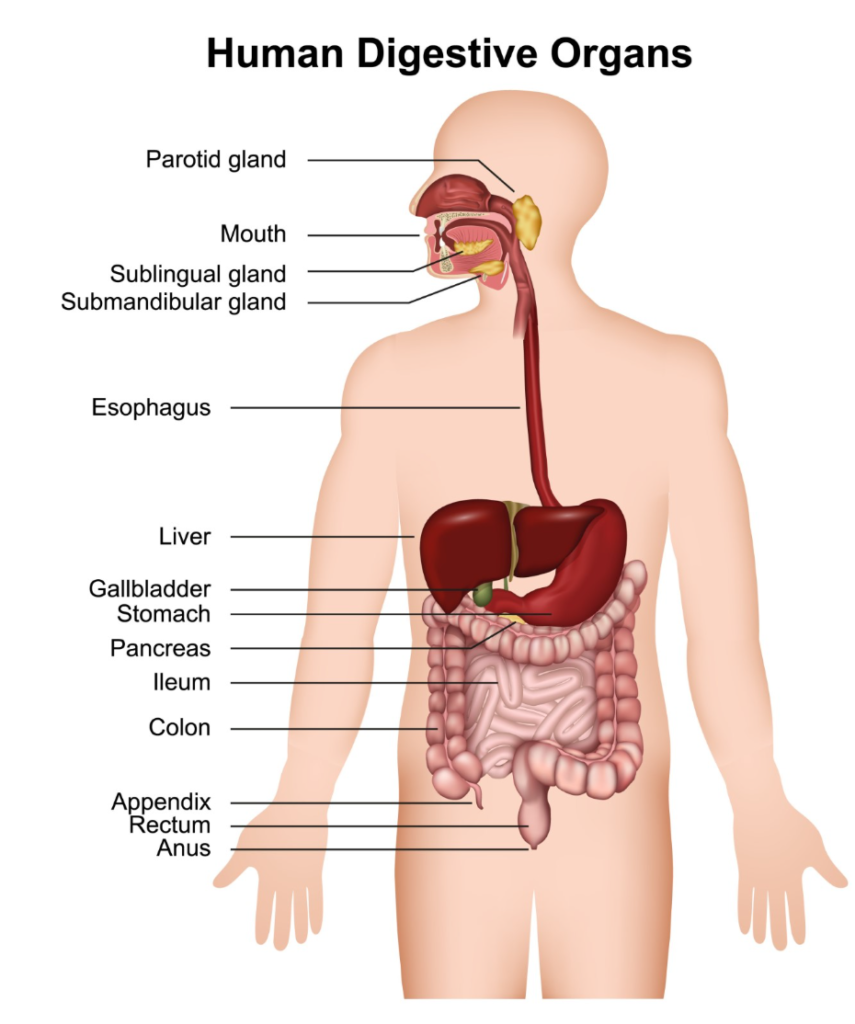
During the procedure, the gastroenterologist looks for a scalloped appearance or a loss of the normal mucosal folds, which are indicative of the autoimmune reaction to gluten. This direct visualisation helps clinicians distinguish coeliac disease from other gastrointestinal conditions that may present with similar symptoms.
The critical role of the small bowel biopsy
While the camera provides a visual overview, the final diagnosis relies on a biopsy, where several tiny pieces of tissue are removed for microscopic examination. A biopsy is often carried out in hospital to confirm the diagnosis of coeliac disease by identifying villous atrophy, which is the complete flattening of the finger like projections in the gut. These samples are sent to a laboratory where a pathologist checks for increased levels of white blood cells within the intestinal lining and assesses the depth of the intestinal crypts. This detailed analysis provides the definitive proof of the condition, as blood tests alone can sometimes produce inconclusive results.
Maintaining gluten intake before the procedure
For an endoscopy to be clinically useful, the patient must be consuming gluten regularly in the weeks leading up to the appointment. According to the National Institute for Health and Care Excellence, a gluten containing diet should be maintained for at least six weeks prior to testing to ensure that the characteristic damage is present and detectable. If an individual has already stopped eating gluten, the intestinal lining may have started to heal, potentially resulting in a normal biopsy despite the presence of the underlying disease. This requirement ensures that the results are a true reflection of how the immune system reacts to the protein.
What to expect during the clinical procedure
An endoscopy for coeliac disease is usually performed as a day case and takes approximately ten to fifteen minutes to complete. Patients are typically offered a local anaesthetic spray to numb the throat or a sedative to help them feel more relaxed during the process. The endoscope is carefully passed through the mouth and down into the first part of the small intestine. While the procedure can feel unusual or slightly uncomfortable, it is not generally painful, and the biopsy samples are so small that they do not cause any physical sensation. After a short period of observation, most patients are able to return home the same day.
Conclusion
An endoscopy for coeliac disease is a vital diagnostic tool that combines visual inspection with microscopic tissue analysis to confirm the presence of autoimmune intestinal damage. It remains the gold standard for diagnosing the condition in adults and ensures that patients receive the correct medical recognition and lifelong care framework. Continuing to eat gluten until the procedure is finished is the most important factor for achieving a reliable result. If you experience severe, sudden, or worsening symptoms, call 999 immediately.
Do I need an endoscopy if my blood test was positive?
Most adults still require an endoscopy and biopsy to confirm the diagnosis and assess the degree of intestinal damage.
Is an endoscopy the same as a colonoscopy?
No, an endoscopy for coeliac disease examines the upper digestive tract and small intestine, whereas a colonoscopy examines the large intestine.
Can I have an endoscopy under general anaesthetic?
Standard endoscopies are usually done with throat spray or conscious sedation, but general anaesthetic is rarely required for this specific procedure.
How long will I have to wait for the biopsy results?
While the visual findings may be discussed immediately, the laboratory analysis of the tissue samples typically takes one to two weeks.
Will the endoscopy show if I have a wheat allergy?
No, an endoscopy looks for the structural damage of coeliac disease and cannot diagnose a standard IgE mediated food allergy.
Are there any risks associated with the procedure?
Endoscopy is a very safe procedure, though rare risks include minor bleeding at the biopsy site or a small tear in the lining of the tract.
What happens if the biopsy results are normal?
If the biopsy is normal but clinical suspicion remains high, your specialist may suggest further tests or a repeat procedure at a later date.
Authority Snapshot (E-E-A-T Block)
This article was created by the Medical Content Team to provide clear, UK focused education on the role of endoscopy in coeliac disease. The content has been reviewed by Dr. Stefan Petrov, a UK trained physician, to ensure complete alignment with current NHS and NICE clinical guidance. Our purpose is to help the general public understand diagnostic procedures through factual and restrained reporting.



