




Hepatitis B is a viral infection that attacks the liver and can cause both acute and chronic disease, potentially leading to life-threatening complications if not managed appropriately. Caused by the hepatitis B virus (HBV), it is primarily transmitted through contact with infected blood or other bodily fluids. While many adults who contract the virus are able to clear it from their systems within a few months, the infection is considered particularly serious because it can become a persistent, lifelong condition, especially when contracted during childhood. In the United Kingdom, public health efforts focus on universal infant vaccination and targeted screening for high-risk groups to prevent the long-term liver damage, such as cirrhosis or liver cancer, that can result from chronic infection.
What We’ll Discuss in This Article
- The biological nature of the hepatitis B virus and its transmission
- Differences between acute and chronic hepatitis B infections
- The specific impact of the virus on liver health and function
- Long-term complications including cirrhosis and liver cancer
- UK clinical standards for screening, prevention and vaccination
- Living with the condition and the role of modern antiviral treatments
The Nature of Hepatitis B and Transmission
Hepatitis B is a blood-borne virus that is highly infectious and can survive outside the body for at least seven days, making it a significant public health concern. Transmission occurs when the blood, semen, or vaginal fluids of an infected person enter the body of someone who is not infected. This can happen through various routes, including from an infected mother to her baby during birth, through unprotected sexual contact, or via the sharing of contaminated needles and equipment.
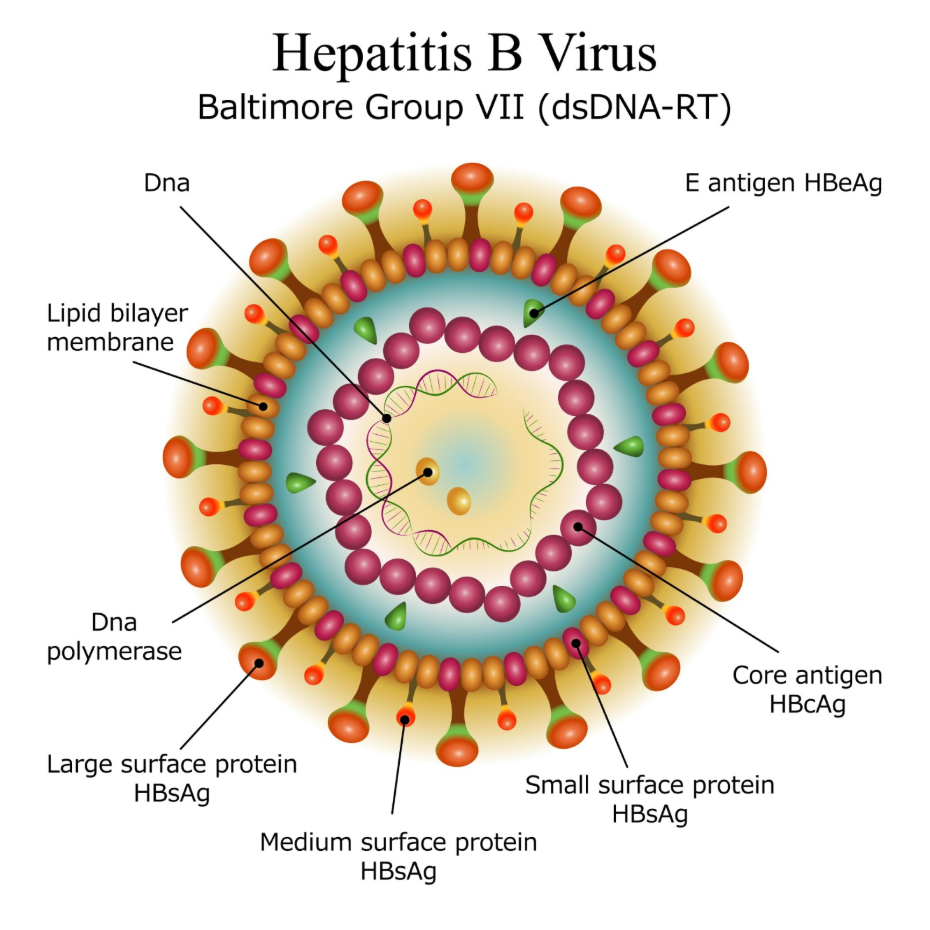
Hepatitis B is a liver infection caused by a virus that is spread through blood and body fluids. In the United Kingdom, the risk of transmission through medical procedures or blood transfusions is extremely low due to rigorous screening and safety protocols. However, individuals may still be at risk through household contact or travel to regions where the virus is more common. Because the virus can be present in an individual without causing immediate symptoms, screening is essential for identifying infections and preventing further spread.
Distinguishing Acute and Chronic Infection
The clinical course of hepatitis B depends heavily on the age at which a person is first infected, with younger individuals being much more likely to develop a chronic condition. An acute infection is a short-term illness that occurs within the first six months after exposure to the virus. Most adults who contract hepatitis B experience an acute phase and are able to clear the virus completely, developing lifelong immunity as a result.
In contrast, chronic hepatitis B occurs when the virus remains in the body for longer than six months because the immune system is unable to clear it. Hepatitis B can be a short-term (acute) infection, but in some people, it can become a long-term (chronic) infection that leads to serious liver damage. While approximately 90% of infants infected at birth will develop chronic hepatitis B, only about 5% of adults will do so. Chronic infection is a serious medical concern because it can remain silent for many years while progressively damaging the liver tissue, often only becoming apparent when significant complications arise.
Why Hepatitis B is Considered Serious
Hepatitis B is considered a serious infection primarily because of its potential to cause irreversible liver damage and increase the risk of primary liver cancer. The liver is a vital organ responsible for filtering toxins, producing essential proteins, and regulating metabolism. When the hepatitis B virus replicates in the liver cells (hepatocytes), it triggers a persistent immune response that leads to chronic inflammation and the formation of fibrous scar tissue.
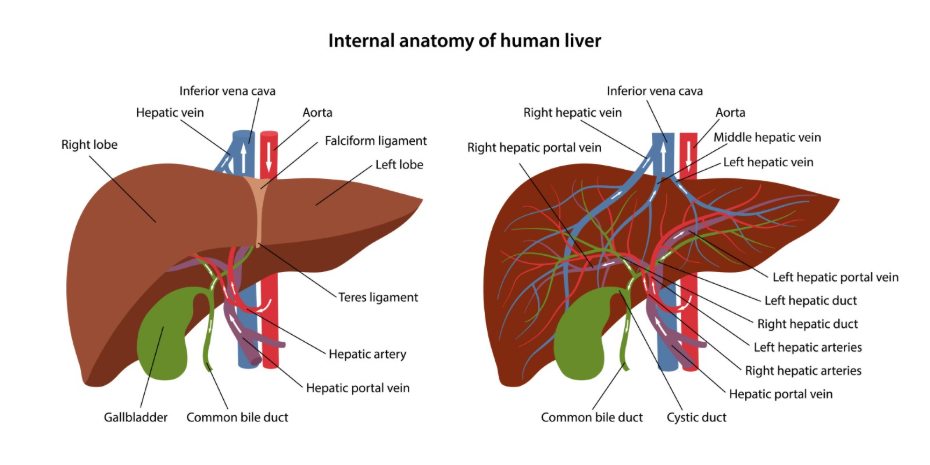
Over time, this scarring can lead to cirrhosis, a condition where the liver becomes so scarred that it can no longer function correctly. The National Institute for Health and Care Excellence provides guidelines on the management of chronic hepatitis B to reduce the risk of cirrhosis and hepatocellular carcinoma. Furthermore, chronic HBV infection is a leading cause of hepatocellular carcinoma, the most common type of liver cancer. Because these complications can develop without obvious symptoms, the infection is often referred to as a “silent” threat, necessitating regular clinical monitoring for those living with the virus.
Symptoms and Clinical Presentation
The symptoms of hepatitis B vary significantly between the acute and chronic stages, and many individuals may remain asymptomatic for long periods. During the acute phase, symptoms often resemble a flu-like illness and may include fever, fatigue, joint pain, and loss of appetite. Some individuals also develop jaundice, which is a yellowing of the skin and the whites of the eyes, caused by the liver’s inability to process bilirubin.
| Symptom | Acute Phase | Chronic Phase |
| Fatigue | Common and often severe | May be mild or absent |
| Jaundice | Possible | Rare (until late stages) |
| Abdominal Pain | Upper right quadrant | Only if complications arise |
| Nausea/Vomiting | Common | Rare |
| Urine/Stool Changes | Dark urine/pale stools | Rare (until late stages) |
In chronic hepatitis B, symptoms may be non-specific or entirely absent for decades. Patients may only become aware of the infection when they experience signs of advanced liver disease, such as swelling in the abdomen (ascites) or legs, easy bruising, or mental confusion. This lack of early warning signs is why clinical screening for those at increased risk is a priority in the UK health system.
Prevention through Vaccination and Screening
The most effective way to prevent hepatitis B is through vaccination, which has been part of the routine UK childhood immunisation schedule since 2017. The vaccine is highly effective and provides long-term protection against the virus. In addition to universal infant vaccination, the vaccine is recommended for adults at increased risk, including healthcare workers, people who inject drugs, and those travelling to high-prevalence areas.
Screening is another vital component of the UK strategy, particularly for pregnant women. All pregnant women in the UK are offered a blood test for hepatitis B to ensure that if they are infected, their baby can receive the vaccine and immunoglobulin immediately after birth to prevent transmission. For individuals diagnosed with chronic hepatitis B, regular blood tests and liver scans are used to monitor the health of the liver and determine when antiviral treatment should be initiated to suppress the virus and prevent damage.
Management and Modern Antiviral Treatments
While there is currently no cure that completely eliminates the hepatitis B virus from the body in chronic cases, modern antiviral medications are highly effective at suppressing the virus and preventing liver damage. These treatments work by interfering with the virus’s ability to replicate, which reduces the viral load in the blood and allows the liver inflammation to subside.
In the United Kingdom, the decision to start treatment is based on specific clinical markers, including the level of HBV DNA in the blood and the degree of liver inflammation or scarring. Most people with chronic hepatitis B require long-term monitoring by a specialist hepatologist or infectious disease doctor. By maintaining a low viral load through consistent medication and regular check-ups, individuals living with hepatitis B can significantly reduce their risk of developing cirrhosis or liver cancer and lead a healthy, normal life.
Conclusion
Hepatitis B is a serious viral infection that can lead to chronic liver disease, cirrhosis, and liver cancer if not identified and managed. While most adults clear the acute infection, the risk of a lifelong chronic condition is significant, particularly for those infected at a young age. Prevention through vaccination and early detection through screening are the most effective tools available in the UK to combat the virus. With regular clinical monitoring and modern antiviral treatments, the long-term risks associated with hepatitis B can be effectively managed.
Can hepatitis B be cured?
Acute hepatitis B often clears on its own, but chronic hepatitis B cannot currently be cured; however, it can be effectively managed with lifelong antiviral medication.
How is hepatitis B different from hepatitis C?
While both affect the liver, hepatitis B is more easily prevented by a vaccine, whereas there is no vaccine for hepatitis C, though it can be cured with medication.
Is the hepatitis B vaccine safe?
The vaccine is considered very safe and has been used globally for decades, with most people only experiencing minor soreness at the injection site.
Can I get hepatitis B from casual contact?
No, you cannot contract hepatitis B from hugging, kissing, sharing food, or coughing; it is only spread through infected blood and bodily fluids.
How often do I need a check-up if I have chronic hepatitis B?
Most people require clinical reviews and blood tests every 6 to 12 months to monitor liver health and the activity of the virus.
Can I have a healthy baby if I have hepatitis B?
Yes, with the correct medical intervention at birth, including vaccination and immunoglobulin for the baby, the risk of transmission is extremely low.
What should I avoid if I have hepatitis B?
It is essential to avoid alcohol and maintain a healthy weight to reduce additional stress on the liver, as both can accelerate liver damage.
Authority Snapshot (E-E-A-T)
This medical education content provides accurate, evidence-based information regarding hepatitis B for the UK public. The material is developed by a professional medical writing team and reviewed by Dr. Stefan Petrov, a UK-trained physician with experience in general surgery, emergency care, and clinical education. All information provided is strictly aligned with the clinical standards and diagnostic pathways provided by the NHS and the National Institute for Health and Care Excellence (NICE).



