




Immunotherapy is a type of medical treatment that stimulates the body’s own immune system to recognise and attack brain tumour cells. Unlike traditional chemotherapy, which directly targets rapidly dividing cells, immunotherapy works by enhancing the natural ability of white blood cells to identify the unique proteins found on the surface of abnormal neurological growths. In the United Kingdom, immunotherapy for primary brain tumours is currently a significant area of clinical research, with many treatments being accessed through structured clinical trials. By following evidence-based protocols from the NHS and NICE, healthcare professionals evaluate how these biological therapies can be integrated into wider management plans. This article examines the biological mechanisms of immunotherapy, the different types of treatments being explored, and the integrated care pathways available within the UK healthcare system. Understanding how the immune system interacts with the brain is essential for patients considering these emerging therapeutic options.
What We’ll Discuss in This Article
- The biological mechanism of the immune system in fighting brain tumours.
- Different types of immunotherapy, including checkpoint inhibitors and vaccines.
- The unique challenge of the blood-brain barrier in immune treatments.
- How molecular markers influence eligibility for immunotherapy trials.
- Managing side effects and the importance of specialist clinical monitoring.
- The role of UK clinical trials in accessing emerging immunotherapy options.
Mechanisms of Immune System Activation
Immunotherapy works by overcoming the “evasion” techniques used by brain tumour cells to hide from the body’s natural defences. Normally, the immune system identifies and destroys abnormal cells, but some tumours produce proteins that act as a “cloak,” making them invisible to white blood cells or actively switching off the immune response. The NHS states that immunotherapy is a type of treatment that helps your immune system fight cancer.
In the United Kingdom, researchers are focused on “reactivating” these dormant immune cells so they can penetrate the tumour tissue. By using specific biological agents, the treatment can either flag the tumour cells for destruction or remove the chemical “brakes” that the tumour has placed on the immune system. This approach aims to create a more durable response by teaching the body’s defences to remember and continue attacking the abnormal cells. Understanding these complex biological interactions is a key component of the multidisciplinary review process used to assess new treatments within the NHS.
Types of Immunotherapy in Neuro-Oncology
There are several different types of immunotherapy being investigated in the United Kingdom, each using a different method to stimulate an immune response against a brain tumour. Checkpoint inhibitors are drugs that block the proteins used by tumours to hide from the immune system, while cancer vaccines are designed to prime the body to recognise specific tumour-associated antigens. NICE clinical guidelines for brain tumours indicate that molecular testing is essential to understand the biological characteristics that might make a tumour susceptible to these therapies.
| Immunotherapy Type | Method of Action | Clinical Status in UK |
| Checkpoint Inhibitors | Blocks “off” signals to T-cells. | Used in trials for high-grade tumours. |
| Cancer Vaccines | Primes the system with tumour proteins. | Active area of clinical research. |
| CAR T-cell Therapy | Modifies the patient’s own T-cells. | Investigational for specific cases. |
| Monoclonal Antibodies | Attaches to specific tumour markers. | Sometimes used for recurrent disease. |
In the UK, CAR T-cell therapy is a highly specialised process where a patient’s own immune cells are collected, genetically modified in a laboratory to better recognise the tumour, and then infused back into the patient. While these treatments are already established for some blood cancers, their use in brain tumours remains experimental. UK specialists coordinate these complex treatments through regional centres of excellence to ensure that the highest standards of safety and diagnostic accuracy are maintained.
The Challenge of the Blood-Brain Barrier
A significant challenge for immunotherapy in the United Kingdom is the blood-brain barrier, which can prevent both immunotherapy drugs and activated immune cells from reaching the tumour in sufficient quantities. Furthermore, the brain is considered “immunologically privileged,” meaning it has its own unique immune environment that is partially isolated from the rest of the body.
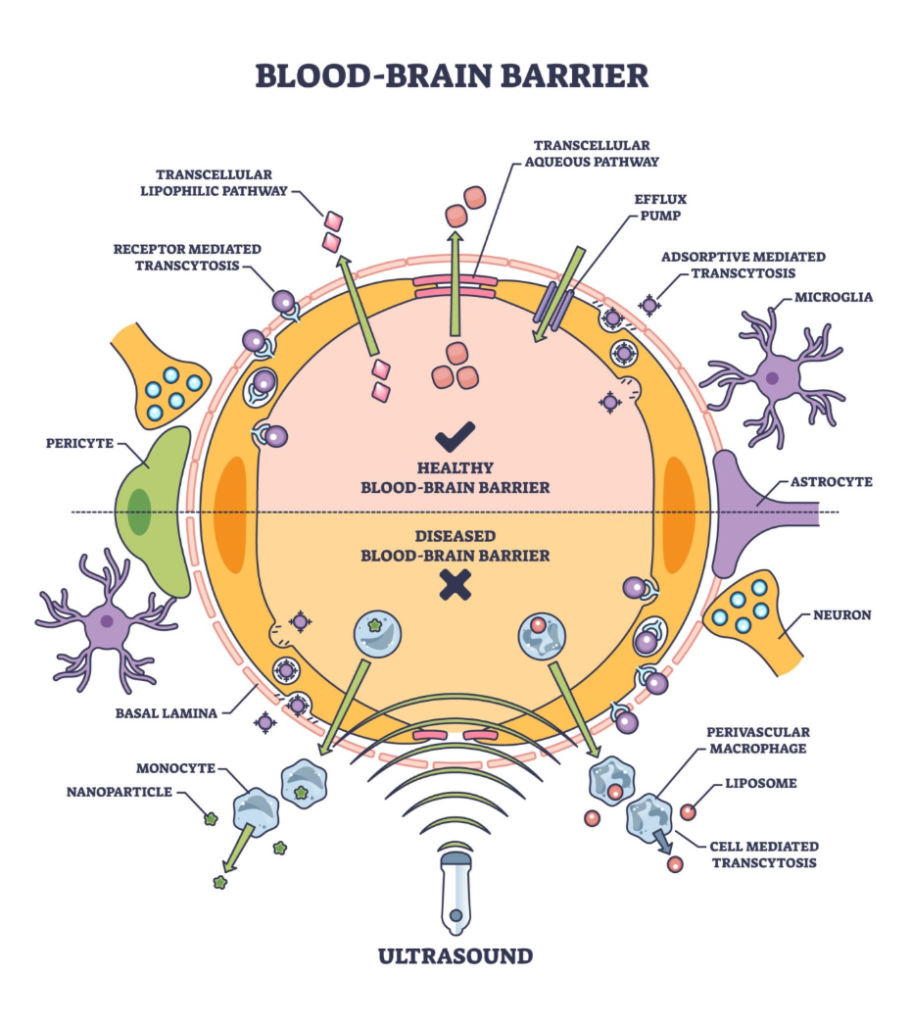
Researchers in the UK are investigating ways to help immune cells navigate this barrier effectively. This may involve using specific delivery systems or combining immunotherapy with treatments like radiotherapy, which can temporarily make the barrier more permeable. The GOV.UK health pages provide clinical profiles indicating that the unique physiology of the brain is a primary consideration in the design of neuro-oncology clinical trials. Understanding these physiological constraints ensures that the NHS prioritises research that addresses the specific needs of patients with intracranial growths.
Molecular Markers and Treatment Eligibility
In the United Kingdom, eligibility for immunotherapy is often determined by the presence of specific molecular markers identified during the biopsy or surgical resection of the tumour. Some tumours have a “high mutational burden,” meaning they have many genetic changes that make them more likely to be recognised by the immune system.
Molecular markers often evaluated include:
- PD-L1 Expression: A protein that tumours use to switch off immune cells.
- Microsatellite Instability (MSI): Indicates a high number of genetic mutations.
- Tumour Mutational Burden (TMB): A measure of how “visible” the tumour is to the immune system.
- MGMT Methylation: While primarily used for chemotherapy, it also provides context for overall management.
This genomic information is reviewed by the multidisciplinary team to see if a patient meets the strict criteria for an available clinical trial. In the UK, this ensures that the most innovative treatments are targeted toward those most likely to benefit biologically. Following these national standards, the NHS ensures that the diagnostic workup provides the depth of information required for modern personalised medicine.
Managing Side Effects and Immune Responses
Immunotherapy can cause a unique set of side effects, often referred to as immune-related adverse events, which occur when the stimulated immune system begins to attack healthy tissues in the body. In the United Kingdom, patients receiving these treatments are monitored closely by specialist oncology teams to manage these responses promptly.
Common side effects of immunotherapy can include:
- Inflammation: Such as pneumonitis (lungs), colitis (bowel), or hepatitis (liver).
- Skin Reactions: Rashes or itching as the immune system reacts.
- Endocrine Issues: Changes in the function of the thyroid or pituitary glands.
- Fatigue: A general sense of tiredness common to many systemic treatments.
- Brain Swelling: Known as pseudo-progression, where the tumour looks larger on a scan because of the immune activity.
UK clinical teams use regular blood tests and physical assessments to catch these issues early. Because the symptoms of “pseudo-progression” can look like the tumour is growing, specialists in the UK use advanced MRI techniques to distinguish between an effective immune response and actual disease progression. This proactive management is essential for maintaining patient safety and quality of life during the treatment journey.
Accessing Immunotherapy via UK Clinical Trials
Because most immunotherapies for brain tumours are not yet part of routine NHS care, many patients in the United Kingdom access these treatments by participating in clinical trials. These trials are highly regulated and provide a framework for evaluating the safety and effectiveness of new biological therapies in a controlled environment.
The UK clinical trial pathway involves:
- Identification: The specialist team identifying a trial that matches the patient’s tumour type.
- Informed Consent: Providing detailed information about the potential risks and benefits.
- Screening: Performing extra tests to ensure the patient meets all eligibility criteria.
- Consistent Monitoring: Regular scans and appointments as part of the research protocol.
Participating in a trial allows patients to contribute to the development of the next generation of evidence-based treatments while receiving a high level of specialist care. In the UK, the results of these trials are reviewed by national panels to decide which treatments should be made available on the NHS in the future. This research-led approach is vital for progressing the management of complex brain tumours where traditional methods may be less effective.
Conclusion
Immunotherapy represents a promising field in neuro-oncology that uses the body’s natural defences to recognise and attack brain tumour cells. While many of these treatments are currently available in the UK only through clinical trials, they offer a highly personalised approach based on the molecular profile of the tumour. The unique physiology of the brain and the blood-brain barrier remain significant challenges that UK researchers are actively working to overcome. Managing the immune-related side effects requires consistent clinical monitoring and specialist expertise within the NHS. If you experience severe, sudden, or worsening symptoms, call 999 immediately.
Is immunotherapy better than chemotherapy for a brain tumour?
Immunotherapy is not necessarily “better” but works differently; for some tumours, chemotherapy remains the most effective evidence-based management.
Why can’t I have immunotherapy on the NHS yet?
Most immunotherapies for brain tumours are still in the research phase and have not yet proven effective enough for routine NHS use.
Does immunotherapy cause my hair to fall out?
Immunotherapy is much less likely to cause hair loss than traditional chemotherapy, although it can cause other immune-related side effects.
How is immunotherapy administered?
Most immunotherapies in the UK are given as an intravenous infusion (drip) in a hospital day unit.
What is “pseudo-progression”?
This is when a tumour appears larger on a scan because of inflammation and immune activity, which can be mistaken for growth.
Can immunotherapy be used for benign brain tumours?
Currently, most immunotherapy research in the UK is focused on high-grade or malignant tumours like glioblastoma.
How do I find out about clinical trials for immunotherapy?
You should discuss this with your UK specialist, who can review the national trial database to see if you meet the eligibility criteria.
Authority Snapshot (E-E-A-T)
This article provides medically factual health education regarding immunotherapy for brain tumours, strictly aligned with NHS and NICE clinical guidelines. The content is developed by a professional medical writing team and reviewed by Dr. Rebecca Fernandez, a UK-trained physician with extensive experience in general surgery, cardiology, and emergency medicine. All information follows current UK public health protocols to ensure clinical accuracy and patient safety.



