




Testosterone is the primary male sex hormone, produced mainly in the testes. It is responsible for the development of male physical characteristics, the production of sperm, and the maintenance of bone and muscle mass. When a man has low testosterone, often called hypogonadism or low T, his body does not produce enough of this vital hormone to function optimally. In 2026, clinical understanding of male health emphasises that testosterone is not just about libido; it is a systemic hormone that affects everything from metabolic health to cognitive function.
What We Will Cover in This Article
- Defining low testosterone and clinical hypogonadism
- The physical impact: Muscle mass, bone density, and body fat
- Sexual health: Impact on libido and erectile function
- Psychological effects: Mood, energy levels, and brain fog
- Long term health risks: Cardiovascular disease and metabolic syndrome
- 2026 diagnostic protocols: Blood tests and symptom assessment
Defining Low Testosterone
In a clinical setting, low testosterone is diagnosed when blood levels fall below the reference range, typically less than 12 nmol/L in the UK, combined with persistent symptoms. Testosterone levels naturally peak during adolescence and early adulthood and then gradually decline by about 1 percent per year after the age of 30.
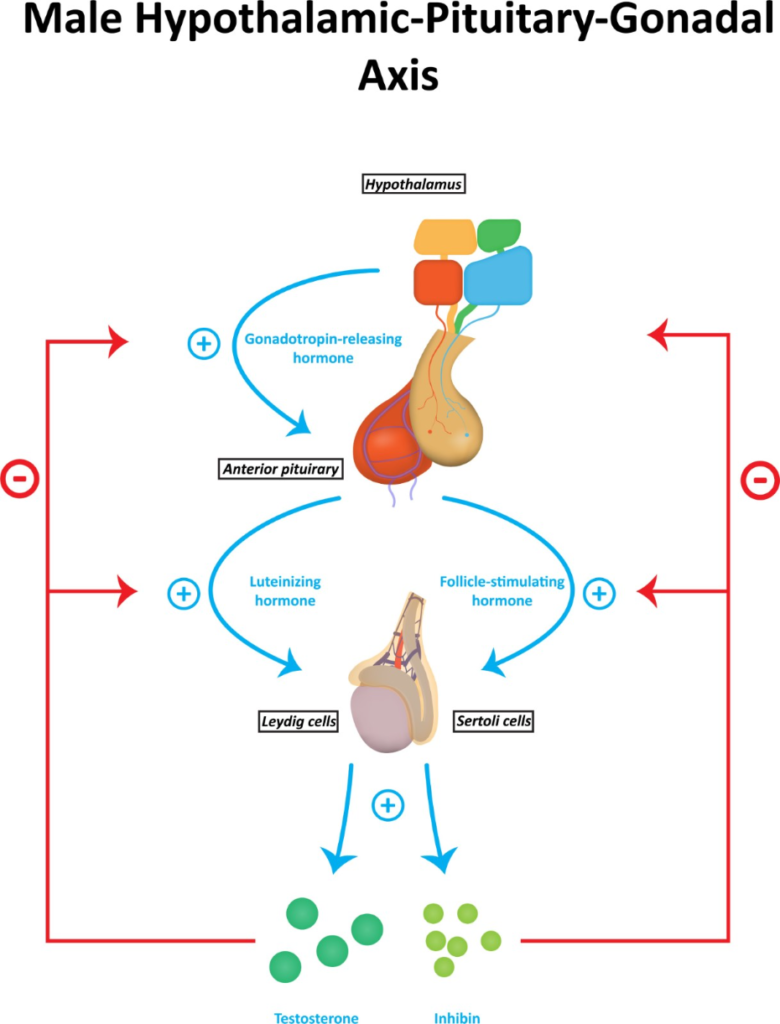
However, low T can also be caused by specific medical conditions. Primary hypogonadism occurs when the problem originates in the testes, while secondary hypogonadism stems from issues with the pituitary gland or hypothalamus in the brain, which signal the testes to produce the hormone.
The Physical Impact on Male Health
Testosterone acts as an anabolic agent, meaning it helps build and maintain the physical structure of the body.
- Muscle and Strength: Testosterone is essential for muscle protein synthesis. Men with low levels often notice a decrease in muscle mass and physical strength, even with regular exercise.
- Bone Density: Much like oestrogen in women, testosterone helps maintain bone mineral density. Low levels increase the risk of osteoporosis and bone fractures in older men.
- Body Composition: Low testosterone is closely linked to an increase in body fat, particularly visceral fat around the abdomen. This creates a cycle, as excess fat tissue can convert testosterone into oestrogen, further lowering levels.
Sexual Health and Intimacy
While testosterone is not the only factor in sexual function, it plays a foundational role in a man’s drive and physical response.
- Libido: A significant and persistent drop in sexual desire is one of the most common indicators of low T.
- Erectile Function: Testosterone helps trigger the release of nitric oxide, which is necessary to achieve and maintain an erection. While low T is rarely the sole cause of erectile dysfunction, it often contributes to the problem.
- Fertility: Lower levels of testosterone can lead to a decrease in sperm production, impacting a man’s ability to conceive.
Psychological Effects and Energy
The brain is rich in testosterone receptors, meaning the hormone has a profound influence on mental health and cognitive clarity.
- Fatigue and Energy: Men with low T often report a state of unrelenting exhaustion that does not improve with rest.
- Mood and Irritability: Low levels are strongly associated with increased irritability, a lack of motivation, and even clinical depression.
- Cognitive Function: Similar to menopausal brain fog, men with low T may experience difficulty with concentration, memory, and spatial tasks.
Long Term Health and Metabolic Risks
Beyond immediate symptoms, low testosterone is a marker for general health and longevity. In 2026, clinicians monitor testosterone levels as part of a broader cardiovascular risk assessment.
- Metabolic Syndrome: Low T is frequently associated with insulin resistance and Type 2 diabetes.
- Cardiovascular Health: There is a significant link between low testosterone and an increased risk of heart disease, as the hormone helps maintain the elasticity of blood vessels and regulates cholesterol levels.
- Red Blood Cell Production: Testosterone helps stimulate the bone marrow to produce red blood cells. Very low levels can sometimes lead to mild anaemia.
To Summarise
Low testosterone is more than just a decline in sexual drive; it is a clinical condition that affects the entire male body, from bone strength to heart health. While a gradual decline with age is normal, significant drops can lead to debilitating symptoms and long term health risks. Recognising the signs early and seeking a clinical evaluation is the first step toward restoring hormonal balance and protecting your metabolic and cardiovascular future.
If you experience a sudden loss of muscle strength, persistent low mood, or a significant change in your metabolic health, seek a medical review from your GP or a specialist urologist.
Is low testosterone a normal part of ageing?
A slow decline is normal, but severe symptoms like extreme fatigue, loss of morning erections, and depression are not. These often indicate a treatable clinical deficiency.
Can lifestyle changes increase testosterone?
Yes. Improving sleep quality, resistance training, and reducing body fat can naturally boost levels. However, for men with clinical hypogonadism, lifestyle changes alone may not be enough.
How is low testosterone tested?
Diagnosis requires a morning blood test, usually taken before 10 am when levels are highest. It is standard to repeat the test to confirm the results.
Does stress lower testosterone?
Yes. High levels of the stress hormone cortisol can actively inhibit the production of testosterone.
Can low T cause breast growth in men?
Yes. If the balance between testosterone and oestrogen shifts too far, it can lead to a condition called gynaecomastia, or enlarged breast tissue.
Is Testosterone Replacement Therapy (TRT) safe?
When prescribed by a clinician and monitored correctly, TRT is considered safe for many men. In 2026, regular monitoring of red blood cell count and prostate health is standard for anyone on treatment.
Authority Snapshot
This article was written by the MyPatientAdvice clinical team and reviewed by Dr. Stefan Petrov, a UK trained physician with an MBBS and extensive experience in general medicine, surgery, and emergency care. Dr. Petrov has postgraduate certifications including Basic Life Support (BLS), Advanced Cardiac Life Support (ACLS), and the UK Medical Licensing Assessment (PLAB 1 & 2). He is a specialist in creating patient focused health content and has contributed significantly to medical education. This information follows 2026 clinical protocols for the management of male hormonal health.



