




Thrombolysis is a specialised medical treatment that uses pharmacological agents to actively dissolve dangerous blood clots that are obstructing blood flow to vital organs. In the United Kingdom, healthcare professionals identify this intervention as a high-intensity clinical sequence reserved for emergency situations where a rapid restoration of circulation is essential to maintain systemic stability and achieve biological homeostasis. By utilised integrated NHS pathways, individuals receive a stable foundation for health maintenance through evidence-based specialist reviews focused on achieving an accurate physiological understanding of their specific profile. This coordinated effort prioritises the safety of the individual, providing a secure framework for building long-term health wellbeing through the systematic monitoring of the circulatory environment and the use of validated clinical observations within the UK healthcare framework to achieve long-term stability in a secure medical environment.
What We’ll Discuss in This Article
- The biological mechanism of fibrinolysis and pharmacological clot dissolution.
- Distinguishing between standard anticoagulation and emergency thrombolysis.
- Clinical indications for thrombolysis in massive pulmonary embolism cases.
- The role of “clot-busting” medications in treating acute ischaemic strokes.
- Standard UK safety protocols and contraindications for thrombolytic therapy.
- Accessing integrated UK support pathways for acute specialist reviews.
The Biological Mechanism of Clot Dissolution
Thrombolysis initiated a biological sequence where plasminogen activators are introduced into the bloodstream to convert plasminogen into plasmin, an enzyme that actively digests the fibrin mesh of a blood clot. In the United Kingdom, clinical research highlights that unlike standard blood thinners which prevent new clots from forming, thrombolytic agents target the structural integrity of an existing thrombus to break it down rapidly. The NHS states that thrombolysis involves using medicine to dissolve blood clots that are blocking a blood vessel and causing serious health issues.
When the chemical balance of the clot is disrupted, the deoxygenated blood flow is restored to the affected tissues. In the UK, this professional framework provides a stable foundation for the health journey by identifying that vascular patency is a primary physiological health factor in emergency medicine. By utilised these integrated pathways, the healthcare system ensures every person profile is supported through evidence-based understanding of their cellular environment. This coordinated effort focuses on maintaining biological stability and detecting the mechanical triggers of vascular obstruction through regular specialist reviews to achieve long-term stability within the United Kingdom medical system.
Thrombolysis Versus Standard Anticoagulation
In the United Kingdom, healthcare professionals utilised a structured clinical sequence to distinguish between patients who require standard anticoagulation and those who need the more aggressive intervention of thrombolysis. While anticoagulants like heparin or apixaban stop a clot from growing, they do not dissolve it immediately, whereas thrombolytic agents provide a rapid mechanical resolution of the blockage. NICE clinical guidelines indicate that thrombolysis should be considered for patients with massive pulmonary embolism and circulatory failure to maintain systemic stability.
| Feature | Standard Anticoagulation | Emergency Thrombolysis |
| Primary Goal | Prevents clot growth and new clots. | Rapidly dissolves the existing clot. |
| Administration | Oral tablets or simple injections. | Intravenous infusion or catheter. |
| Clinical Urgency | Urgent diagnostic requirement. | Critical emergency intervention. |
| Bleeding Risk | Lower baseline safety risk. | Higher risk of significant bleeding. |
Identifying the correct pharmacological support helps the multidisciplinary team provide a secure environment for health maintenance. In the UK, the focus is on providing a safe and accurate understanding of the individual functional capability across different life stages. This professional oversight is essential for building long-term health wellbeing through the systematic identification of circulatory triggers and the provision of specialist advice on achieving biological homeostasis during acute thrombotic events within the national framework.
Clinical Indications in Massive Pulmonary Embolism
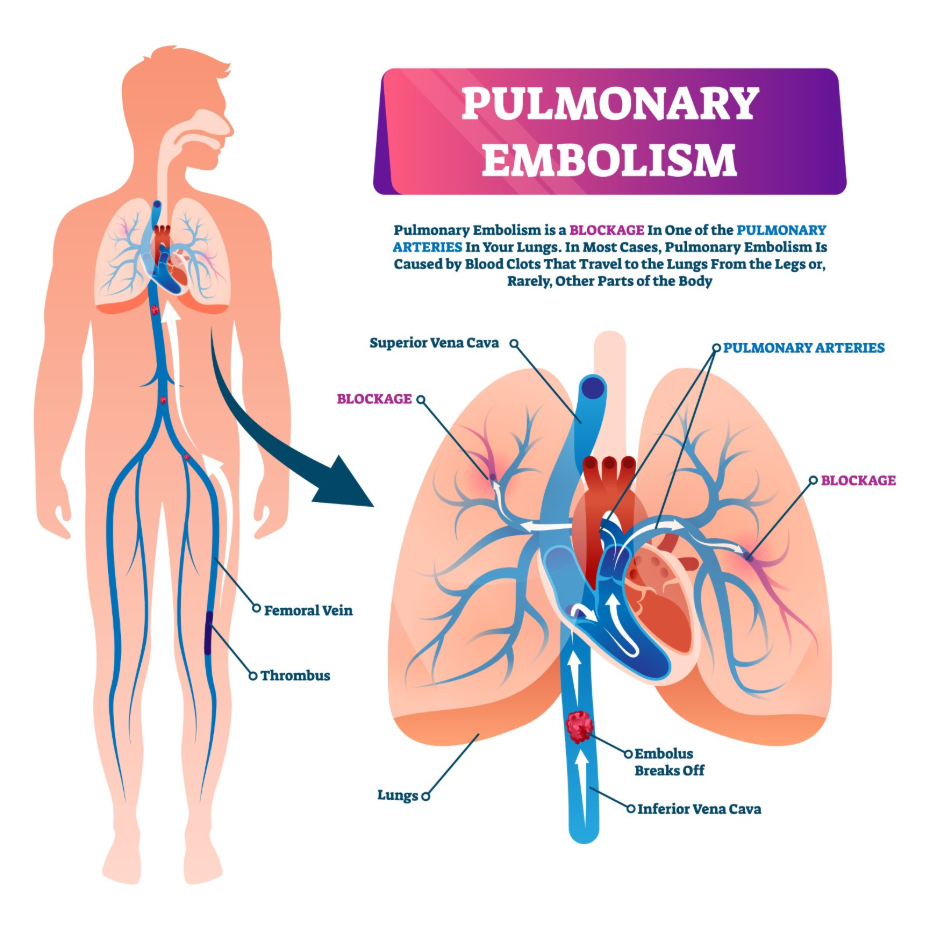
Thrombolysis is utilised for individuals with a massive pulmonary embolism when the blood clot is so large that it causes life-threatening heart strain and a dangerous drop in systemic blood pressure. In the United Kingdom, healthcare professionals identify that in these high-risk cases, the mechanical obstruction of the pulmonary arteries initiated a sequence of right-sided heart failure that require an immediate pharmacological dissolution of the thrombus. The GOV.UK health pages provide clinical profiles indicating that the monitoring of biological markers for acute heart strain is a priority for ensuring integrated support through emergency pathways.
As the heart and lungs respond to the rapid breakdown of the clot, the sequence of physiological changes identifies the success of the intervention. In the UK, the focus is on providing a stable foundation for the individual to move forward with self-understanding of their physical state. The NHS ensures that adults have a consistent point of contact for their health needs while they navigate recovery from a major vascular event. By utilised these integrated pathways, the healthcare system provides a secure environment for building long-term health wellbeing across the UK population.
Thrombolysis in Acute Ischaemic Stroke
In the United Kingdom, thrombolysis is a primary treatment for acute ischaemic stroke, where it is used to dissolve a clot in the brain to prevent permanent tissue damage and improve long-term functional capability. In the United Kingdom, healthcare professionals focus on a narrow “time window” for this treatment, typically within four and a half hours of symptom onset, to ensure that the biological benefits of restoring flow outweigh the potential risks of cerebral haemorrhage.
Factors monitored during stroke thrombolysis in the UK include:
- Time of Onset: Determining the exact moment the neurological symptoms initiated.
- Brain Imaging: Performing an urgent CT scan to rule out a brain bleed.
- Neurological Deficit: Assessing the severity of the stroke using the NIHSS scale.
- Blood Pressure Control: Ensuring levels are within a safe range for the infusion.
- Glucose Levels: Checking blood sugar to rule out other causes of confusion.
- Coagulation Profile: Reviewing the blood’s baseline ability to clot.
- Active Surveillance: Continuous monitoring in a specialised Hyperacute Stroke Unit.
In the UK, the focus is on providing a stable foundation for the individual to move forward with self-understanding. The NHS ensures that adults and children have a consistent point of contact for their health needs. By utilised these integrated pathways, the healthcare system provides a secure environment for building long-term health wellbeing across the UK population. These strategies aim to work with the individual’s biology to restore stability through the consistent clinical control of their environment and the systematic identification of the mechanical triggers of the circulatory system within the national framework.
Standard UK Safety Protocols and Contraindications
The United Kingdom healthcare system utilise a sequence of investigative protocols to screen for contraindications, as thrombolytic agents significantly increase the risk of internal bleeding. In the United Kingdom, healthcare professionals focus on ensuring that thrombolysis is only initiated after a thorough review of the individual’s health history to avoid complications such as gastrointestinal or intracranial haemorrhage.
Safety checks and contraindications in the UK include:
- Recent Major Surgery: Procedures within the last three weeks increase bleeding risk.
- Previous Brain Bleed: Any history of intracranial haemorrhage is a major red flag.
- Active Internal Bleeding: Current issues like a stomach ulcer or severe trauma.
- Severe Hypertension: Uncontrolled high blood pressure during the acute phase.
- Pregnancy: Specific risks associated with maternal and foetal circulation.
- Medication History: Current use of other blood thinners like warfarin or DOACs.
- Bleeding Disorders: Pre-existing genetic conditions that impact coagulation.
In the UK, the focus is on providing a stable foundation for the individual to move forward with self-understanding. The NHS ensures that adults and children have a consistent point of contact for their health needs. By utilised these integrated pathways, the healthcare system provides a secure environment for building long-term health wellbeing across the UK population. These strategies aim to work with the individual’s biology to restore stability through the consistent clinical control of their circulatory health and the promotion of a sustainable lifestyle within a validated medical environment.
Conclusion
Thrombolysis follows a biological sequence of rapid clot dissolution reserved for life-threatening vascular events like massive pulmonary embolism and acute ischaemic stroke within the established UK healthcare framework. The NHS and professional bodies provide a robust system of multidisciplinary assessments to help individuals achieve stability and resilience throughout their health journey. By focusing on both the consistent monitoring of circulatory health and the recognition of emergency red flags, the system promotes the highest possible level of independence. Following a coordinated management plan with the help of medical experts ensures that unique adult needs are addressed holistically.
If you experience severe, sudden, or worsening symptoms, call 999 immediately.
Is thrombolysis the same as a blood thinner?
In the UK, specialists explain that thrombolysis is a “clot buster” that dissolves existing clots, whereas blood thinners primarily prevent new ones from forming.
Why can’t everyone with a blood clot have thrombolysis?
In the UK, the medication carries a high risk of bleeding, so it is reserved for emergencies where a clot is causing life-threatening heart or brain issues.
How long does the thrombolysis procedure take?
In the UK, the medicine is typically given as a one-off injection or a slow infusion over one to two hours, followed by intensive clinical monitoring.
Will I be awake during the thrombolysis treatment?
Yes; in the UK, patients are awake during the infusion, which takes place in an emergency department or a high-dependency clinical setting.
What are the most common side effects of thrombolysis?
In the UK, the most significant side effect is an increased risk of bleeding, including minor issues like bruising or more serious internal bleeding.
How quickly does thrombolysis start to work?
In the UK, the clinical effects can often be seen within minutes to hours as the medication initiated the breakdown of the fibrin mesh in the clot.
Who should I talk to if I am worried about the long-term effects of thrombolysis?
The first point of contact in the United Kingdom is the specialist team managing your recovery, such as the stroke or respiratory consultants.
Authority Snapshot (E-E-A-T)
This article provides medically factual health education regarding thrombolysis and its clinical applications, strictly aligned with NHS and NICE clinical guidelines. The content is developed by a professional medical writing team and reviewed by Dr. Rebecca Fernandez, a UK-trained physician with experience in general surgery, cardiology, internal medicine, and emergency care. All information follows current UK public health protocols to ensure clinical accuracy and patient safety.



