




Venous thromboembolism is a collective medical term that describes a biological sequence initiated by a blood clot in a vein which can subsequently travel through the circulatory system. In the United Kingdom, healthcare professionals identify this condition as a primary physiological health factor because it encompasses both deep vein thrombosis and pulmonary embolism within a single diagnostic framework to achieve biological homeostasis. By utilised integrated NHS pathways, individuals receive a stable foundation for health maintenance through evidence-based specialist reviews focused on achieving an accurate physiological understanding of their profile. This coordinated effort prioritises the safety of the individual, providing a secure framework for building long-term health wellbeing through the systematic monitoring of the vascular environment and the use of validated clinical observations within the UK healthcare framework to achieve long-term stability in a secure medical environment.
What We’ll Discuss in This Article
- The biological definition of venous thromboembolism as a dual condition.
- How deep vein thrombosis serves as the primary origin of a clot.
- The mechanical transition of a thrombus into a pulmonary embolism.
- Shared risk factors and triggers for the development of blood clots.
- Standard UK protocols for the diagnostic investigation of venous events.
- Accessing integrated UK support pathways for specialist clinical reviews.
Defining Venous Thromboembolism as a Dual Condition
Venous thromboembolism (VTE) is a single disease process that manifests in two distinct but biologically linked ways: a clot in a deep vein or a clot in the lungs. In the United Kingdom, clinical research highlights that VTE represents a significant vascular challenge where the circulatory system fails to maintain fluid blood flow, leading to the formation of a solid mass. The NHS states that venous thromboembolism is a term that covers both deep vein thrombosis (DVT) and pulmonary embolism (PE).
When the coagulation system is overactive, the body initiated a sequence of cellular recruitment. In the UK, this professional framework provides a stable foundation for the health journey by identifying that vascular health is a primary physiological health factor in systemic maintenance. By utilised these integrated pathways, the healthcare system ensures every person profile is supported through evidence-based understanding of their circulatory environment. This coordinated effort focuses on maintaining biological stability and detecting the mechanical triggers of coagulation through regular specialist reviews to achieve long-term stability within the United Kingdom medical system.
Deep Vein Thrombosis as the Primary Origin
Deep vein thrombosis (DVT) is the initial component of VTE and occurs when a blood clot forms in one of the deep veins, usually in the lower leg, thigh, or pelvis. In the United Kingdom, healthcare professionals identify that DVT initiated a sequence of localized symptoms such as swelling, pain, and redness, which signify that venous return to the heart is obstructed. NICE clinical guidelines indicate that the assessment of deep vein thrombosis is a central component of identifying VTE triggers to maintain systemic stability.
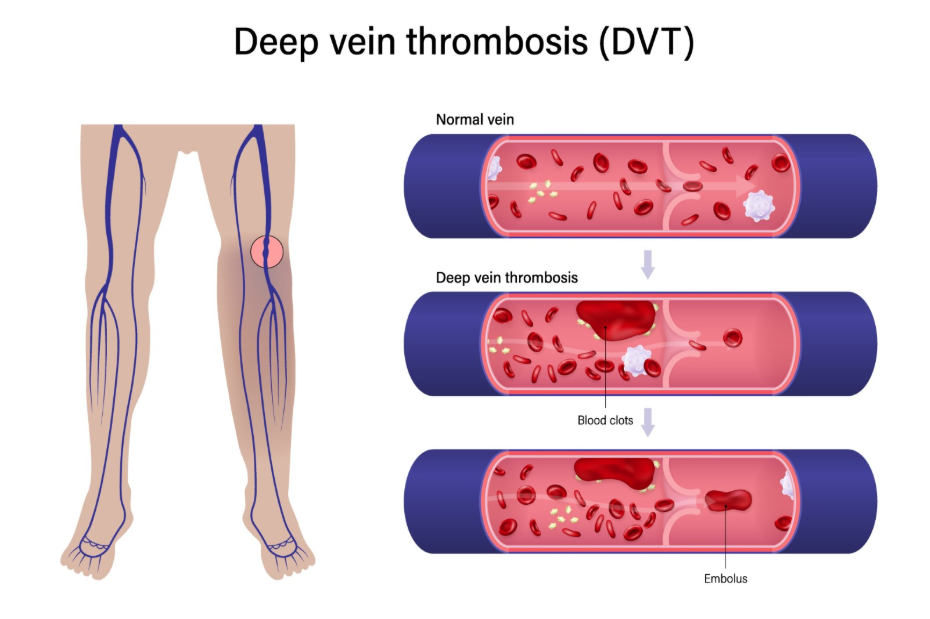
As the venous pressure increases, the sequence of fluid accumulation leads to visible oedema in the affected limb. Identifying these regional markers helps the multidisciplinary team provide a secure environment for health maintenance. In the UK, the focus is on providing a safe and accurate understanding of the individual functional capability across different life stages. This professional oversight is essential for building long-term health wellbeing through the systematic identification of circulatory triggers and the provision of specialist advice on achieving biological homeostasis during acute thrombotic events.
Transition into Pulmonary Embolism
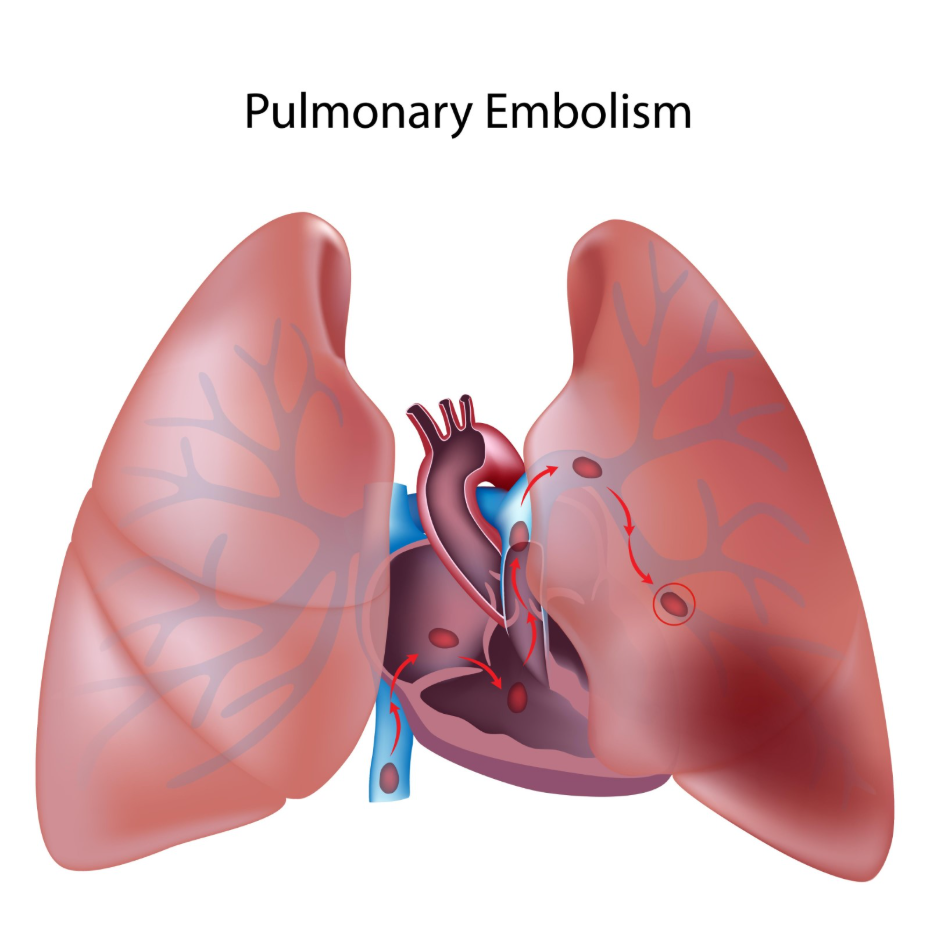
A pulmonary embolism (PE) represents the secondary and potentially life-threatening phase of VTE, occurring when a fragment of a DVT breaks away and travels to the lungs. In the United Kingdom, healthcare professionals identify this as an embolic event where the heart pumps the mobile clot into the pulmonary arteries, where it becomes lodged and restricts oxygen exchange. The GOV.UK health pages provide clinical profiles indicating that the monitoring of biological markers for pulmonary embolism is a priority for ensuring integrated support through national safety programmes.
| VTE Component | Biological Location | Primary Clinical Sign |
| Deep Vein Thrombosis | Deep veins of the leg or pelvis. | Unilateral leg swelling and pain. |
| Pulmonary Embolism | Pulmonary arteries in the lungs. | Sudden breathlessness and chest pain. |
When the clot obstructs pulmonary blood flow, the sequence of events can lead to rapid respiratory distress. In the UK, the focus is on providing a stable foundation for the individual to move forward with self-understanding of their physical state. The NHS ensures that adults have a consistent point of contact for their health needs while they navigate recovery from respiratory issues. By utilised these integrated pathways, the healthcare system provides a secure environment for building long-term health wellbeing across the UK population. This integrated approach ensures that every person functional capability is respected and that VTE triggers are addressed through coordinated medical observation within the national framework.
Shared Risk Factors and Triggers
VTE is initiated by a set of shared risk factors that promote blood stasis, vessel damage, or changes in blood chemistry, collectively known as Virchow’s Triad. In the United Kingdom, healthcare professionals identify that prolonged immobility, recent major surgery, and underlying health conditions are the most common triggers for the development of both DVT and PE.
Risk factors monitored in the UK include:
- Immobility: Long periods of bed rest or travel exceeding four hours.
- Surgical Procedures: Particularly orthopaedic operations on the hips or knees.
- Hospital Admission: Being unwell and less active for several days.
- Health History: A personal or family history of previous blood clots.
- Hormonal Factors: Pregnancy or the use of specific hormonal medications.
- Active Malignancy: Certain cancers increasing the thickness of the blood.
- Lifestyle Factors: Significant dehydration or smoking which damages vessel linings.
In the UK, the focus is on providing a stable foundation for the individual to move forward with self-understanding. The NHS ensures that adults and children have a consistent point of contact for their health needs. By utilised these integrated pathways, the healthcare system provides a secure environment for building long-term health wellbeing across the UK population. These strategies aim to work with the individual’s biology to restore stability through the consistent clinical control of their environment and the systematic identification of the mechanical triggers of the circulatory system.
Standard UK Protocols for Diagnostic Investigation
The United Kingdom healthcare system utilise a sequence of investigative protocols, including blood tests and specialised medical imaging, for any individual presenting with symptoms of VTE. In the United Kingdom, healthcare professionals focus on ensuring that suspected clots are investigated systematically to achieve biological homeostasis and provide an accurate physiological understanding of the vascular system state.
Investigative steps in the UK include:
- Wells Score: A points-based assessment tool to estimate the probability of VTE.
- D-dimer Test: A blood test that identifies fragments of dissolved clots.
- Ultrasound Scan: Visualising the leg veins to confirm the presence of a DVT.
- CT Pulmonary Angiogram: A detailed scan used to identify clots in the lung vessels.
- Anticoagulant Therapy: Using medication to prevent the clot from growing or moving.
- Active Surveillance: Scheduled monitoring during clinical reviews to ensure stability.
- Specialist Referral: Consulting with haematology or vascular teams for complex cases.
In the UK, the focus is on providing a stable foundation for the individual to move forward with self-understanding. The NHS ensures that adults and children have a consistent point of contact for their health needs. By utilised these integrated pathways, the healthcare system provides a secure environment for building long-term health wellbeing across the UK population. These strategies aim to work with the individual’s biology to restore stability through the consistent clinical control of their circulatory health and the promotion of a sustainable lifestyle within a validated medical environment.
Conclusion
Venous thromboembolism follows a sequence of biological events that connect a localized clot in the leg with a potential blockage in the lungs within the established UK healthcare framework. The NHS and professional bodies provide a robust system of multidisciplinary assessments to help individuals achieve stability and resilience throughout their health journey. By focusing on both the consistent monitoring of circulatory health and the recognition of red flags, the system promotes the highest possible level of independence. Following a coordinated management plan with the help of medical experts ensures that unique adult needs are addressed holistically.
If you experience severe, sudden, or worsening symptoms, call 999 immediately.
Is VTE the same thing as a blood clot?
In the UK, VTE specifically refers to blood clots that form in the veins (DVT) and may travel to the lungs (PE).
Can you have VTE without any leg swelling?
Yes; in the UK, some people may develop a pulmonary embolism as their first symptom, even if a DVT in the leg was not obvious.
How are DVT and PE treated differently?
In the UK, both are primarily managed with anticoagulant medication, though a PE may require more intensive respiratory support or hospitalisation.
Why is VTE considered a medical emergency?
In the UK, it is prioritised because a pulmonary embolism can suddenly block blood flow and oxygen, requiring immediate clinical intervention.
Can I get VTE from a long car journey?
In the UK, sitting still for more than four hours can slow your blood flow, which initiated a higher risk of forming a clot.
Does VTE always cause permanent damage?
In the UK, while early treatment prevents most damage, some people develop long-term leg swelling or lung issues following a VTE event.
Who should I talk to if I am worried about blood clots?
The first point of contact in the United Kingdom is your GP or 111 for an urgent clinical assessment and to determine if investigations are needed.
Authority Snapshot (E-E-A-T)
This article provides medically factual health education regarding venous thromboembolism and its connection to DVT and PE, strictly aligned with NHS and NICE clinical guidelines. The content is developed by a professional medical writing team and reviewed by Dr. Stefan Petrov, a UK-trained physician with experience in general medicine, surgery, anaesthesia, ophthalmology, and emergency care. All information follows current UK public health protocols to ensure clinical accuracy and patient safety.



