




Entering a specialist consultation regarding hair loss can feel overwhelming, but being prepared with specific, clinical questions ensures you receive a treatment plan that is both safe and effective. In the UK, a dermatologist’s role is to move beyond cosmetic quick fixes and provide a diagnosis based on the biological state of your scalp and follicles. Asking the right questions helps you understand the long-term commitment, potential risks, and realistic expectations of any proposed medical intervention.
What We’ll Discuss in This Article
- Questions to confirm an accurate diagnosis
- Understanding the biological mechanism of proposed treatments
- Clarifying the timeline for visible results and maintenance
- Evaluating the risk of side effects and monitoring requirements
- Discussing the cost and accessibility of treatments in the UK
- Preparing for the diagnostic tests your specialist may suggest
Confirming the Diagnosis
Before discussing treatments, you must ensure the underlying cause is correctly identified. Hair loss is a symptom, not a single disease.
Key Questions:
- “Based on your examination, what is the specific medical name for my hair loss?”
- “Do you see signs of inflammation or scarring on my scalp?”
- “Is my hair loss a primary condition, or is it a symptom of an internal health issue?”
- “Do I need a scalp biopsy or specific blood tests to confirm this diagnosis?”
In the UK, the British Association of Dermatologists recommends that a clinical diagnosis should always precede the start of any prescription medication to ensure the treatment is appropriate for the type of loss.
Understanding the Treatment Plan
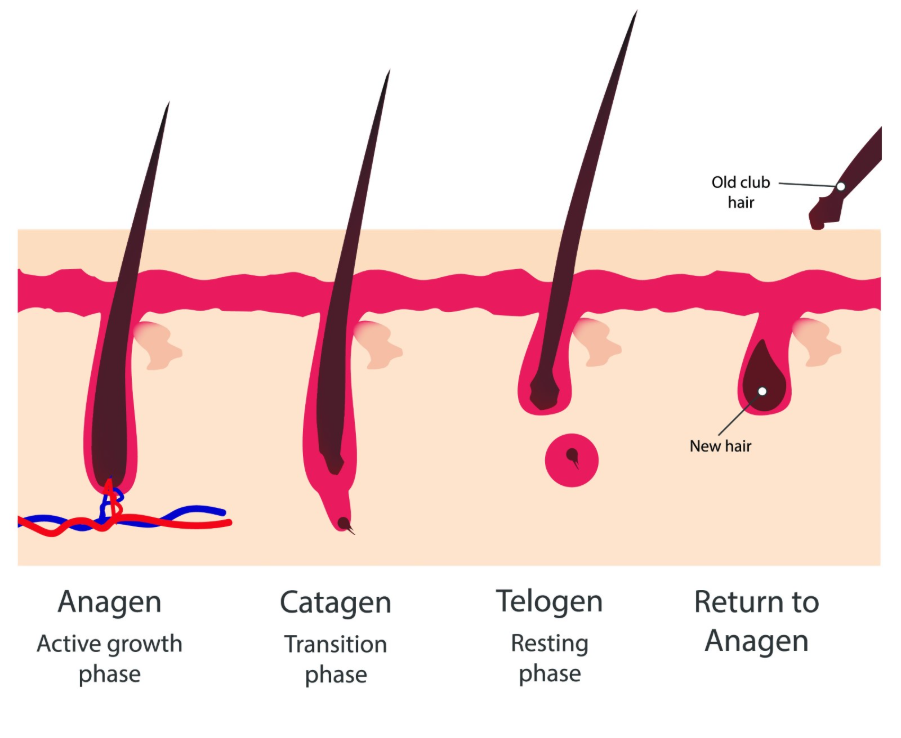
Once a diagnosis is made, your dermatologist will suggest a pathway. It is vital to understand how these treatments interact with your hair growth cycle.
Key Questions: 5. How does this specific medication or procedure work at the follicular level? 6. Will this treatment regrow lost hair, or is it designed to preserve what I currently have? 7. Are there any topical or oral medications I should avoid while using this treatment?”
Managing Expectations and Timelines
Hair loss treatments in the UK are notorious for taking time to show results. You need to know when to judge the success of the plan.
Key Questions: 8. How many months of consistent use are required before I see a visible change? 9. Should I expect an initial ‘shedding phase’ when I start this medication? 10. If I stop this treatment in the future, what will happen to my hair?”
Safety, Side Effects, and Monitoring
All medical treatments for hair loss carry potential risks. Being proactive about safety is essential for long-term health.
Key Questions: 11. What are the most common side effects, and what are the rare but serious ones? 12. How will we monitor my health (e.g., blood tests, mood checks) while I am on this medication? 13. Are there any long-term health risks associated with using this treatment for many years?”
Practical and Financial Considerations
Many hair loss treatments in the UK are considered cosmetic and are not covered by the NHS, so you must understand the financial commitment.
Key Questions: 14. Is this treatment available on an NHS prescription, or will I need a private one? 15. What is the estimated monthly or annual cost for this treatment plan? 16. If this first-line treatment fails, what are our next-step options?”
Conclusion
Preparing a list of questions for your dermatologist is a vital step in taking control of your hair health. By focusing on the diagnosis, the biological mechanism of the treatment, and the safety monitoring involved, you ensure that your management plan is grounded in clinical evidence rather than marketing promises. In the UK healthcare system, an informed patient is better equipped to navigate the complexities of hair restoration and achieve a result that is both sustainable and safe. Remember that your dermatologist is your partner in this process; clear communication at the start leads to the best long-term outcomes. If you experience severe, sudden, or worsening symptoms, call 999 immediately.
Should I bring photos of my hair to the appointment?
Yes, clear photos of your hair from six months or a year ago can help the dermatologist assess the rate of progression.
Can I ask for a second opinion?
Absolutely. If you are unsure about a diagnosis or a high-risk treatment, you have the right to seek a second opinion from another UK specialist.
Will the dermatologist check my blood work?
Most UK specialists will want to see recent blood tests for iron (ferritin), Vitamin D, and thyroid function to rule out systemic triggers.
Should I mention my current supplements?
Yes, it is essential to disclose all vitamins and minerals you take, as some (like Biotin) can interfere with clinical blood test results.
Is it okay to ask about the success rate?
Yes, you should ask what percentage of patients with your specific condition see a significant improvement with the suggested treatment.
Do I need to see a GP before a private dermatologist?
While not always required for private clinics, a GP referral is necessary for NHS specialist care and ensures your medical records are kept up to date.
What is a trichoscope?
It is a specialised magnifying tool used by dermatologists to see the scalp and hair follicles in high detail. Ask if they will be using one during your exam.
Authority Snapshot (E-E-A-T)
This article examines the clinical consultation process for hair loss and is intended for informational and educational purposes. The content has been reviewed by Dr. Stefan Petrov, a UK-trained physician, to ensure accuracy and safety. All recommendations and patient safety standards are aligned with the guidelines maintained by the NHS and the British Association of Dermatologists.



