




Recognising the signs of deteriorating liver health is essential for patients with chronic liver disease, as a shift from stable to unstable condition often requires prompt medical intervention. The liver is an organ capable of compensating for damage for long periods, but once it reaches a threshold of exhaustion, specific physical and cognitive changes begin to emerge. In the United Kingdom, healthcare professionals categorise these changes as signs of decompensation in cirrhosis or progression in liver cancer. These indicators reflect the organ’s inability to perform its vital roles in filtration, protein synthesis, and metabolic regulation. Because many symptoms of advanced liver disease overlap, clinical monitoring is used to differentiate between the natural progression of scarring and the development of new malignant growths. Understanding these warning signs allows patients and their families to communicate effectively with their specialist teams and ensures that the care plan is adjusted to meet the evolving needs of the patient’s health.
What We’ll Discuss in This Article
- The development and worsening of jaundice in the skin and eyes.
- Indicators of fluid accumulation in the abdomen and lower limbs.
- Cognitive changes and confusion related to toxin buildup in the blood.
- Physical signs of internal bleeding and circulatory changes.
- Systemic indicators such as unexplained weight loss and extreme fatigue.
- The role of regular NHS surveillance in identifying silent progression.
Jaundice and Changes in Skin Pigmentation
The onset or deepening of jaundice is a primary indicator that liver function is declining, as it signifies that the organ can no longer process bilirubin effectively. Bilirubin is a yellow pigment produced during the normal breakdown of red blood cells, which a healthy liver filters and excretes. The NHS states that jaundice causes yellowing of the skin and the whites of the eyes, and it can be a sign of advanced liver damage or a tumour blocking the bile ducts.
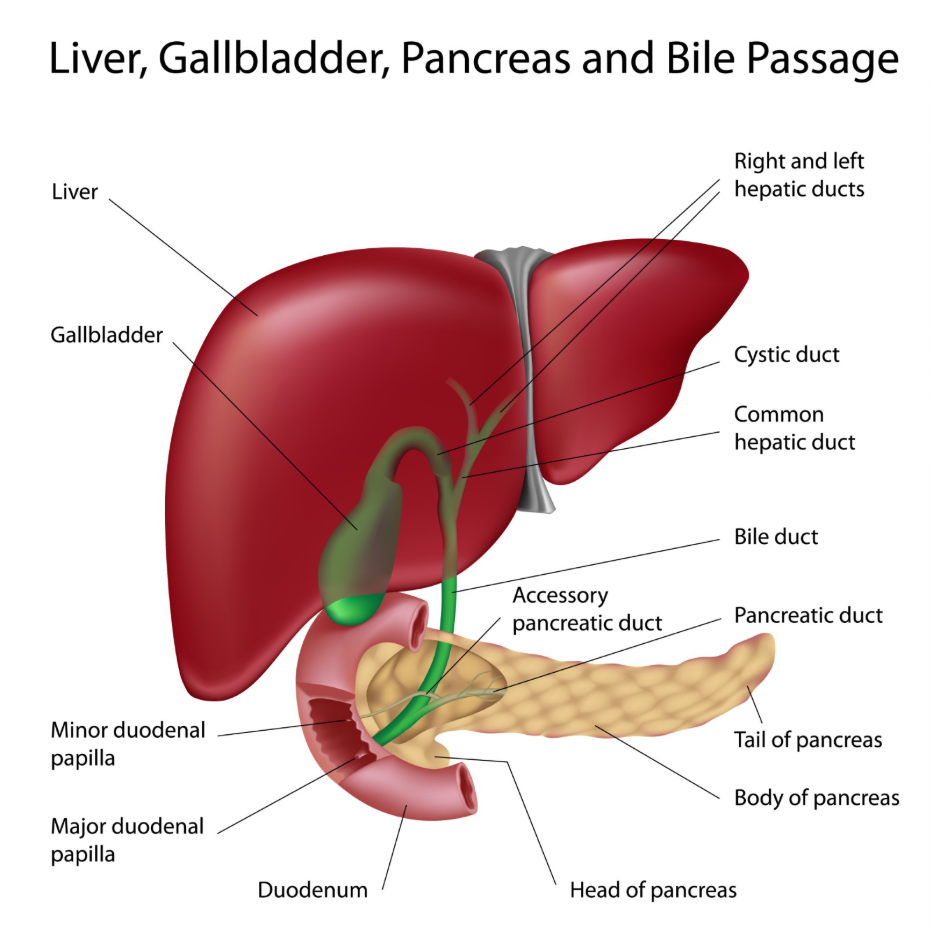
As liver disease worsens, the yellowing may become more pronounced and may be accompanied by intense itching, known as pruritus, caused by the buildup of bile salts under the skin. Patients may also notice that their urine becomes very dark, resembling tea or cola, while their stools become pale or clay coloured. These changes suggest that bile is not flowing correctly into the digestive tract, either due to extensive scarring within the liver or a physical obstruction caused by a growing tumour.
Accumulation of Fluid in the Abdomen and Legs
A noticeable increase in abdominal swelling or swelling in the legs and ankles is a clinical sign that cirrhosis is progressing toward a decompensated state. This accumulation of fluid, known as ascites in the abdomen and oedema in the limbs, occurs when the liver fails to produce enough albumin and when pressure builds up in the portal vein.
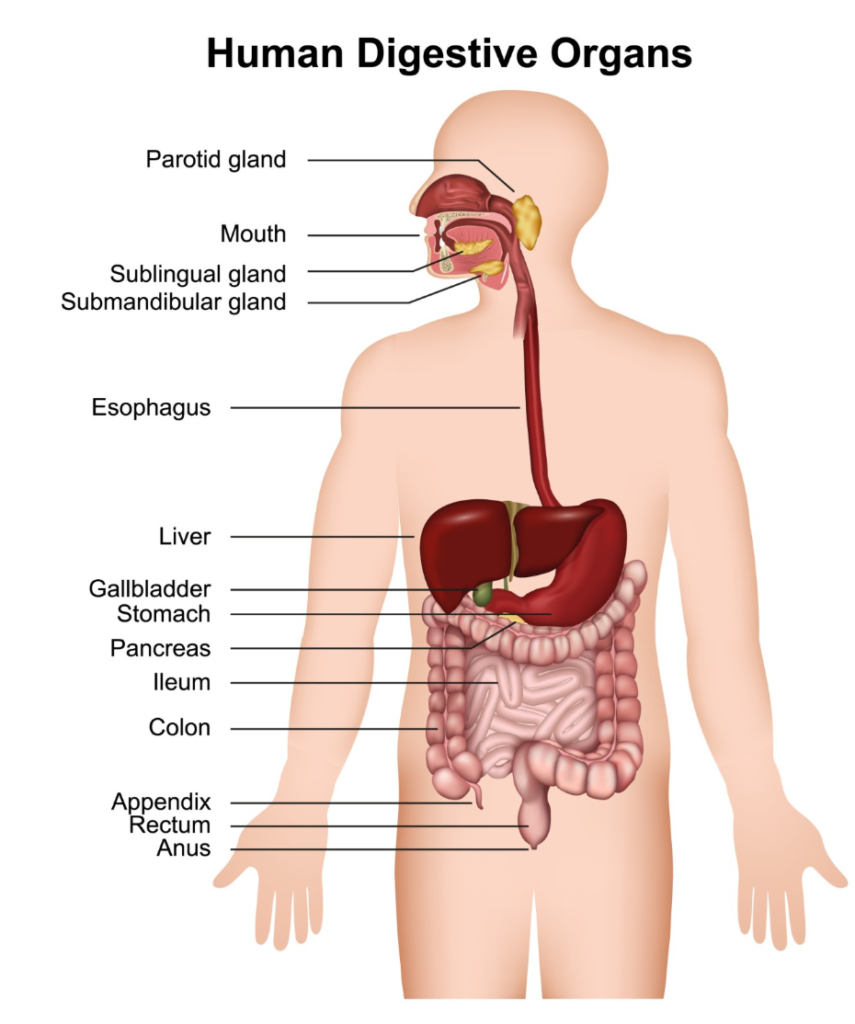
If the abdomen becomes rapidly larger, it can cause discomfort, a feeling of persistent fullness, and even shortness of breath as the fluid presses against the diaphragm. In the context of liver cancer, a sudden increase in fluid that does not respond to usual diuretic medications may indicate that a tumour is further obstructing blood flow or that the liver’s synthetic function has taken a significant hit. NICE clinical guidelines indicate that new or worsening ascites in a patient with known cirrhosis is a major indicator of a decline in liver stability.
Cognitive Changes and Hepatic Encephalopathy
Changes in mental clarity, sleep patterns, or personality can indicate that the liver is no longer filtering toxins like ammonia from the blood, allowing them to affect the brain. This condition, called hepatic encephalopathy, often starts with subtle signs such as being slightly more forgetful, irritable, or having a reversed sleep cycle where the patient is awake at night and sleepy during the day.
| Stage of Change | Common Signs |
| Early | Mild confusion, shortened attention span, irritability. |
| Intermediate | Slurred speech, lethargy, obvious disorientation. |
| Advanced | Severe confusion, agitation, or losing consciousness. |
As the condition worsens, the confusion becomes more obvious, and the patient may develop a characteristic “flapping” tremor of the hands when the arms are extended. In liver cancer, a sudden onset of these symptoms can be a sign of rapid deterioration in the surrounding cirrhotic tissue. These neurological shifts are serious indicators that the liver’s filtration capacity has reached a critical low.
Signs of Internal Bleeding and Circulatory Stress
Physical signs of internal bleeding, such as vomiting blood or passing black, tarry stools, are emergency indicators that cirrhosis has caused significant pressure changes in the liver’s blood vessels. This pressure, known as portal hypertension, forces blood into fragile veins in the food pipe or stomach, which can swell and burst.
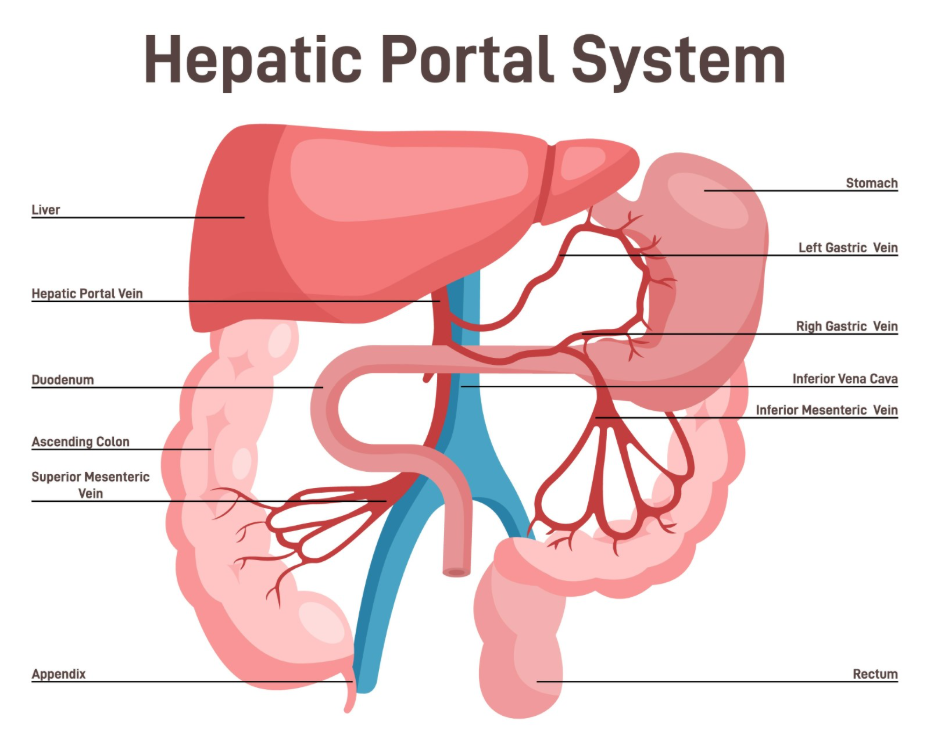
Other circulatory signs of worsening disease include the appearance of small, red, spider like blood vessels on the chest or arms, known as spider naevi, and a reddening of the palms of the hands. If a patient begins to bruise very easily or finds that minor cuts take a long time to stop bleeding, it suggests the liver is failing to produce the proteins necessary for blood clotting. These changes are often monitored closely by UK specialist teams to prevent life threatening haemorrhages.
Systemic Decline: Weight Loss and Fatigue
Unexplained weight loss and a profound, persistent lack of energy are often signs that liver cancer is progressing or that the body’s metabolic resources are being exhausted by advanced cirrhosis. While fluid buildup can sometimes mask weight loss on the scales, the loss of muscle mass in the arms, legs, and temples is usually visible.
This wasting, known as cachexia, occurs because the liver can no longer regulate energy stores effectively, and a growing tumour may consume significant amounts of the body’s nutrients. Extreme fatigue that does not improve with rest can also be a sign of worsening disease, often exacerbated by anaemia or the systemic inflammation associated with malignancy. The GOV.UK health pages highlight that monitoring nutritional status and energy levels is a vital part of managing chronic liver disease.
Conclusion
Signs that cirrhosis or liver cancer are worsening include the development of jaundice, increased fluid retention in the abdomen, and changes in cognitive function or mental clarity. Physical indicators like internal bleeding or unexplained weight loss also signify a significant decline in the liver’s ability to support the body’s metabolic needs. Regular clinical surveillance and blood tests remain the most reliable way to identify these changes before they become severe. Consistent communication with a specialist team ensures that management plans are adjusted as the disease progresses. If you experience severe, sudden, or worsening symptoms, call 999 immediately.
Why does my memory seem worse if my liver is the problem?
When the liver fails to filter toxins like ammonia, they build up in the blood and can affect your brain, causing confusion or forgetfulness.
Is a swollen tummy always a sign of cancer?
No, swelling (ascites) is a common sign of worsening cirrhosis, though a sudden increase always needs to be checked by a doctor.
Why have my eyes turned yellow?
Yellowing is called jaundice and happens when your liver can no longer process bilirubin, a substance from old red blood cells.
What does dark urine mean in liver disease?
Dark urine is often a sign of high bilirubin levels, suggesting that the liver or bile ducts are not functioning correctly.
Can weight loss be a sign of a liver tumour?
Yes, unexplained weight loss and loss of appetite are common indicators that a tumour may be growing or that cirrhosis is advancing.
Why do I bruise so easily now?
A scarred liver produces fewer of the proteins needed for your blood to clot, making you more prone to bruising and bleeding.
How often should I be checked for these signs?
In the UK, patients with cirrhosis are typically reviewed every six months with blood tests and ultrasound scans to monitor for any progression.
Authority Snapshot (E-E-A-T)
This article provides medically factual health education regarding the signs of worsening liver disease, strictly aligned with NHS and NICE clinical guidelines. The content is developed by a professional medical writing team and reviewed by Dr. Stefan Petrov, a UK-trained physician with experience across general medicine, surgery, and emergency care. All information follows current UK public health protocols to ensure accuracy and patient safety.



