




Symptoms that suggest a pulmonary embolism typically include sudden breathlessness, sharp chest pain that worsens with breathing, and a persistent cough that may produce blood. In the United Kingdom, healthcare professionals identify that these physical signs initiated a sequence of biological changes as a blood clot obstructs the pulmonary arteries. By utilised integrated NHS pathways, individuals receive a stable foundation for health maintenance through evidence-based specialist reviews focused on achieving an accurate physiological understanding of their specific profile. This coordinated effort prioritises the safety of the individual, providing a secure framework for building long-term health wellbeing through the systematic monitoring of the respiratory environment and the use of validated clinical observations within the UK healthcare framework to achieve long-term stability in a secure medical environment.
What We’ll Discuss in This Article
- Identifying sudden breathlessness as a primary biological marker.
- Characteristics of pleuritic chest pain and respiratory discomfort.
- Recognising secondary signs such as coughing and lightheadedness.
- The clinical link between deep vein thrombosis and lung clots.
- Standard UK protocols for the diagnostic investigation of suspected embolism.
- Accessing integrated UK support pathways for specialist clinical reviews.
Sudden Breathlessness and Respiratory Distress
Sudden breathlessness is the most common symptom of a pulmonary embolism and signifies that a blood clot is obstructing the flow of deoxygenated blood through the lungs. In the United Kingdom, clinical research highlights that this symptom can appear regardless of physical activity levels and initiated a sequence where the body struggles to maintain systemic oxygen saturation. The NHS states that a pulmonary embolism is a blocked blood vessel in your chest and you should call 999 if you have sudden breathlessness or chest pain.
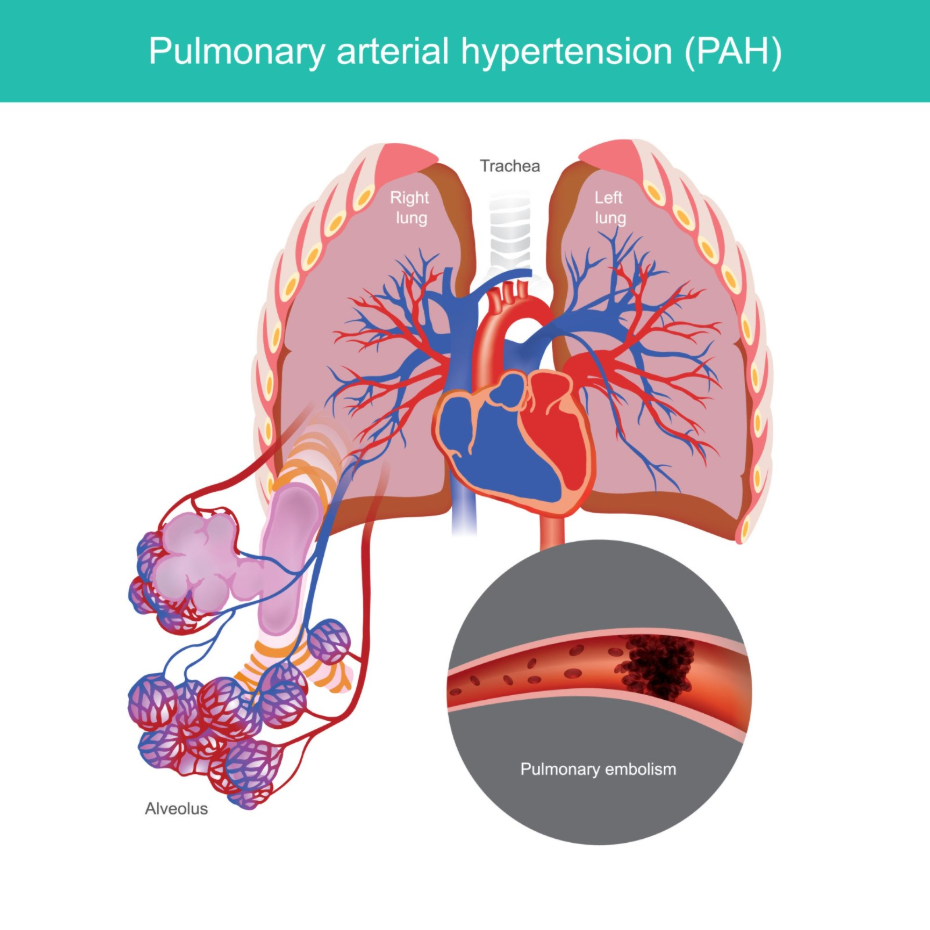
When a clot lodges in the pulmonary network, it prevents blood from reaching the small air sacs where oxygen exchange occurs. In the UK, this professional framework provides a stable foundation for the health journey by identifying that respiratory efficiency is a primary physiological health factor in systemic maintenance. By utilised these integrated pathways, the healthcare system ensures every person’s profile is supported through evidence-based understanding of their pulmonary environment. This coordinated effort focuses on maintaining biological stability and detecting the mechanical triggers of respiratory distress through regular specialist reviews to achieve long-term stability within the United Kingdom medical system.
Characteristics of Pleuritic Chest Pain
Pleuritic chest pain associated with a pulmonary embolism is typically sharp and localised, becoming noticeably worse when the individual takes a deep breath, coughs, or sneezes. In the United Kingdom, healthcare professionals identify that this discomfort is caused by inflammation of the lung lining or a lack of blood flow to specific lung segments, which requires an accurate physiological understanding through medical assessment. NICE clinical guidelines indicate that the assessment of respiratory rate and pleuritic pain is a central component of identifying pulmonary triggers to maintain systemic stability.
| Symptom Feature | Pulmonary Embolism | Musculoskeletal Pain |
| Onset | Sudden and unexplained. | Often follows injury or strain. |
| Pain Quality | Sharp, stabbing, or pleuritic. | Dull, aching, or tender to touch. |
| Effect of Breathing | Significantly worse on inspiration. | May not change with deep breaths. |
| Associated Signs | Rapid heart rate and hypoxia. | Localised tenderness over ribs. |
Identifying these regional triggers helps the multidisciplinary team provide a secure environment for health maintenance. In the UK, the focus is on providing a safe and accurate understanding of the individual functional capability across different life stages. This professional oversight is essential for building long-term health wellbeing through the systematic identification of circulatory triggers and the provision of specialist advice on achieving biological homeostasis during acute thrombotic events within the national framework.
Secondary Clinical Markers and Systemic Signs
Secondary clinical markers of a pulmonary embolism include a rapid heart rate, feeling lightheaded, and a persistent cough that might produce small amounts of blood-stained phlegm. In the United Kingdom, healthcare professionals focus on the fact that these signs represent the heart and lungs reacting to the increased pressure caused by the vascular obstruction. The GOV.UK health pages provide clinical profiles indicating that the monitoring of biological markers for respiratory rate and heart rate is a priority for ensuring integrated support.
As the heart attempts to pump blood past the clot, the sequence of physiological changes identifies the severity of the obstruction. In the UK, the focus is on providing a stable foundation for the individual to move forward with self-understanding of their physical state. The NHS ensures that adults have a consistent point of contact for their health needs while they navigate any changes in their respiratory health. By utilised these integrated pathways, the healthcare system provides a secure environment for building long-term health wellbeing across the UK population. This integrated approach ensures that every person functional capability is respected and that clotting triggers are addressed through coordinated medical observation within the national framework.
The Link with Deep Vein Thrombosis Symptoms
Pulmonary embolism symptoms are frequently accompanied by signs of deep vein thrombosis in the leg, as most lung clots originate from a detached thrombus in the lower limbs. In the United Kingdom, healthcare professionals identify that individuals presenting with respiratory distress should also be assessed for unilateral leg swelling, heat, or redness, which signify the primary source of the embolic event.
Factors monitored during clinical review in the UK include:
- Unilateral Leg Swelling: One calf or thigh noticeably larger than the other.
- Calf Tenderness: Pain that increases when the leg is palpated or the foot flexed.
- Localised Heat: The skin over the leg feeling warm to the touch.
- Tachycardia: A heart rate that remains high even at rest.
- Syncope: Fainting or feeling very dizzy during minor physical exertion.
- Cyanosis: A blue tint to the lips or fingernails due to low oxygen levels.
- Hypotension: A significant drop in blood pressure in severe cases.
In the UK, the focus is on providing a stable foundation for the individual to move forward with self-understanding. The NHS ensures that adults and children have a consistent point of contact for their health needs. By utilised these integrated pathways, the healthcare system provides a secure environment for building long-term health wellbeing across the UK population. These strategies aim to work with the individual’s biology to restore stability through the consistent clinical control of their environment and the systematic identification of the mechanical triggers of the circulatory system within the national framework.
Standard UK Protocols for Diagnostic Investigation
The United Kingdom healthcare system utilise a sequence of investigative protocols, including specialised scans and blood tests, for any individual presenting with symptoms suggestive of a lung clot. In the United Kingdom, healthcare professionals focus on ensuring that suspected embolism is investigated systematically to achieve biological homeostasis and provide an accurate physiological understanding of the vascular system state.
Investigative steps in the UK include:
- D-dimer Test: A blood test that identifies fragments of dissolved clots in the blood.
- CT Pulmonary Angiogram: A specialised scan to visualise the blood vessels in the lungs.
- Ventilation-Perfusion Scan: Measuring the flow of air and blood through lung tissue.
- Electrocardiogram (ECG): Checking for heart strain caused by pulmonary pressure.
- Arterial Blood Gas: Measuring the exact oxygen and carbon dioxide levels in the blood.
- Anticoagulant Therapy: Using medication to prevent the clot from growing or moving.
- Active Surveillance: Scheduled monitoring during clinical reviews to ensure stability.
In the UK, the focus is on providing a stable foundation for the individual to move forward with self-understanding. The NHS ensures that adults and children have a consistent point of contact for their health needs. By utilised these integrated pathways, the healthcare system provides a secure environment for building long-term health wellbeing across the UK population. These strategies aim to work with the individual’s biology to restore stability through the consistent clinical control of their circulatory health and the promotion of a sustainable lifestyle within a validated medical environment.
Conclusion
Symptoms of pulmonary embolism follow a sequence of physiological changes that require prompt clinical assessment to maintain respiratory health within the established UK healthcare framework. The NHS and professional bodies provide a robust system of multidisciplinary assessments to help individuals achieve stability and resilience throughout their health journey. By focusing on both the consistent monitoring of circulatory health and the recognition of red flags, the system promotes the highest possible level of independence. Following a coordinated management plan with the help of medical experts ensures that unique adult needs are addressed holistically.
If you experience severe, sudden, or worsening symptoms, call 999 immediately.
Can I have a pulmonary embolism if I don’t have chest pain?
In the UK, specialists explain that sudden breathlessness can be the only symptom in some cases, even without associated chest pain.
Why does a pulmonary embolism make my heartbeat fast?
In the UK, clinicians explain that the heart beats faster to try and force blood past the obstruction and maintain oxygen levels.
Is a cough always a sign of a lung clot?
In the UK, while a cough is common, it is usually accompanied by breathlessness or pain when it suggests a pulmonary embolism.
Will an X-ray show a pulmonary embolism?
In the UK, a standard chest X-ray is often normal in early cases; a specialised CTPA scan is required to see the actual clot.
Can a pulmonary embolism feel like a panic attack?
In the UK, because both cause breathlessness and a fast heart rate, an urgent medical assessment is required to rule out a vascular event.
What does it mean if I cough up blood?
In the UK, coughing up blood is a clinical red flag that can signify lung tissue damage and requires immediate investigation by a healthcare professional.
Who should I talk to if I have sudden breathlessness and chest pain?
The first point of contact in the United Kingdom is 999 or your local emergency department for an urgent clinical assessment.
Authority Snapshot (E-E-A-T)
This article provides medically factual health education regarding the symptoms of pulmonary embolism, strictly aligned with NHS and NICE clinical guidelines. The content is developed by a professional medical writing team and reviewed by Dr. Stefan Petrov, a UK-trained physician with experience in general surgery, emergency care, and intensive care. All information follows current UK public health protocols to ensure clinical accuracy and patient safety.



