




Colon polyps are small growths on the inner lining of the large intestine that often develop without causing any noticeable symptoms. While many polyps remain benign, some types have the potential to undergo cellular changes that could lead to bowel cancer if they are not identified and removed. In the United Kingdom, healthcare professionals prioritise the detection of polyps through national screening programmes and diagnostic investigations. Because polyps are frequently silent, they are most often discovered during routine checks rather than as a result of physical discomfort. However, in certain cases, larger polyps or those in specific locations may cause subtle changes in bowel function or waste passage. Understanding these potential signs is essential for supporting early intervention and maintaining long-term gastrointestinal health. By being aware of these indicators, individuals can work with their healthcare teams to ensure appropriate investigations are carried out when necessary.
What We’ll Discuss in This Article
- Why the majority of colon polyps do not cause noticeable symptoms.
- Identifying changes in bowel habits that may suggest structural growths.
- The significance of rectal bleeding and microscopic blood in the stool.
- How the size and location of a polyp influence physical indicators.
- The role of iron deficiency anaemia as a secondary clinical sign.
- UK clinical pathways for investigating suspected bowel polyps.
The Asymptomatic Nature of Most Polyps
Most colon polyps do not cause any symptoms at all and are typically identified through routine screening or while investigating unrelated health issues. Because polyps grow very slowly on the inner mucosal lining, they usually do not interfere with the passage of waste or irritate the bowel wall enough to cause pain. The NHS states that bowel polyps are very common and usually do not cause any symptoms, but larger polyps may occasionally cause rectal bleeding.
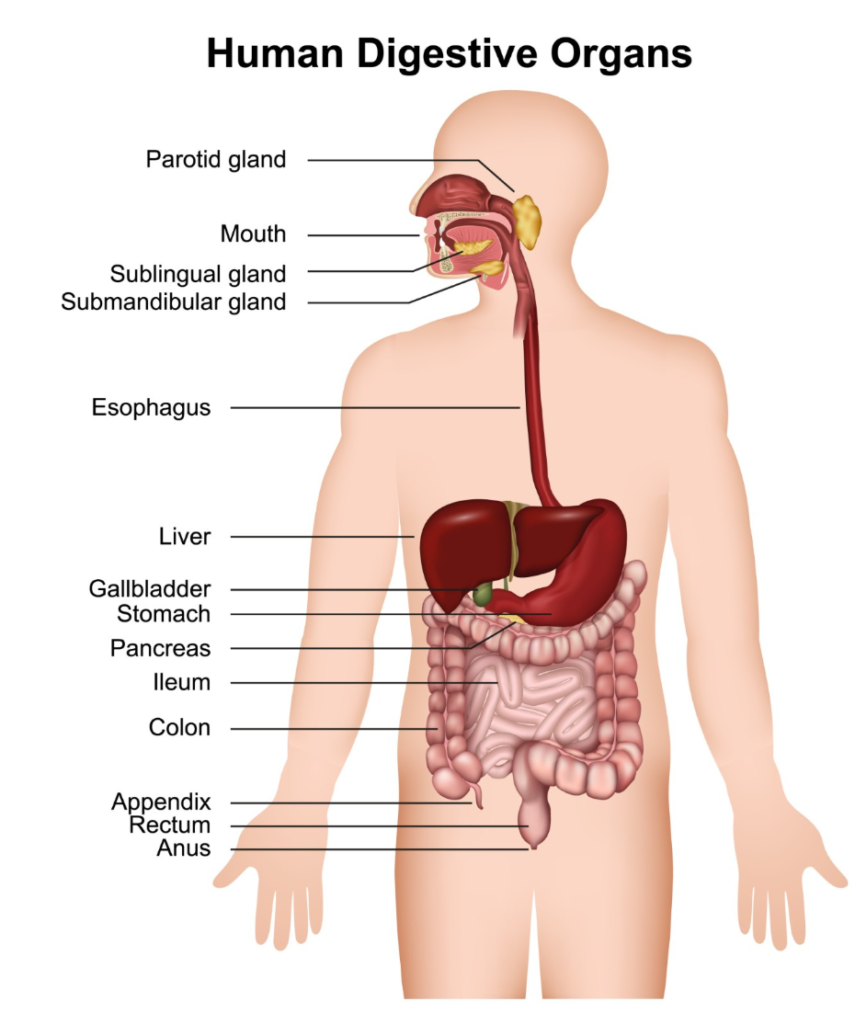
The absence of pain or discomfort is the primary reason why clinical surveillance is vital for bowel health. When a polyp is small, it remains a hidden structural change that only becomes visible during procedures like a colonoscopy or through chemical tests that detect microscopic blood. In the United Kingdom, the healthcare system is structured to find these silent growths during their early stages when they are most easily removed. Relying on the presence of symptoms for detection is generally considered unreliable because, by the time a polyp causes physical distress, it has often reached a significant size or undergone further changes.
Changes in Bowel Habits and Consistency
A persistent change in bowel habits, such as diarrhoea or constipation that lasts for several weeks, can sometimes suggest the presence of a larger polyp that is affecting the normal movement of waste. While these changes are frequently caused by dietary shifts, stress, or other functional issues, a polyp that has grown large enough to narrow the space inside the colon can disrupt the rhythmic contractions of the bowel.
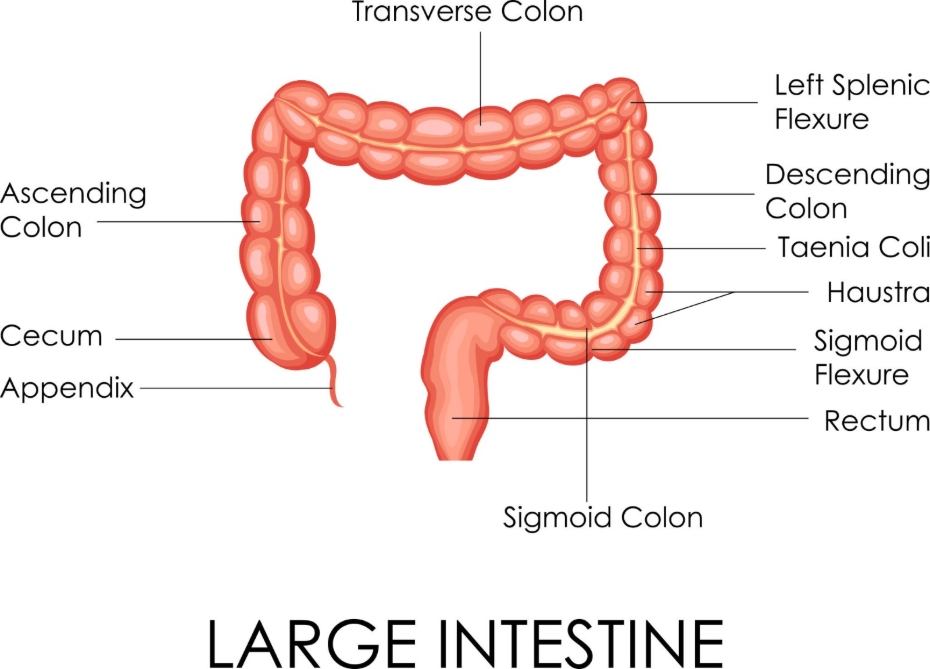
NICE clinical guidelines for colorectal cancer emphasise that unexplained changes in bowel habits or persistent blood in the stool should be investigated to rule out growths or other conditions. For example, if a polyp is located near the end of the colon, it might cause the stool to appear narrower than usual, often described as ribbon-like. Other individuals may experience a feeling that the bowel has not emptied completely after a movement. These functional disruptions are more likely to occur when a polyp is pedunculated, meaning it has a stalk and can move slightly within the bowel lumen, potentially acting as a partial or intermittent blockage.
Rectal Bleeding and Microscopic Blood
Rectal bleeding is one of the more common signs that a polyp may be present, though the blood is often not visible to the naked eye. Polyps have a delicate surface with a rich blood supply; as waste passes through the colon, it can brush against the polyp and cause it to bleed slightly. If the polyp is located in the lower part of the colon or rectum, the blood may appear bright red on the toilet paper or in the stool.
| Type of Bleeding | Clinical Description | Detection Method |
| Visible Bleeding | Bright red or dark red blood. | Observed by the individual. |
| Occult Bleeding | Microscopic amounts of blood. | Faecal Immunochemical Test (FIT). |
| Melaena | Very dark, tar-like stools. | Sign of bleeding higher in the gut. |
If the polyp is higher up in the large intestine, the blood may become mixed with the stool, making it less obvious. In many cases, the bleeding is so minimal that it can only be detected using specialised laboratory tests. This is why the UK national bowel screening programme uses the FIT kit to look for hidden blood. Detecting this occult bleeding is a primary way that healthcare providers identify patients who require further investigation, such as a colonoscopy, even if the patient feels perfectly healthy.
Abdominal Discomfort and Cramping
While rare, very large colon polyps can cause a degree of abdominal pain or cramping if they lead to a partial obstruction of the bowel. This discomfort is usually not constant but may occur after eating as the colon works to move waste past the growth. The sensation is often described as a dull ache or cramp, typically localised to the area where the polyp is situated.
Because the lining of the colon does not have the same pain-sensing nerves as the skin, the pain is usually a result of the bowel wall stretching or contracting more forcefully against a blockage. This is more common in the sigmoid colon, where the bowel is naturally narrower. If a polyp is large enough to cause significant pain, it is often accompanied by other signs such as bloating or a change in waste consistency. In UK clinical practice, persistent abdominal pain is treated as a symptom that requires a thorough review of the entire gastrointestinal tract to rule out structural obstructions.
Iron Deficiency Anaemia as a Secondary Sign
Unexplained iron deficiency anaemia can sometimes be a secondary indicator of the presence of colon polyps that are bleeding slowly and consistently over a long period. When a polyp bleeds in tiny amounts every day, the body can lose more iron than it can replace through diet. Over time, this leads to a reduction in red blood cells, which can cause symptoms such as fatigue, shortness of breath, and pale skin.
In the United Kingdom, when a patient presents with iron deficiency anaemia without a clear cause, such as a poor diet or heavy menstrual cycles, clinicians often investigate the bowel. A blood test showing low iron markers can be the first clue that a silent growth is present in the large intestine. This diagnostic pathway is particularly important for men and post-menopausal women, as new-onset anaemia in these groups is a high-priority indicator for gastrointestinal screening. Identifying the source of the iron loss through a colonoscopy allows for the removal of the polyp and the subsequent restoration of healthy blood levels.
The Role of National Bowel Screening
Because the symptoms of colon polyps are often subtle or non-existent, the UK national bowel screening programme serves as the most effective method for identifying these growths across the population. The programme is designed to find polyps before they have the chance to cause any physical distress or progress to more serious stages. The GOV.UK health pages indicate that the national bowel screening programme is designed to find polyps and early-stage bowel issues in people who do not have any symptoms.
The screening process involves a simple home test kit that individuals of a certain age receive through the post. By providing a small stool sample, the laboratory can detect the microscopic presence of blood, which is often the only sign that a polyp exists. If the test is abnormal, the individual is invited for a follow-up colonoscopy to visually inspect the bowel lining. This proactive approach ensures that polyps are managed based on biochemical evidence rather than waiting for physical symptoms to appear, which significantly improves the outcomes for bowel health in the UK.
Conclusion
Colon polyps are typically asymptomatic, but they may occasionally be suggested by rectal bleeding, changes in bowel habits, or unexplained anaemia. While most polyps are silent, larger growths can interfere with the movement of waste or cause microscopic bleeding that is detected through routine screening. In the United Kingdom, participating in national screening programmes is the most reliable way to identify these growths early. Maintaining awareness of subtle changes in bowel function is important for supporting long-term health. If you experience severe, sudden, or worsening symptoms, call 999 immediately.
Why don’t all polyps cause bleeding?
Smaller polyps may not have enough surface area or a large enough blood supply to bleed when waste passes by them.
Can polyps cause the same symptoms as haemorrhoids?
Yes, both can cause bright red blood on toilet paper, which is why it is important to have any rectal bleeding investigated by a professional.
How long must a change in bowel habits last before it is concerning?
In the UK, a change in bowel habits that lasts for three weeks or more is generally the threshold for seeking a medical review.
Is mucus in the stool a sign of polyps?
While less common, some large polyps can produce excess mucus, which may be visible in the stool or on toilet paper.
Can a healthy diet hide the symptoms of polyps?
A high-fibre diet makes waste pass more easily, which might reduce mechanical friction and make bleeding from a polyp less likely to occur.
Does the location of the polyp affect the symptoms?
Yes, polyps in the rectum are more likely to cause visible blood, while those higher up may only cause hidden blood or anaemia.
Will a normal screening test mean I definitely have no polyps?
A normal test means no blood was found at that time, but it is not a guarantee; this is why regular screening at the offered intervals is vital.
Authority Snapshot (E-E-A-T)
This article provides medically factual health education regarding the symptoms of colon polyps, strictly aligned with NHS and NICE clinical guidelines. The content is developed by a professional medical writing team and reviewed by Dr. Rebecca Fernandez, a UK-trained physician with experience in internal medicine, general surgery, and emergency care. All information follows current UK public health protocols to ensure clinical accuracy and patient safety.



