




Identifying a Hepatitis A infection requires specific clinical investigations, primarily involving blood tests that look for the body’s immune response to the virus. Because the early symptoms of the infection often resemble other common viral illnesses, diagnostic testing is essential to confirm the presence of the Hepatitis A virus and to assess how well the liver is functioning. In the United Kingdom, healthcare professionals follow established protocols to ensure that individuals with suspected liver inflammation receive accurate testing to manage the condition and prevent further transmission within the community.
What We’ll Discuss in This Article
- The primary blood tests used to identify Hepatitis A antibodies.
- The difference between IgM and IgG antibody markers.
- The role of liver function tests in assessing organ health.
- When and how the diagnostic process typically begins.
- The importance of testing for public health monitoring.
- How test results guide the management of the infection.
Primary Antibody Blood Tests for Hepatitis A
The most common method for detecting a Hepatitis A infection is a blood test that identifies specific antibodies produced by the immune system to fight the virus. These proteins, known as immunoglobulins, appear in the bloodstream at different stages of the infection and recovery process. The NHS uses these antibody tests to confirm whether a person currently has Hepatitis A or if they have been exposed to the virus in the past.

The specific test most often used during the initial illness is the Hepatitis A IgM antibody test. IgM antibodies are the first to be produced by the body when it encounters the virus and can be detected shortly after symptoms begin. If this test returns a positive result, it indicates that the individual is currently experiencing an acute infection.
Distinguishing Between IgM and IgG Markers
Clinical testing for Hepatitis A distinguishes between two types of antibodies to determine the stage of the infection. While IgM antibodies indicate a recent or active infection, another marker called the IgG antibody appears later and remains in the blood for life. Understanding the balance between these two markers allows clinicians to provide an accurate timeline of the patient’s condition.
| Antibody Type | Clinical Significance | Duration in Blood |
| Hepatitis A IgM | Indicates an active or very recent acute infection | Typically 3 to 6 months |
| Hepatitis A IgG | Indicates past infection or successful vaccination | Lifelong |
| Total Anti-HAV | Combines both IgM and IgG to check overall immunity | Dependent on status |
NICE guidelines emphasise that a positive IgG result in the absence of IgM indicates that the person is immune to Hepatitis A and cannot catch the virus again. This immunity can result from a previous natural infection or from receiving the Hepatitis A vaccine. Testing for these markers is a standard part of the diagnostic pathway for anyone presenting with symptoms of jaundice or unexplained liver distress.
The Role of Liver Function Tests (LFTs)
In addition to viral-specific antibody tests, healthcare providers perform Liver Function Tests (LFTs) to evaluate the extent of liver inflammation. These tests measure the levels of various enzymes and proteins in the blood that are released when liver cells are damaged. High levels of an enzyme called alanine aminotransferase (ALT) are particularly common during an acute Hepatitis A infection, as the virus causes temporary swelling of the liver tissue.
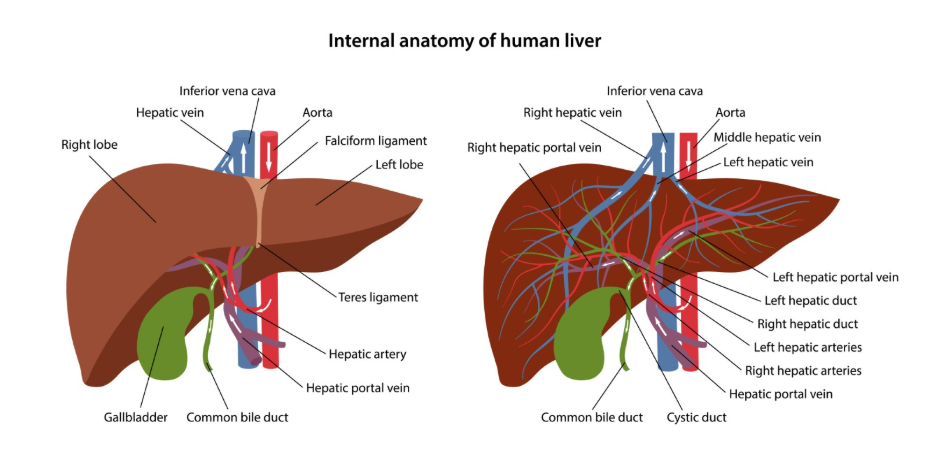
Liver function tests also measure bilirubin levels, which is the pigment responsible for the yellowing of the skin and eyes known as jaundice. While LFTs cannot specifically name Hepatitis A as the cause of the illness, they are vital for monitoring the severity of the infection and ensuring the liver is starting to heal. These tests are often repeated over several weeks to track the patient’s recovery.
Diagnostic Process and Public Health
The diagnostic process usually begins when a patient presents to their GP or a hospital with symptoms such as dark urine, pale stools, or jaundice. After a physical examination, the clinician will request the relevant blood samples to be sent to a laboratory for analysis. In the UK, Hepatitis A is a “notifiable disease,” which means that laboratory confirmed cases must be reported to local public health authorities.
The UK Health Security Agency uses this data to identify potential outbreaks and trace the source of the infection, such as contaminated food or water. This public health monitoring is essential for preventing larger clusters of the virus. Testing not only helps the individual receive the correct supportive care but also protects the wider community by allowing for the implementation of hygiene measures and the vaccination of close contacts.
Interpreting Your Test Results
When you receive your results, a healthcare professional will explain what the different markers mean for your health and recovery. A positive IgM result confirms the need for supportive care, such as rest and hydration, while the body clears the virus. Because Hepatitis A is a self-limiting infection, the primary goal of testing is confirmation rather than determining a need for intensive antiviral drugs, which are not usually required for this type of hepatitis.
If your tests show that you have IgG antibodies but no IgM, you can be reassured that you have long-term protection against the virus. If both tests are negative but you still have symptoms, your doctor will likely investigate other potential causes of liver inflammation. This thorough approach ensures that every patient receives a diagnosis based on objective laboratory evidence.
Conclusion
Tests for detecting Hepatitis A rely on identifying specific IgM and IgG antibodies in the blood, supported by liver function tests to monitor organ health. These investigations provide a clear picture of whether an infection is active or whether a person has developed lifelong immunity. Participation in the diagnostic process is vital for both individual recovery and the prevention of further transmission in the UK. If you experience severe, sudden, or worsening symptoms, call 999 immediately.
How long does it take to get Hepatitis A test results?
In most UK laboratories, antibody test results are typically available within a few days of the blood sample being taken.
Can a blood test tell me exactly when I caught the virus?
A test can show if the infection is recent (IgM positive), but it cannot pinpoint the exact day of exposure due to the long incubation period.
Do I need a follow-up test after I recover?
Your doctor may request follow-up liver function tests to ensure your enzyme levels have returned to normal once your symptoms have cleared.
Is there a stool test for Hepatitis A?
The virus can be found in stool samples, but blood tests for antibodies are the standard and most reliable method for clinical diagnosis.
Can a standard health check-up find Hepatitis A?
Routine blood tests do not usually look for Hepatitis A antibodies unless you have symptoms or a specific risk factor is identified.
What if my test is negative but I still feel unwell?
A negative result for Hepatitis A means the virus is not the cause, and your clinician will look for other causes such as other viruses or gallbladder issues.
Is the test different for children?
The blood tests for antibodies work the same way for children as they do for adults, although the clinical symptoms may be milder in younger patients.
Authority Snapshot (E-E-A-T)
This article provides medically factual health education regarding Hepatitis A testing, strictly aligned with NHS and NICE clinical guidelines. The content is developed by a professional medical writing team and reviewed by Dr. Stefan Petrov, a UK-trained physician with experience in general medicine, surgery, and emergency diagnostics. All information is based on current UK public health protocols to ensure clinical accuracy and patient safety.



