




Chronic Hepatitis B is a long-term liver infection that requires careful clinical management and, for many individuals, ongoing antiviral therapy to suppress the virus and prevent serious complications. While there is currently no curative treatment that eliminates the virus entirely from the body, modern medical interventions are highly effective at controlling viral replication and protecting the liver from progressive damage. In the United Kingdom, healthcare professionals follow evidence-based protocols to determine when a patient should begin medication, focusing on reducing the risk of liver scarring and primary liver cancer. The approach to treatment is personalised, involving regular monitoring of viral activity and liver function to ensure the best possible health outcomes for those living with the virus.
What We’ll Discuss in This Article
- The primary goals of medical intervention for chronic Hepatitis B.
- Common antiviral medications prescribed within the NHS.
- The role of immune-modulating therapies like peginterferon.
- How clinical teams decide the appropriate time to start treatment.
- Long-term monitoring requirements for patients on medication.
- The importance of lifestyle choices in supporting liver health.
Core Objectives of Hepatitis B Treatment
Treatment for chronic Hepatitis B focuses on suppressing the virus to undetectable levels in the bloodstream to halt the progression of liver inflammation and scarring. By keeping the viral load low, the body’s immune system is less likely to trigger the inflammatory response that leads to fibrosis and eventually cirrhosis. The NHS notes that while most people with chronic hepatitis B will need to take medication for many years, treatment is very successful at preventing serious liver disease.
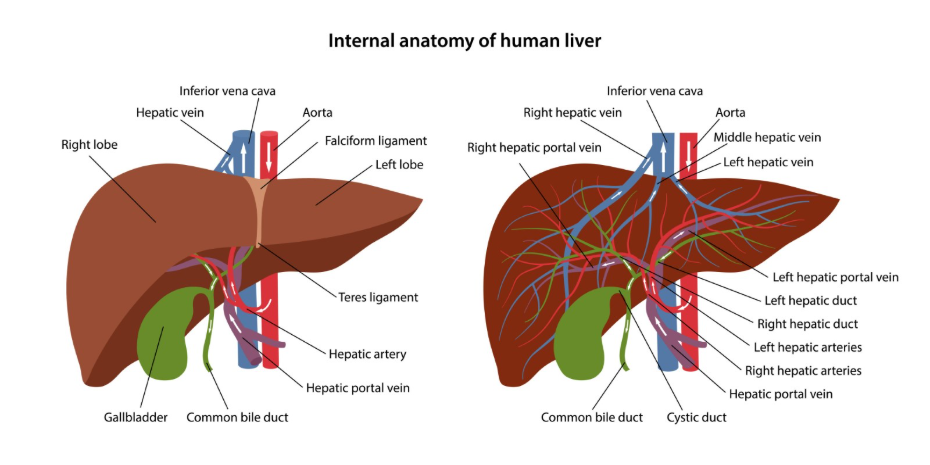
Successful management also significantly reduces the risk of developing hepatocellular carcinoma, which is the most common form of primary liver cancer. Even when the virus cannot be fully eradicated, keeping it in a dormant state allows individuals to lead healthy lives and reduces the likelihood of passing the infection to others. Treatment decisions are made by specialists after assessing a variety of factors, including the patient’s age, viral load, and the current health of their liver tissue.
Oral Antiviral Medications
The most common treatment for chronic Hepatitis B in the UK involves daily oral tablets known as nucleoside or nucleotide analogues. These medications work by interfering with the enzyme the virus uses to replicate its DNA, effectively stopping the production of new viral particles. Because they target the virus directly and have a high barrier to resistance, they are often the preferred choice for long-term management.
Commonly prescribed oral antivirals include entecavir and tenofovir. These drugs are generally well-tolerated and have a low risk of side effects, making them suitable for many years of continuous use. NICE clinical guidelines recommend these specific antiviral agents as first-line treatments because of their proven ability to maintain viral suppression over many years. Patients must take these tablets at the same time every day to prevent the virus from becoming resistant to the medication.
Immune-Modulating Therapy: Peginterferon
In specific cases, a specialist may recommend a course of peginterferon alfa-2a, which is an injectable medication that stimulates the body’s own immune system to fight the virus. Unlike oral tablets, peginterferon is typically administered for a fixed duration, usually 48 weeks. This therapy aims to achieve a “functional cure,” where the immune system remains able to control the virus even after the medication is stopped.
Peginterferon is not suitable for everyone, particularly those who already have significant liver scarring or certain mental health conditions. It can also cause flu-like side effects, such as fatigue, fever, and muscle aches, during the treatment period. However, for younger patients or those with specific viral characteristics, it offers the possibility of completing treatment within a year rather than requiring lifelong medication. The decision to use peginterferon is based on a detailed clinical assessment of the patient’s likelihood of responding to the therapy.
Determining When to Start Treatment
Not everyone with a chronic Hepatitis B infection requires immediate medication; instead, many patients enter a phase of clinical monitoring. Specialists use blood tests to measure the Hepatitis B DNA level (viral load) and the levels of liver enzymes like alanine aminotransferase (ALT), which indicate the degree of liver inflammation. If the viral load is high and liver enzymes are elevated, it suggests the virus is actively causing damage and treatment is usually initiated.
| Clinical Indicator | Treatment Usually Recommended | Monitoring Often Continued |
| Viral Load (DNA) | High levels | Low or undetectable levels |
| Liver Enzymes (ALT) | Persistently elevated | Normal levels |
| Liver Scarring | Evidence of fibrosis or cirrhosis | No significant scarring |
| Family History | History of liver cancer | No history of liver complications |
Specialists also use non-invasive scans, such as a FibroScan, to assess the stiffness of the liver. If the scan shows significant scarring, treatment is often prioritised regardless of the current viral load. This proactive approach ensures that the liver is protected before irreversible damage occurs. Patients who do not meet the criteria for starting medication are monitored every six to twelve months to detect any changes in viral activity.
Long-Term Monitoring and Support
Once treatment has started, regular clinical follow-up is essential to ensure the medication is effective and to monitor for any rare side effects. Blood tests are performed every few months to check that the viral load is decreasing or remains undetectable. For certain medications, the clinical team may also monitor kidney function or bone density, as these can occasionally be affected by long-term antiviral use.
The UK Health Security Agency provides guidance on the long-term surveillance of individuals with chronic hepatitis B, particularly focusing on the regular screening for liver cancer in those at higher risk. This screening usually involves an ultrasound scan of the liver every six months. Monitoring is a lifelong commitment for most patients with chronic Hepatitis B, ensuring that any new developments are caught early and that the treatment plan remains optimal for their changing health needs.
The Role of Lifestyle in Liver Health
While medications are the primary tool for managing Hepatitis B, lifestyle choices play a significant role in supporting liver health and preventing additional stress on the organ. Individuals with chronic Hepatitis B are strongly advised to avoid or significantly limit alcohol consumption, as alcohol can accelerate liver scarring and increase the risk of cancer. Maintaining a healthy weight and eating a balanced diet also helps prevent non-alcoholic fatty liver disease, which can complicate the management of viral hepatitis.
Being cautious with other medications is also important. Some over-the-counter drugs, herbal supplements, and traditional remedies can be harmful to an inflamed liver or may interact with antiviral medications. Patients should always consult their clinical team before starting any new treatments or supplements. By combining medical therapy with healthy lifestyle habits, patients can maximise their chances of maintaining good liver function throughout their lives.
Conclusion
Chronic Hepatitis B is managed in the UK through a combination of antiviral medications, immune-modulating therapies, and consistent clinical monitoring. While these treatments do not yet offer a complete cure, they are highly effective at suppressing the virus and preventing serious liver damage. Success depends on regular specialist review and strict adherence to daily medication. If you experience severe, sudden, or worsening symptoms, call 999 immediately.
Can I ever stop taking my Hepatitis B tablets?
Stopping treatment is only considered in very specific circumstances by a specialist, as the virus often returns if the medication is stopped.
Are the side effects of Hepatitis B tablets severe?
Modern oral antivirals like tenofovir and entecavir are generally very well-tolerated and cause very few side effects for most people.
How long will I need to be on treatment?
For most people with chronic Hepatitis B, treatment is long-term and often continues for the rest of their lives to keep the virus suppressed.
Does the medication protect me from passing the virus to others?
A low viral load significantly reduces the risk of transmission, but it does not eliminate it; you should still take precautions and ensure contacts are vaccinated.
What is a FibroScan and why do I need one?
A FibroScan is a quick, non-invasive ultrasound scan that measures liver stiffness to check for scarring without the need for a biopsy.
Will the treatment cure my liver if it is already scarred?
Treatment stops further damage and may allow the liver to repair some early scarring, but advanced cirrhosis is usually permanent.
Can I have the vaccine if I already have chronic Hepatitis B?
No, the vaccine is for prevention; if you already have the virus, the vaccine will not help, but your close contacts should be vaccinated.
Authority Snapshot (E-E-A-T)
This article provides medically factual health information regarding Hepatitis B treatments, strictly aligned with NHS and NICE clinical guidelines. The content is developed by a professional medical writing team and reviewed by Dr. Rebecca Fernandez, a UK-trained physician with experience in internal medicine, surgery, and emergency care. All information follows current UK public health protocols to ensure patient safety and clinical accuracy.



