




Distinguishing between occasional constipation and irritable bowel syndrome with constipation (IBS-C) is essential for understanding how to manage digestive discomfort effectively. While both conditions involve infrequent or difficult bowel movements, the underlying mechanisms and accompanying symptoms differ significantly. Recognising whether symptoms are isolated to the bowel movement itself or part of a broader pattern of abdominal distress helps individuals navigate their health and determine when professional medical advice is required.
What We’ll Discuss in This Article
- The clinical definitions of occasional constipation and IBS-related constipation.
- The role of abdominal pain and its relationship to bowel movements in IBS.
- How the frequency and duration of symptoms help distinguish between the two conditions.
- Common triggers and lifestyle factors associated with each digestive issue.
- The diagnostic approach used by healthcare professionals in the United Kingdom.
- When to seek a formal assessment from a GP or pharmacist.
Defining Occasional Constipation and IBS-C
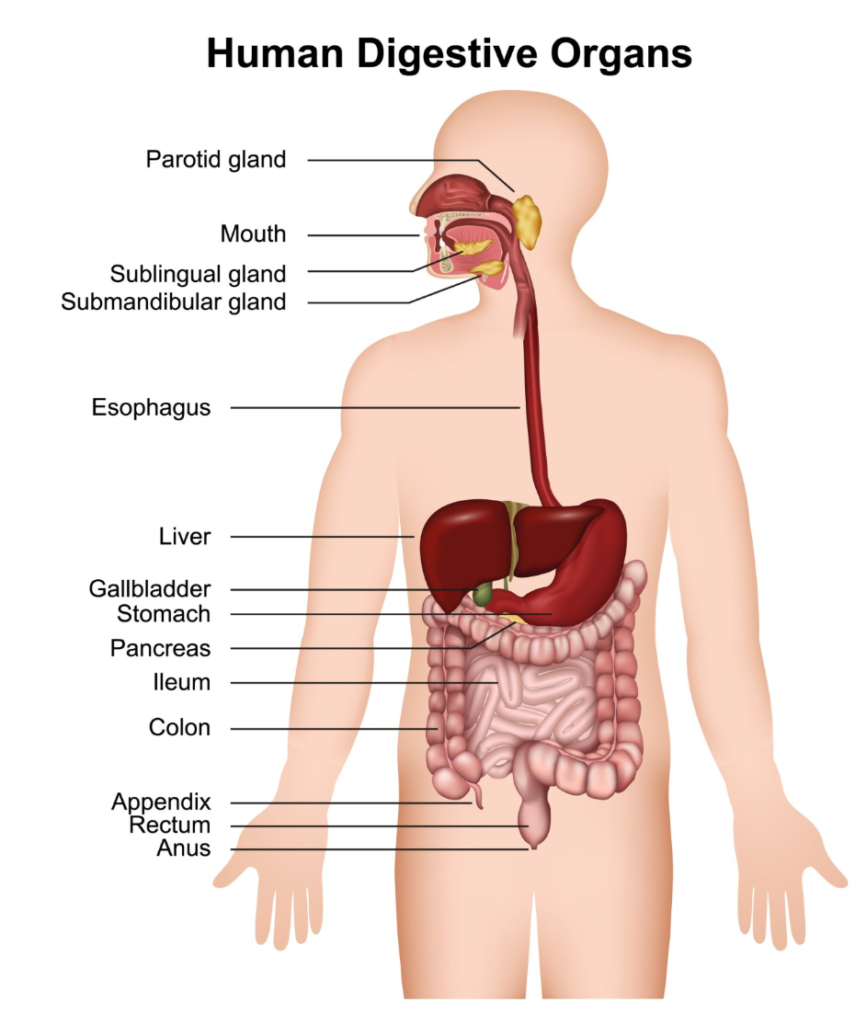
The primary difference between occasional constipation and IBS-C lies in the presence of chronic abdominal pain and the long-term pattern of symptoms. Occasional constipation is typically a short-term issue often triggered by specific factors such as a low-fibre diet, dehydration, or a change in routine. In contrast, IBS-C is a functional gastrointestinal disorder where constipation is accompanied by persistent abdominal pain or discomfort, often linked to the act of passing stool. The NHS describes constipation as having a bowel movement fewer than three times a week or passing hard, lumpy stools that are difficult to expel. When these symptoms occur alongside regular pain and bloating for several months, a healthcare professional may investigate it as irritable bowel syndrome.
The Role of Abdominal Pain
In IBS-related constipation, abdominal pain is a mandatory clinical feature that helps differentiate it from simple constipation. People with IBS-C frequently experience cramping or discomfort that is often relieved by, or sometimes made worse by, having a bowel movement. In cases of “normal” constipation, any discomfort is usually a direct result of the physical pressure of the stool and typically disappears once the waste is passed. The National Institute for Health and Care Excellence specifies that for an IBS diagnosis, abdominal pain must be present and associated with a change in bowel frequency or stool form.
Symptom Duration and Patterns
The timeframe and regularity of digestive changes are significant indicators used to categorise these conditions. Occasional constipation is often acute, meaning it comes on suddenly due to a trigger and resolves once that trigger is addressed or a short-term treatment is used. IBS-C is considered a chronic condition, meaning the symptoms have usually been present for at least six months and occur regularly, often at least one day a week over the most recent three months. While a person with normal constipation may go weeks or months without an issue, someone with IBS-C often experiences a cycle of symptoms that persist over a longer duration.
Accompanying Symptoms and Bloating
While both conditions can cause bloating, the nature and severity of this sensation often differ between isolated constipation and IBS-C. In occasional constipation, bloating is generally a secondary effect of trapped gas and waste that subsides relatively quickly after evacuation. In IBS-C, bloating is often more persistent and may be accompanied by other functional symptoms such as a feeling of incomplete emptying, even after a bowel movement has occurred. Some individuals with IBS-C may also experience non-digestive symptoms, such as lethargy or backache, which are less commonly associated with simple, occasional constipation.
Comparison of Key Characteristics
| Feature | Occasional Constipation | IBS-Related Constipation (IBS-C) |
| Primary Symptom | Difficulty passing stool | Abdominal pain and constipation |
| Pain Profile | Discomfort due to stool pressure | Chronic cramping linked to bowel habits |
| Duration | Short-term (days or weeks) | Chronic (months or years) |
| Impact of Evacuation | Usually resolves all discomfort | Pain may be relieved or altered |
| Common Triggers | Low fibre, dehydration, travel | Stress, specific foods, gut sensitivity |
Diagnostic Approaches in the UK
Healthcare professionals use specific clinical criteria to distinguish between these conditions rather than relying on a single test. For occasional constipation, a GP or pharmacist will likely focus on recent changes in diet, medication, or activity levels to identify a cause. For suspected IBS-C, the clinician will look for a pattern of pain that has lasted for at least six months and may request blood tests to rule out other conditions such as coeliac disease or inflammatory bowel markers. This process ensures that the management plan is tailored to the specific nature of the digestive issue, whether it requires simple lifestyle adjustments or a more comprehensive approach to gut sensitivity.
When to Consult a Healthcare Professional
You should consult a doctor if you experience persistent abdominal pain or a change in bowel habits that lasts for more than a few weeks. While occasional constipation is common, a pattern of regular pain and bloating needs a formal assessment to ensure you receive the correct guidance. It is particularly important to seek advice if your symptoms do not improve with increased fibre and fluid intake. A healthcare professional can help identify whether your symptoms are functional, like IBS, or related to other lifestyle or medical factors, ensuring you can manage your gut health safely and effectively.
Conclusion
The distinction between occasional constipation and IBS-C is primarily defined by the presence of chronic abdominal pain and the long-term nature of the symptoms. While occasional constipation is often a temporary response to lifestyle factors, IBS-C involves a more complex interaction between the gut and the nervous system. Understanding these differences allows for more targeted management of digestive health. If you experience severe, sudden, or worsening symptoms, call 999 immediately.
Can stress cause both types of constipation?
Yes, stress can slow down gut motility in anyone, but in those with IBS-C, the gut is often more sensitive to stress, leading to more significant pain and discomfort.
Does a high-fibre diet help both conditions?
Increasing fibre is a standard recommendation for constipation, but people with IBS-C may need to choose specific types of fibre, such as oats or linseeds, to avoid increasing gas and bloating.
Is bloating more common in IBS-C than in normal constipation?
While both cause bloating, it is often more frequent and distressing for those with IBS-C due to increased visceral sensitivity in the gut.
Can you have IBS if you don’t have pain?
By clinical definition, pain is a key requirement for a diagnosis of IBS; if you only have infrequent bowel movements without pain, it is usually classified as chronic constipation.
How long should I wait to see a GP about IBS symptoms?
If you have had pain and a change in bowel habits for more than six months, or if symptoms are impacting your daily life, you should arrange a consultation.
Can medications cause symptoms that look like IBS-C?
Yes, several medications can cause constipation and abdominal discomfort; a GP or pharmacist can review your prescriptions to check for side effects.
Does IBS-C ever turn into diarrhoea?
Some people have IBS with mixed bowel habits (IBS-M), where they alternate between periods of constipation and periods of diarrhoea.
Authority Snapshot (E-E-A-T)
This article is designed to provide safe, evidence-based education regarding the differences between occasional constipation and IBS-C. The content is strictly aligned with clinical guidance from the NHS and NICE to ensure accuracy for the general public. It has been reviewed by Dr. Stefan Petrov, a UK-trained physician, to confirm its adherence to UK medical standards and patient safety protocols.



