




Colon polyps typically require surgical intervention rather than endoscopic removal when they are exceptionally large, positioned in technically difficult areas of the bowel, or show clinical signs of advanced cellular changes that cannot be safely managed through a colonoscope. While the vast majority of polyps are successfully removed during a routine colonoscopy using minimally invasive techniques, certain structural and biological characteristics necessitate a formal surgical approach to ensure the complete clearance of abnormal tissue. In the United Kingdom, healthcare professionals utilise a multidisciplinary approach to determine the safest method of removal, balancing the benefits of endoscopic therapy against the precision and oncological safety of surgery. This decision involves a detailed assessment of the polyp size, its morphology, and its relationship to the various layers of the colon wall. Because some polyps have the potential to undergo significant cellular transitions, ensuring a clean margin of healthy tissue is a primary objective for UK clinicians. Understanding the criteria for surgical referral is essential for patients navigating complex bowel health findings. By adhering to evidence-based protocols established by national health authorities, the UK healthcare system provides a targeted pathway that prioritises patient safety and long-term gastrointestinal stability.
What We’ll Discuss in This Article
- Criteria for assessing polyp complexity and suitability for endoscopy.
- The impact of polyp size and “giant” polyps on surgical decisions.
- Anatomical challenges and difficult positions within the colon.
- Identifying polyps with suspected deep invasion or malignancy.
- Types of surgical procedures used for complex polyp removal.
- UK clinical pathways for multidisciplinary team reviews and surgery.
Criteria for Assessing Polyp Complexity
Healthcare professionals in the UK assess the complexity of a polyp using standardised scoring systems to determine if a specialised endoscopic technique or a surgical operation is the most appropriate course of action. These assessments consider the physical appearance of the growth, its location, and the likelihood of achieving a complete removal in one session. The NHS states that bowel polyps are common and most are removed during a colonoscopy, but some large or complex polyps may need surgery.
If a polyp is “sessile” (flat) and covers a large surface area of the internal bowel lining, it may be more difficult to remove using a standard wire loop. Clinicians also look for “non-lifting” signs, where the tissue does not separate easily from the deeper layers of the bowel wall when fluid is injected underneath. This lack of movement can suggest that the polyp has begun to involve the muscular layer of the colon, making endoscopic removal unsafe due to the risk of perforation. In such cases, a surgical approach provides the necessary access to remove the affected section of the bowel entirely, ensuring that all abnormal cells are cleared.
Impact of Polyp Size on Surgical Decisions
The physical size of a polyp is a major factor in determining the need for surgery, with growths larger than 20 to 40 millimetres often being considered for surgical resection if they cannot be safely managed via endoscopic mucosal resection. Giant polyps can occupy a significant portion of the bowel’s internal circumference, making it technically challenging for an endoscopist to ensure that every part of the growth has been captured.
| Removal Method | Typical Size Limitation | Clinical Consideration |
| Endoscopic Removal | Often suitable for polyps up to 20mm. | Minimal recovery time; performed via camera. |
| Advanced Endoscopy (EMR) | Used for complex polyps 20mm to 40mm. | Requires specialist skill; may be done in sections. |
| Surgical Resection | Often preferred for polyps over 40mm. | Ensures full-thickness removal; requires hospital stay. |
In the United Kingdom, if a large polyp is located in the right side of the colon, where the bowel wall is naturally thinner, the risk of a tear during a complex endoscopic procedure may be deemed too high. Surgery in these instances is a proactive measure to prevent complications and to provide a more definitive treatment for growths that are statistically more likely to harbour advanced cellular changes.
Anatomical Challenges and Difficult Positions
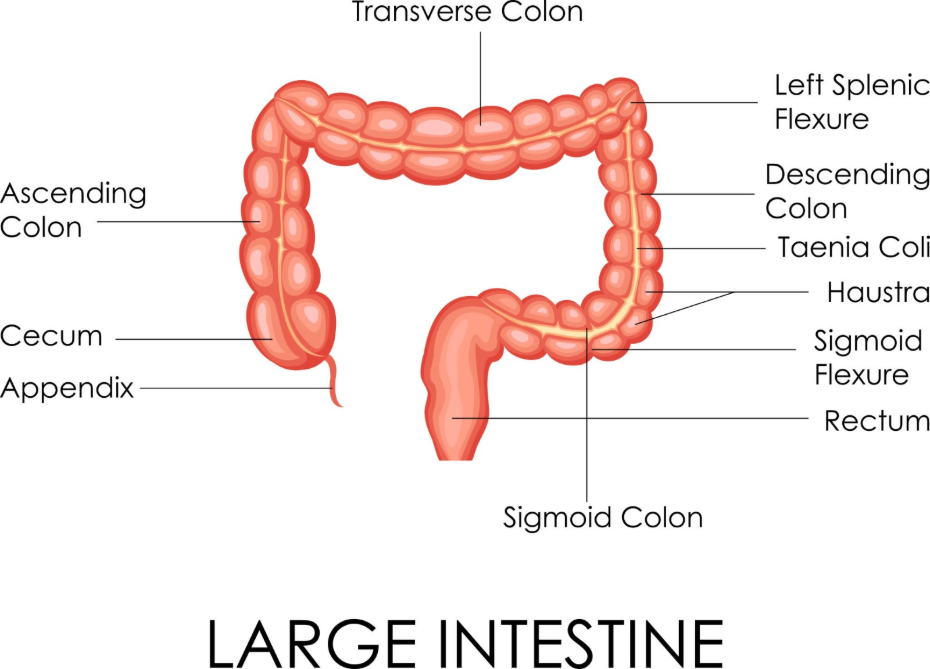
Polyps located in technically difficult anatomical positions, such as near the appendix opening, behind sharp folds of the colon, or involving the ileocaecal valve, often require surgery because they cannot be fully visualised or reached with a colonoscope. The colon is a winding structure with several sharp turns and hidden corners where a camera may have limited maneuverability.
If a polyp is “wrapped around” a fold (haustra) or is located in the very beginning of the large intestine (the caecum) in a way that prevents a clear view of its base, an endoscopist may be unable to remove it safely. Attempting an endoscopic removal in these high-risk zones carries a greater danger of incomplete removal or damage to adjacent structures. In the UK, clinicians prioritising safety will refer such cases to a surgical team. A laparoscopic (keyhole) surgery allows the surgeon to see the outside of the colon and remove the specific segment containing the polyp, ensuring that the structural integrity of the bowel is maintained while the growth is successfully excised.
Identifying Polyps with Suspected Malignancy
If a polyp shows visual signs of deep invasion or suspected malignancy during a colonoscopy, it is usually referred for surgery to ensure that a wider margin of healthy tissue and nearby lymph nodes are removed. Clinicians use high-definition imaging and special dyes to look for “pit patterns” on the surface of the polyp that are characteristic of cancer.
NICE clinical guidelines for colorectal cancer indicate that when there is a high suspicion of invasive cancer in a polyp, surgical resection is the preferred treatment to allow for accurate staging and comprehensive removal. Unlike a polypectomy, which only removes the inner growth, surgery involves removing the entire section of the colon wall and the associated blood supply and lymph nodes. This is a vital oncological principle in the United Kingdom, as it allows pathologists to determine if the cells have spread beyond the initial growth. If a polyp is removed endoscopically but is later found to have high-risk cancerous features, a “completion” surgery may still be recommended to ensure no microscopic cells remain.
Types of Surgical Procedures for Polyps
The type of surgery required for a complex polyp depends on its location and the amount of bowel that needs to be removed to ensure a safe result. Most modern bowel surgeries in the UK are performed using laparoscopic or robotic techniques, which involve small incisions and a faster recovery compared to traditional open surgery.
Common procedures include:
- Right Hemicolectomy: Removing the right side of the colon, often for polyps in the caecum.
- Left Hemicolectomy: Removing the left side of the colon.
- Sigmoid Colectomy: Removing the sigmoid colon, a common site for diverticula and polyps.
- Sub-total Colectomy: Removing a larger portion of the colon if multiple complex polyps are present.
During these operations, the surgeon removes the affected segment and then joins the healthy ends of the bowel back together (anastomosis). In the United Kingdom, the use of enhanced recovery pathways ensures that patients are supported to eat and move quickly after their operation. These surgeries provide a definitive solution for polyps that are too large or too risky for camera-based removal, effectively removing the threat of future bowel complications in that specific area.
UK Clinical Pathways and Multidisciplinary Reviews
In the United Kingdom, the decision to move from endoscopic removal to surgery is made through a Multidisciplinary Team (MDT) meeting, where gastroenterologists, surgeons, and radiologists review the case together. This ensures that every patient receives a balanced opinion on the safest and most effective way to manage their specific polyp.
The MDT review considers:
- Endoscopic Photographs: Reviewing the visual “red flags” found during the colonoscopy.
- Biopsy Results: Checking the initial cellular characteristics of the tissue.
- Patient Fitness: Assessing whether the patient is healthy enough for a general anaesthetic and surgery.
- Radiological Scans: Using CT or MRI scans to check for signs of invasion beyond the colon wall.
Once a decision is reached, the patient is given clear information about why surgery is recommended. This integrated pathway ensures that the UK’s high standards of bowel care are met, providing a safety net for those with the most challenging polyps. Following surgery, a pathologist provides a final report on the tissue, which then determines the long-term follow-up and screening schedule for the patient.
Conclusion
Most colon polyps are removed safely through a camera-based procedure, but surgery is required when growths are exceptionally large, difficult to reach, or show signs of deep invasion. In the UK, these decisions are made by a team of specialists who prioritise the complete removal of high-risk tissue and the prevention of future complications. While surgery is more invasive than a colonoscopy, modern keyhole techniques ensure a safe and effective recovery for most patients. Participating in all scheduled follow-ups and following clinical advice after a complex finding are the best ways to maintain bowel health. If you experience severe, sudden, or worsening symptoms, call 999 immediately.
Is it common to need surgery for a polyp?
No; the vast majority of polyps found during UK screening are small enough to be removed safely during your first colonoscopy.
Will I need a stoma bag if I have surgery for a polyp?
Most surgeries for polyps allow the bowel to be joined back together immediately, so a temporary or permanent stoma is rarely required.
Why can’t the doctor just “try” to remove a large polyp with the camera first?
If a polyp looks very high-risk, attempting removal can cause bleeding or a tear; doctors prefer to use the safest method first.
How long is the recovery after keyhole bowel surgery?
Most people stay in hospital for 3 to 7 days and take a few weeks at home to return to their normal daily activities.
Can diverticulitis make surgery for polyps more difficult?
Yes, if you have significant scarring from diverticulitis, it can make the surgery more complex, but UK surgeons are trained to manage both conditions.
What happens if I refuse surgery for a complex polyp?
If a high-risk polyp is left in place, it has a significant chance of growing or changing into a more serious condition over time.
Will my other polyps be removed during the surgery?
The surgery only removes a specific section of the bowel; any polyps in other sections will still need to be managed through a colonoscopy.
Authority Snapshot (E-E-A-T)
This article provides medically factual health education regarding the indications for surgical polyp removal, strictly aligned with NHS and NICE clinical guidelines. The content is developed by a professional medical writing team and reviewed by Dr. Stefan Petrov, a UK-trained physician with experience in general surgery, emergency care, and anaesthesia. All information follows current UK public health protocols to ensure clinical accuracy and patient safety.



