




Surgery is a primary treatment option for certain types of lung cancer, intended to remove the cancerous tumour and a surrounding margin of healthy tissue. For many patients in the UK, surgical intervention offers the best opportunity for a long-term cure, provided the condition is detected at an early stage. This guide explains the clinical criteria for lung cancer surgery, the different types of procedures available, and how medical teams determine if a patient is physically suited for such a significant operation.
What We’ll Discuss in This Article
- Clinical eligibility criteria for lung cancer surgery.
- The specific role of surgery in non-small cell lung cancer (NSCLC).
- Why surgery is rarely the first choice for small cell lung cancer (SCLC).
- Detailed explanations of lobectomy, pneumonectomy, and wedge resection.
- Pre-operative tests to assess lung function and physical fitness.
- The role of the multidisciplinary team (MDT) in surgical planning.
- Expectations for recovery and post-operative monitoring.
Eligibility and Suitability for Surgical Intervention
Surgery is primarily recommended for patients with early-stage non-small cell lung cancer where the tumour is contained within one area and has not spread to distant parts of the body. In the UK healthcare system, doctors must ensure that the benefits of removing the tumour outweigh the risks associated with major thoracic surgery. Surgery is usually the most effective treatment for non-small cell lung cancer if the cancer is in only one lung and has not spread to other parts of your body.
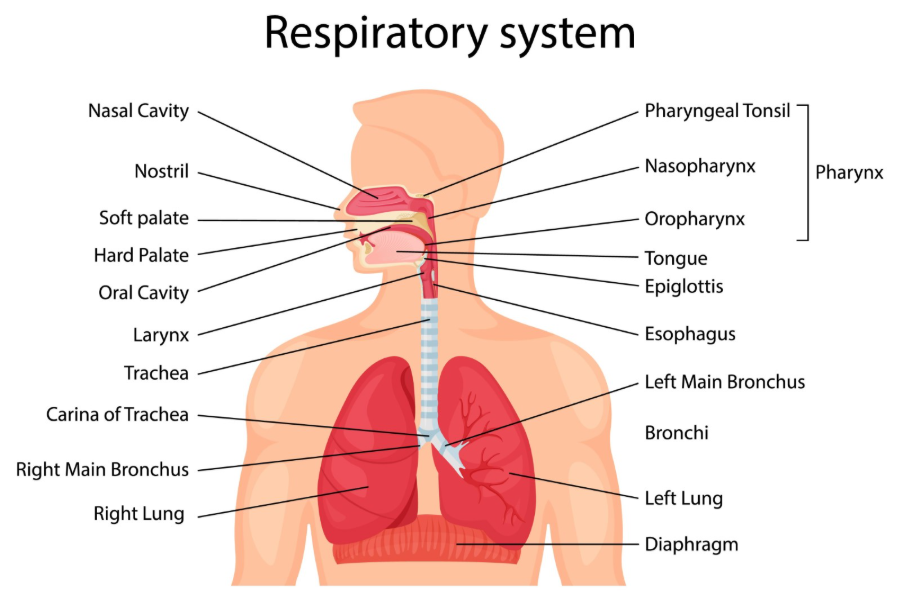
Beyond the stage of the cancer, a patient’s overall health and lung capacity are critical factors in determining suitability. Because lung surgery involves removing part of the organ, the remaining lung tissue must be healthy enough to provide the body with sufficient oxygen after the operation. Clinicians perform a series of assessments, including heart health checks and respiratory function tests, to ensure that the patient can safely undergo general anaesthesia and the subsequent recovery process.
Common Types of Lung Cancer Surgery
The specific type of operation recommended depends on the size of the tumour, its exact location within the lung, and the patient’s overall respiratory reserve. Surgeons aim to remove the entire tumour while preserving as much healthy lung tissue as possible to maintain the patient’s quality of life. The most common procedure is a lobectomy, which involves removing one of the large sections, or lobes, of the lung.
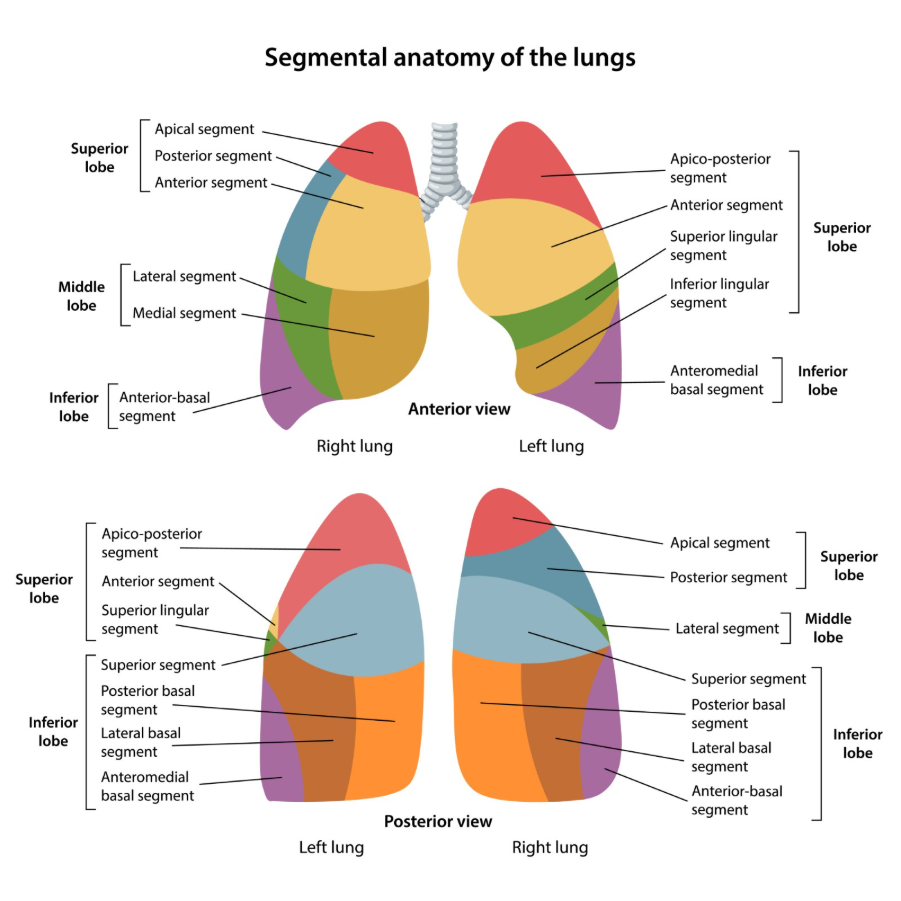
In cases where the tumour is located in the centre of the lung or involves the major airways, a more extensive operation may be required. Conversely, if the cancer is very small and detected very early, a more limited resection might be appropriate.
| Procedure Type | Description | When it is Used |
| Lobectomy | Removal of one lobe of the lung. | The standard treatment for most early-stage lung cancers. |
| Pneumonectomy | Removal of one entire lung. | Used when the tumour is in the centre of the lung or involves multiple lobes. |
| Wedge Resection | Removal of a small, wedge-shaped piece of lung. | Used for very small tumours or when lung function is too low for a lobectomy. |
| Segmentectomy | Removal of a specific segment of a lobe. | Used when the tumour is small and localized to one section. |
Surgery and Small Cell Lung Cancer (SCLC)
Surgical intervention is rarely used to treat small cell lung cancer because this specific type of cancer is highly aggressive and usually has already spread by the time it is diagnosed. Small cell lung cancer tends to move through the lymphatic system and bloodstream early in its development, meaning that localized surgery is often unable to remove all the cancer cells. In these instances, systemic treatments like chemotherapy or radiotherapy are prioritized to treat the whole body.
However, in very rare circumstances where a small cell lung tumour is found at an extremely early stage before it has spread to any lymph nodes, surgery might be considered. This is typically followed by intensive chemotherapy or radiotherapy to target any microscopic cells that may remain. For the vast majority of SCLC patients in the UK, the clinical focus remains on non-surgical management.
Pre-Operative Testing and Patient Fitness
Medical teams perform a rigorous set of tests to assess a patient’s physical capability to undergo and recover from major surgery. This process often begins with spirometry, a test that measures how much air you can breathe out in one forced breath. If the initial results suggest limited lung capacity, more detailed “lung volume” tests or exercise tests may be required to see how the lungs and heart respond to physical stress.
The National Institute for Health and Care Excellence (NICE) provides detailed pathways for the management of lung cancer, including the assessment of fitness for radical treatment. These guidelines ensure that every patient in the UK receives a standardized assessment regardless of where they are treated. If a patient is deemed too frail for surgery, the medical team will discuss alternative radical treatments, such as stereotactic ablative radiotherapy (SABR), which can also target tumours effectively with a lower physical burden.
The Role of the Multidisciplinary Team (MDT)
In the UK, the decision to offer surgery is never made by a single doctor but by a multidisciplinary team (MDT) of specialists. This team typically includes thoracic surgeons, respiratory consultants, oncologists, radiologists, and specialist nurses. They meet regularly to review the results of all scans and biopsies, ensuring that the proposed treatment plan is the most appropriate for the individual’s specific type and stage of cancer.
The MDT approach ensures that all aspects of the patient’s health are considered, including any other medical conditions like heart disease or diabetes. This collaborative process is a hallmark of UK cancer care, designed to provide the best possible outcomes through collective clinical expertise. Once the MDT has reached a recommendation, the surgical team will discuss the risks and benefits in detail with the patient, allowing for an informed decision.
Conclusion
Surgery is a vital treatment for early-stage non-small cell lung cancer, offering a potential cure by removing the tumour and affected tissue. The decision to proceed is based on a careful balance of cancer stage, the patient’s lung function, and their overall physical fitness. While it is a significant procedure, modern techniques and rigorous pre-operative testing help to manage risks and improve outcomes for patients across the UK. If you experience severe, sudden, or worsening symptoms, call 999 immediately.
How long does it take to recover from lung surgery?
Recovery times vary, but most people stay in the hospital for 5 to 10 days and may take several weeks or months to fully regain their strength.
Can you live with only one lung?
Yes, the remaining lung can usually expand and take over the work of providing enough oxygen for normal daily activities, though you may feel more breathless during heavy exercise.
Is lung cancer surgery done using keyhole techniques?
Many lung operations are now performed using Video-Assisted Thoracoscopic Surgery (VATS), a type of keyhole surgery that uses smaller incisions and often leads to a faster recovery.
What happens if the cancer is found to have spread during surgery?
If the surgeon finds that the cancer is more widespread than scans suggested, they may decide not to proceed with the full removal to avoid unnecessary risk and will discuss further treatments like chemotherapy.
Will I need chemotherapy after lung surgery?
Some patients are offered “adjuvant” chemotherapy after their operation to kill any remaining cancer cells and reduce the risk of the cancer returning.
What are the main risks of lung cancer surgery?
As with any major operation, risks include infection, bleeding, blood clots, and complications from the general anaesthesia, all of which are closely monitored by the hospital team.
Authority Snapshot (E-E-A-T Block)
This article was developed to provide clear and factual information about the role of surgery in treating lung cancer, adhering to the evidence-based guidelines of the NHS and NICE. The content is reviewed by Dr. Stefan Petrov, a UK-trained physician with extensive experience in general medicine, surgery, and emergency care. Our commitment to UK medical standards ensures that this guide is a safe and trustworthy resource for patient education.



