




In 2026, the clinical threshold for investigating male hormone problems has evolved from simply treating older men to identifying hormonal imbalances in men of all ages. Because testosterone and other male hormones influence almost every organ system, symptoms can be subtle and easily attributed to stress or aging. However, knowing exactly when to transition from lifestyle adjustments to seeking professional medical advice is crucial for preventing long term health complications.
What We Will Cover in This Article
- The primary physical and psychological triggers for a medical consultation
- Identifying red flag symptoms that require urgent investigation
- When lifestyle interventions are no longer enough to manage symptoms
- The role of age and pre-existing conditions in the timing of your visit
- How to prepare for your first clinical appointment in 2026
- Differentiating between transient fatigue and chronic hormonal failure
Primary Triggers for Medical Consultation
You should seek medical advice if you experience a cluster of symptoms that persist for more than two to three months despite adequate sleep, nutrition, and stress management.
In 2026, clinicians look for the following key indicators:
- Sexual Health Changes: A significant and persistent drop in libido or the disappearance of morning erections.
- Unexplained Physical Decline: Loss of muscle mass and strength even with regular exercise, or an increase in abdominal fat that does not respond to diet.
- Mood and Cognitive Shifts: Persistent low mood, irritability, or a level of brain fog that interferes with your professional performance.
- Extreme Fatigue: A type of exhaustion that is present even upon waking and does not improve after a restful weekend.
Red Flag Symptoms
Seek advice promptly if you notice:
- Rapid Vision Changes: Specifically a loss of peripheral vision, which can indicate a pituitary issue.
- Lumps or Changes in the Testes: Any new swelling or change in texture requires an urgent physical examination.
- Severe Breast Tissue Growth: Significant development of breast tissue or nipple discharge.
- Sudden Loss of All Sexual Desire: An abrupt, total shutdown of libido rather than a gradual decline.
When Lifestyle Fixes Are Not Enough
Many men try to fix hormonal symptoms through over the counter supplements or aggressive exercise. In 2026, the medical recommendation is to seek advice if these self help measures fail after eight to twelve weeks.
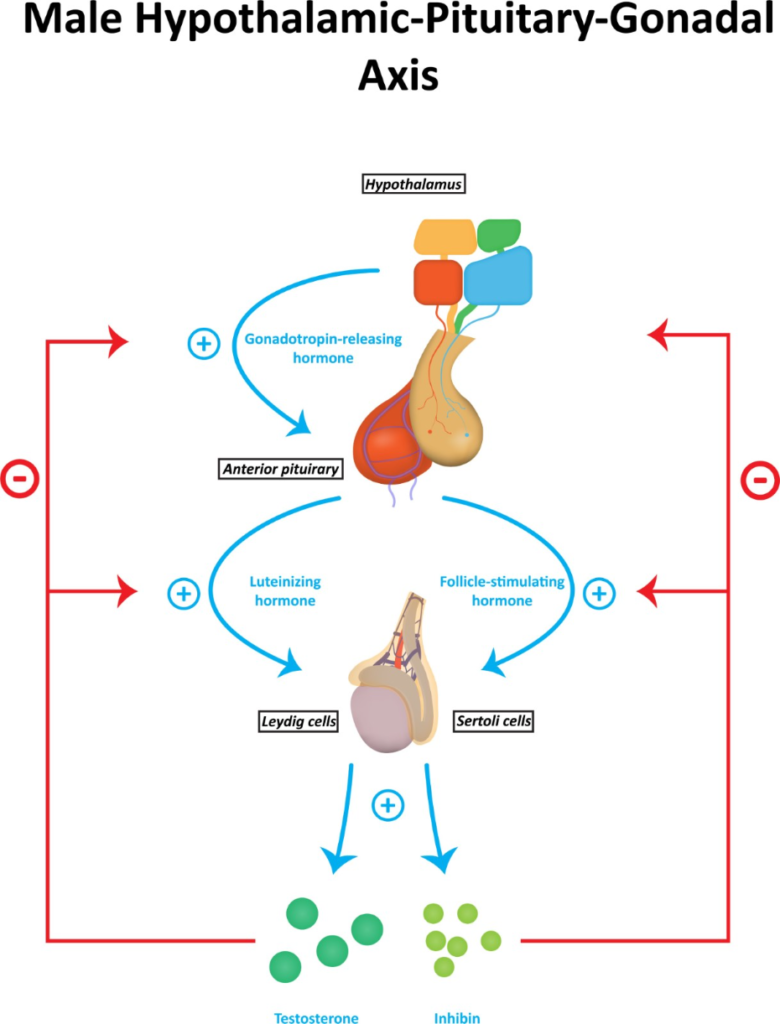
If you have optimised your sleep, reduced your alcohol intake, and managed your weight but still feel symptomatic, the issue is likely a failure in the hormonal signalling system. At this point, continuing to push through can lead to burnout and further suppress your natural production through elevated cortisol levels.
Preparing for Your Appointment
When you decide to see a physician like Dr. Petrov, being prepared will ensure a more accurate diagnosis. In 2026, the diagnostic process is highly data driven.
- Symptom Diary: Note when your symptoms started and if they are worse at specific times of the day.
- Medical History: Be ready to discuss any history of head injuries, mumps, or long term use of medications like opioids or steroids.
- Timing: Your doctor will likely schedule a blood test. This must be done in the morning, typically before 10:00 AM, as testosterone levels are at their peak and most accurate during this window.
Who Should Seek Advice Earlier?
Certain groups of men should have a lower threshold for seeking medical advice regardless of the severity of their symptoms.
| Category | Why Seek Advice Early? |
| Men with Type 2 Diabetes | Low testosterone and insulin resistance are intrinsically linked. |
| Opioid Users | Chronic pain medication is a leading cause of secondary hormonal failure. |
| Cancer Survivors | Previous chemotherapy or pelvic radiation can impact hormone production. |
| Men with Sleep Apnoea | Poor sleep quality prevents the body from producing its morning peak. |
To Summarise
Seeking medical advice for suspected hormone problems is a proactive step toward long term health. You should consult a physician if you experience persistent changes in libido, energy, or mood that do not resolve with lifestyle improvements. In 2026, we emphasise that you do not need to wait until you are in a state of total exhaustion to seek help. Early intervention can prevent the metabolic and cardiovascular risks associated with long term deficiency.
If your quality of life has noticeably declined over the last few months, your next step is to schedule a morning consultation to establish your hormonal baseline.
Will my GP take me seriously if I am under 40?
Yes. In 2026, clinicians are increasingly aware that secondary hypogonadism can affect younger men due to metabolic and environmental factors.
Can I just buy a test online instead of seeing a doctor?
Online tests can be a good starting point, but a clinical diagnosis requires a physical exam and a review of your full medical history by a professional.
What if my results are at the low end of normal?
In 2026, we treat the patient, not just the number. If you are symptomatic and your levels are in the bottom 25 percent of the range, medical intervention may be considered.
How long does a typical consultation take?
A thorough initial consultation usually takes 20 to 30 minutes to cover your symptoms, history, and a physical examination.
Should I stop my supplements before my doctor visit?
It is usually best to continue your normal routine but bring a list of everything you are taking so the doctor can assess if any supplements are masking or causing symptoms.
Is hormone testing covered by insurance in 2026?
Most providers and the NHS cover diagnostic testing if you present with symptoms like erectile dysfunction, fatigue, or mood changes.
Authority Snapshot
This article was written by the MyPatientAdvice clinical team and reviewed by Dr. Stefan Petrov, a UK trained physician with an MBBS and extensive experience in general medicine, surgery, anaesthesia, ophthalmology, and emergency care. Dr. Petrov holds postgraduate certifications in ACLS and BLS and has worked in both hospital wards and intensive care units. He specialises in medical education, the creation of evidence based health content, and teaching clinical skills to junior doctors. This guidance follows 2026 clinical protocols for the investigation of male endocrine health.



