




Individuals should attend an Accident and Emergency department immediately if they experience symptoms of a pulmonary embolism, such as sudden breathlessness or chest pain, or if they have signs of deep vein thrombosis alongside systemic distress. In the United Kingdom, healthcare professionals identify these presentations as requiring urgent specialist intervention to achieve biological homeostasis and systemic stability. By utilised integrated NHS pathways, individuals receive a stable foundation for health maintenance through evidence-based reviews focused on achieving an accurate physiological understanding of their specific profile. This coordinated effort prioritises the safety of the individual, providing a secure framework for building long-term health wellbeing through the systematic monitoring of the circulatory environment and the use of validated clinical observations within the UK healthcare framework to achieve long-term stability in a secure medical environment.
What We’ll Discuss in This Article
- Identifying life-threatening symptoms of a pulmonary embolism.
- Recognising the severity of deep vein thrombosis in the lower limbs.
- The biological rationale for urgent diagnostic investigation in A&E.
- Distinguishing between routine GP reviews and emergency presentations.
- Standard UK clinical protocols for the emergency management of blood clots.
- Accessing integrated UK support pathways for acute specialist reviews.
Emergency Symptoms of a Pulmonary Embolism
A pulmonary embolism is a medical emergency that requires immediate attendance at A&E because a blood clot has blocked a pulmonary artery, potentially impacting systemic oxygen levels and cardiac function. In the United Kingdom, clinical research highlights that the blockage prevents deoxygenated blood from being re-oxygenated in the lungs, which initiated a sequence of rapid physiological decline if not managed by a multidisciplinary team. The NHS states that you should call 999 or go to A&E if you are struggling to breathe, have sudden chest pain, or have coughed up blood.
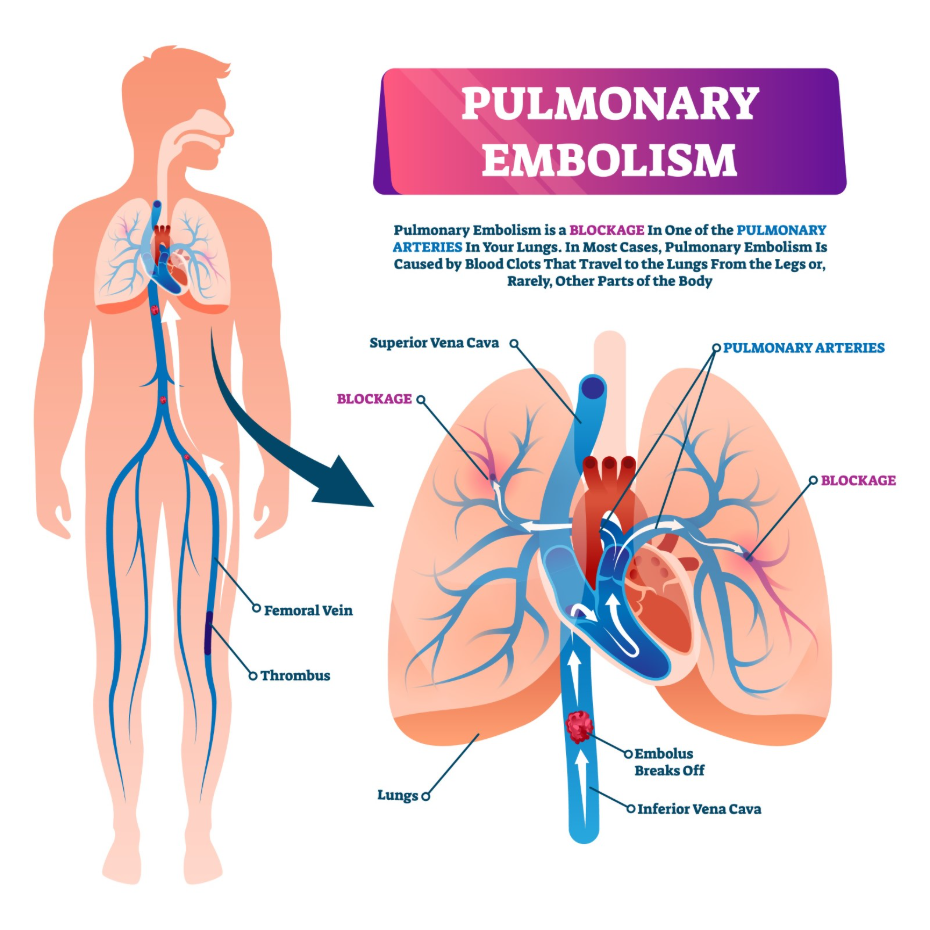
When a clot lodges in the pulmonary network, the heart must work significantly harder to pump blood through the restricted vessels. In the UK, this professional framework provides a stable foundation for the health journey by identifying that respiratory efficiency is a primary physiological health factor in systemic maintenance. By utilised these integrated pathways, the healthcare system ensures every person’s profile is supported through evidence-based understanding of their pulmonary environment. This coordinated effort focuses on maintaining biological stability and detecting the mechanical triggers of respiratory distress through regular specialist reviews to achieve long-term stability within the United Kingdom medical system.
When Deep Vein Thrombosis Becomes an Emergency
Deep vein thrombosis requires urgent A&E assessment if the localised swelling and pain are severe, or if the skin appears blue or very dark, signify a significant obstruction of venous return. In the United Kingdom, healthcare professionals identify that while a GP can manage most suspected leg clots during standard hours, the presence of systemic signs or a complete lack of circulation requires an accurate physiological understanding in an acute setting. NICE clinical guidelines indicate that the assessment of limb-threatening venous obstruction is a central component of identifying clotting triggers to maintain systemic stability.
| Clinical Presentation | Recommended Action | Biological Urgency |
| Sudden Breathlessness | Call 999 or attend A&E. | Life-threatening emergency. |
| Sharp Chest Pain | Call 999 or attend A&E. | Potential pulmonary infarction. |
| Coughing up Blood | Attend A&E immediately. | Sign of lung tissue damage. |
| Severe Leg Swelling | Contact GP or NHS 111. | Urgent diagnostic requirement. |
Identifying these regional triggers helps the multidisciplinary team provide a secure environment for health maintenance. In the UK, the focus is on providing a safe and accurate understanding of the individual functional capability across different life stages. This professional oversight is essential for building long-term health wellbeing through the systematic identification of circulatory triggers and the provision of specialist advice on achieving biological homeostasis during acute thrombotic events within the national framework.
The Biological Rationale for Urgent Investigation
The biological rationale for attending A&E is to initiate a rapid sequence of diagnostic tests, such as a CT pulmonary angiogram or a venous ultrasound, to prevent the clot from growing or migrating further. In the United Kingdom, healthcare professionals focus on the fact that an untreated blood clot can initiated a sequence of complications including cardiac arrest or permanent lung damage, which requires immediate clinical control. The GOV.UK health pages provide clinical profiles indicating that the monitoring of biological markers for venous thromboembolism is a priority for ensuring integrated support through national safety programmes.
As the heart and lungs respond to the thrombus, the sequence of physiological changes identifies the severity of the obstruction. In the UK, the focus is on providing a stable foundation for the individual to move forward with self-understanding of their physical state. The NHS ensures that adults have a consistent point of contact for their health needs while they navigate any changes in their vascular health. By utilised these integrated pathways, the healthcare system provides a secure environment for building long-term health wellbeing across the UK population. This integrated approach ensures that every person functional capability is respected and that clotting triggers are addressed through coordinated medical observation within the national framework.
Distinguishing Between Routine and Emergency Reviews
Specialists in the United Kingdom utilised specific physical markers to distinguish between a suspected DVT that can wait for a GP appointment and a pulmonary embolism that requires the advanced life support capabilities of an A&E department. In the United Kingdom, healthcare professionals identify that isolated leg symptoms without respiratory distress are often managed via urgent primary care, whereas any involvement of the chest or heart signifies a requirement for an emergency clinical sequence.
Emergency red flags monitored in the UK include:
- Syncope: Fainting or feeling very lightheaded, which may suggest a large pulmonary clot.
- Haemoptysis: Coughing up blood, which signify irritation or damage to the lung tissue.
- Hypotension: A significant drop in blood pressure caused by heart strain.
- Tachycardia: A heart rate that remains very high even while resting.
- Tachypnoea: Breathing very rapidly to maintain systemic oxygen levels.
- Cyanosis: A blueish tint to the lips, skin, or fingernails.
- Cold Sweat: Clammy skin alongside intense chest discomfort or air hunger.
In the UK, the focus is on providing a stable foundation for the individual to move forward with self-understanding. The NHS ensures that adults and children have a consistent point of contact for their health needs. By utilised these integrated pathways, the healthcare system provides a secure environment for building long-term health wellbeing across the UK population. These strategies aim to work with the individual’s biology to restore stability through the consistent clinical control of their environment and the systematic identification of the mechanical triggers of the circulatory system within the national framework.
Standard UK Protocols for Emergency Management
The United Kingdom healthcare system utilise a sequence of investigative protocols, including specialised imaging and the immediate initiation of anticoagulant therapy, for any individual presenting to A&E with a suspected embolism. In the United Kingdom, healthcare professionals focus on ensuring that suspected thrombosis is investigated systematically to achieve biological homeostasis and provide an accurate physiological understanding of the vascular system state.
Investigative steps in the UK include:
- Initial Triage: Prioritising patients with breathlessness or chest pain for immediate review.
- Electrocardiogram (ECG): Checking for signs of right heart strain caused by a lung clot.
- CT Pulmonary Angiogram: A detailed scan to visualise clots in the pulmonary arteries.
- D-dimer Test: A blood test used alongside clinical probability scoring.
- Anticoagulant Therapy: Using medication to prevent the thrombus from growing larger.
- Oxygen Support: Maintaining systemic saturation while the clot is managed.
- Specialist Referral: Consulting with haematology, respiratory, or vascular surgery teams.
In the UK, the focus is on providing a stable foundation for the individual to move forward with self-understanding. The NHS ensures that adults and children have a consistent point of contact for their health needs. By utilised these integrated pathways, the healthcare system provides a secure framework for building long-term health wellbeing across the UK population. These strategies aim to work with the individual’s biology to restore stability through the consistent clinical control of their circulatory health and the promotion of a sustainable lifestyle within a validated medical environment.
Conclusion
Attending A&E for a suspected blood clot follows a sequence of critical clinical indicators that prioritise the maintenance of respiratory and circulatory health within the established UK healthcare framework. The NHS and professional bodies provide a robust system of multidisciplinary assessments to help individuals achieve stability and resilience throughout their health journey. By focusing on both the consistent monitoring of vascular markers and the recognition of red flags, the system promotes the highest possible level of independence. Following a coordinated management plan with the help of medical experts ensures that unique adult needs are addressed holistically.
If you experience severe, sudden, or worsening symptoms, call 999 immediately.
Can I call my GP if I have a swollen leg but no chest pain?
In the UK, you should contact your GP practice or NHS 111 first for isolated leg swelling to see if they can arrange a scan.
Why do I need to go to A&E if I only feel slightly short of breath?
In the UK, sudden breathlessness can be the only sign of a pulmonary embolism, which requires an urgent diagnostic sequence to ensure safety.
Will the A&E department do an ultrasound scan immediately?
In the UK, A&E will initiate the diagnostic process, though you may be started on medication and have your scan scheduled for the following day.
Is coughing up blood always an emergency?
In the UK, coughing up blood is a clinical red flag that requires an immediate assessment in an emergency department to find the biological cause.
What if my symptoms started after a long flight?
In the UK, you should inform the clinician about your recent travel, as this initiated a higher clinical probability of a venous thromboembolism.
Can A&E treat a blood clot if they find one?
Yes; in the UK, A&E will initiate treatment with blood thinning medication to prevent the clot from getting larger and to support your recovery.
Who should I talk to if I am unsure whether to go to the hospital?
The first point of contact in the United Kingdom for non-emergency advice is NHS 111, who can provide guidance based on your specific symptoms.
Authority Snapshot (E-E-A-T)
This article provides medically factual health education regarding emergency attendance for blood clots, strictly aligned with NHS and NICE clinical guidelines. The content is developed by a professional medical writing team and reviewed by Dr. Stefan Petrov, a UK-trained physician with experience in general surgery, emergency care, and intensive care. All information follows current UK public health protocols to ensure clinical accuracy and patient safety.



