




A concussion is a complex process that affects the brain as a whole rather than just one specific isolated area. When the head sustains a forceful impact or sudden jolt, the brain moves rapidly within the skull, leading to a temporary disturbance in how brain cells communicate. While the physical structure of the brain often appears normal on standard medical scans, the functional impact involves widespread changes in chemical balance and energy use. Understanding the specific regions involved helps explain why symptoms can range from physical balance issues to emotional and cognitive changes.
What We’ll Discuss in This Article
- The widespread functional impact of a concussion across the entire brain.
- How the frontal lobe affects decision making and personality after injury.
- The role of the temporal lobe in memory and language processing.
- Why the cerebellum is involved in post-concussion balance and coordination.
- The impact of brainstem stretching on sleep and basic bodily functions.
- The microscopic changes in axons and neurotransmitters during recovery.
The functional impact of concussion on brain regions
A concussion is a temporary injury to the brain caused by a bump, blow or jolt to the head that results in a temporary disturbance in normal brain function. Unlike more severe traumatic brain injuries that might cause visible bruising or bleeding in one spot, a concussion typically involves a “diffuse” injury. This means the force of the impact causes the brain to twist or slide, stretching brain cells called neurons and disrupting the electrical signals they use to send information.
Because the brain is not fixed rigidly inside the skull, it can strike the front, back, or sides of the internal bone. This movement can affect multiple lobes simultaneously, which is why a person may experience a diverse range of symptoms such as headaches, confusion, and nausea all at once. The injury is considered functional rather than structural, meaning the “wiring” is temporarily disrupted even if the “hardware” looks intact.
Frontal lobe involvement and cognitive changes
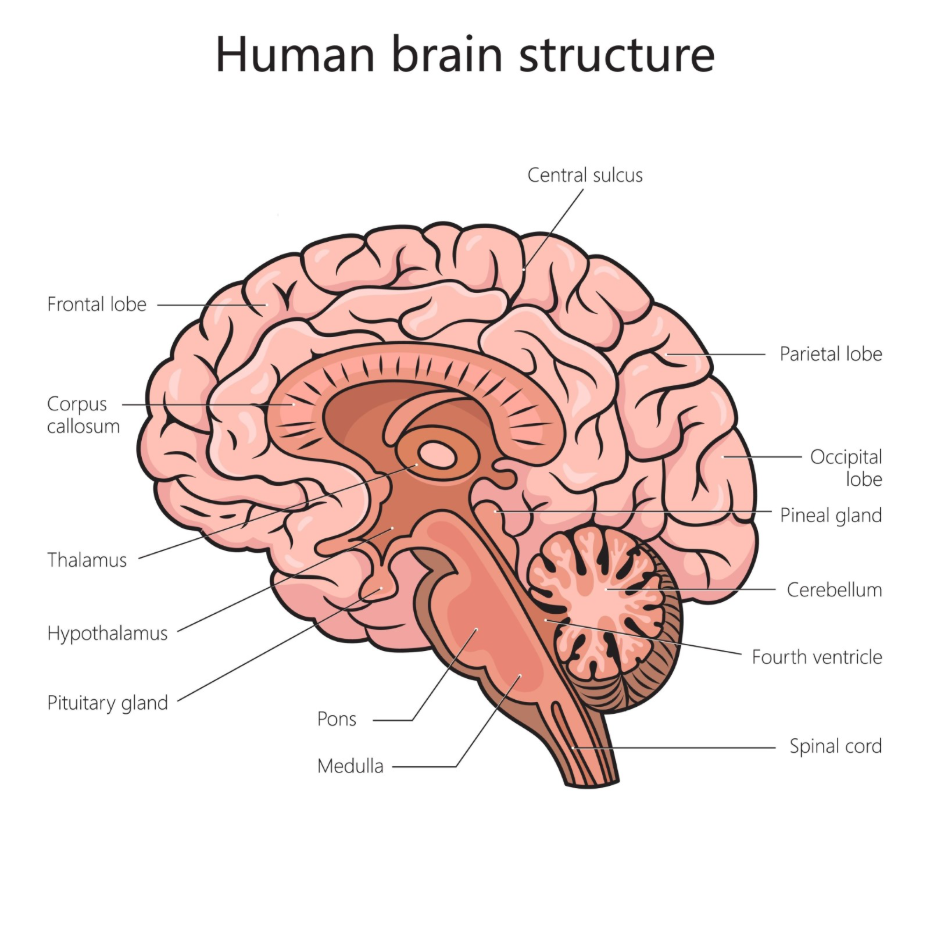
The frontal lobe, located directly behind the forehead, is the area most frequently impacted when the head strikes an object in front of it. This region is responsible for what clinicians call “executive function,” which includes planning, organising, and regulating emotions. When this part of the brain is affected by a concussion, individuals often report feeling dazed or having difficulty concentrating on simple tasks.
Symptoms related to frontal lobe disruption can include irritability, changes in personality, and a reduced ability to manage complex information. Because this area also controls motor function, some patients may experience slowed reaction times. Clinical assessment of head injuries often focuses on these cognitive markers to determine the severity of the functional impairment.
Temporal lobe disruption and memory issues
The temporal lobes are located on the sides of the brain, near the ears, and are highly susceptible to “shearing” forces when the head rotates during an impact. This region is critical for processing auditory information and is the primary centre for memory and language. If the temporal lobe is affected, a person might struggle to find the right words or have trouble remembering the moments leading up to or following the injury.
Memory gaps, often referred to as post-traumatic amnesia, are common signs that the temporal regions have been disturbed. While this is usually temporary, it can be distressing for the patient. Recovery in this area requires significant cognitive rest to allow the chemical environment of the temporal lobe to return to its baseline state.
The role of the cerebellum in balance and coordination
Located at the back of the brain, the cerebellum plays a vital role in coordinating movement and maintaining balance. When the head is jerked backward or sustains a blow to the rear, the cerebellum can be compressed against the skull. This often results in the dizziness and lack of coordination that many people associate with being “punch-drunk” or dazed.
Balance testing is a standard part of a medical evaluation for concussion because it provides a direct window into how the cerebellum is functioning. If this area is impacted, a person may feel unsteady on their feet or experience a sensation that the room is spinning. These symptoms usually resolve as the brain’s metabolic state improves during the first few weeks of recovery.
Brainstem stretching and autonomic symptoms
The brainstem connects the brain to the spinal cord and controls basic life functions such as heart rate, breathing, and the sleep-wake cycle. During a high-velocity impact, the brain can rotate on the brainstem, causing a temporary stretching of the delicate fibres in this area. This stretching can disrupt the autonomic nervous system, leading to symptoms like fatigue and sleep disturbances.
Many people with a concussion find they need much more sleep than usual or, conversely, find it very difficult to fall asleep. This is often due to the brainstem’s role in regulating alertness being temporarily compromised. Because this area is so critical, rest is the primary recommendation to ensure these automatic functions return to normal without further stress.
Microscopic effects on axons and neurotransmitters
At a microscopic level, a concussion affects the “axons,” which are the long, cable-like parts of brain cells that carry electrical impulses. The force of an injury can cause these axons to stretch or twist, a process known as diffuse axonal injury. This physical stress causes a “chemical storm” where neurotransmitters are released in an uncontrolled way, leading to a temporary energy crisis in the brain.
During this period, the brain requires a massive amount of energy to restore its chemical balance, but the injury itself often reduces blood flow temporarily. This mismatch between energy demand and supply is why cognitive rest is so essential. Pushing the brain to perform complex tasks before these microscopic structures have healed can prolong the recovery period and make symptoms worse.
Conclusion
A concussion affects the brain globally, impacting everything from the frontal lobe’s decision-making centres to the cerebellum’s balance controls. While the brain typically recovers from these functional disturbances within a few weeks, the widespread nature of the injury explains why symptoms are so varied. Careful monitoring and rest are the most effective ways to support the brain as it restores its natural chemical and electrical balance.
If you experience severe, sudden, or worsening symptoms, call 999 immediately.
Can a concussion show up on an MRI or CT scan?
Usually, a concussion does not show up on standard scans because the damage is functional and microscopic rather than a visible structural break or bleed.
Why does a concussion cause sensitivity to light?
Light sensitivity occurs because the areas of the brain that process visual information become over-responsive during the chemical imbalance following an injury.
Which part of the brain causes nausea during a concussion?
Nausea is often caused by a combination of the brainstem being affected and the vestibular system (balance) being disrupted.
Can a concussion affect my vision?
Yes, if the occipital lobe at the very back of the brain is impacted, you may experience blurred vision or “seeing stars.”
Does the brain physically bruise during a concussion?
A concussion is generally a functional injury without bruising; if a bruise occurs, it is medically classified as a cerebral contusion, which is more serious.
Why is my personality different after a head injury?
Temporary changes in mood or personality are often linked to the frontal lobe being affected, which is the part of the brain that regulates emotions.
Authority Snapshot (E-E-A-T Block)
This article was produced by the Medical Content Team and reviewed by Dr. Stefan Petrov to provide accurate, safe information on brain function following a head injury. The content follows the established clinical pathways set out by the NHS and the National Institute for Health and Care Excellence (NICE). Our goal is to explain the complex mechanics of concussion in a way that helps the public understand the importance of recovery and medical oversight.



