




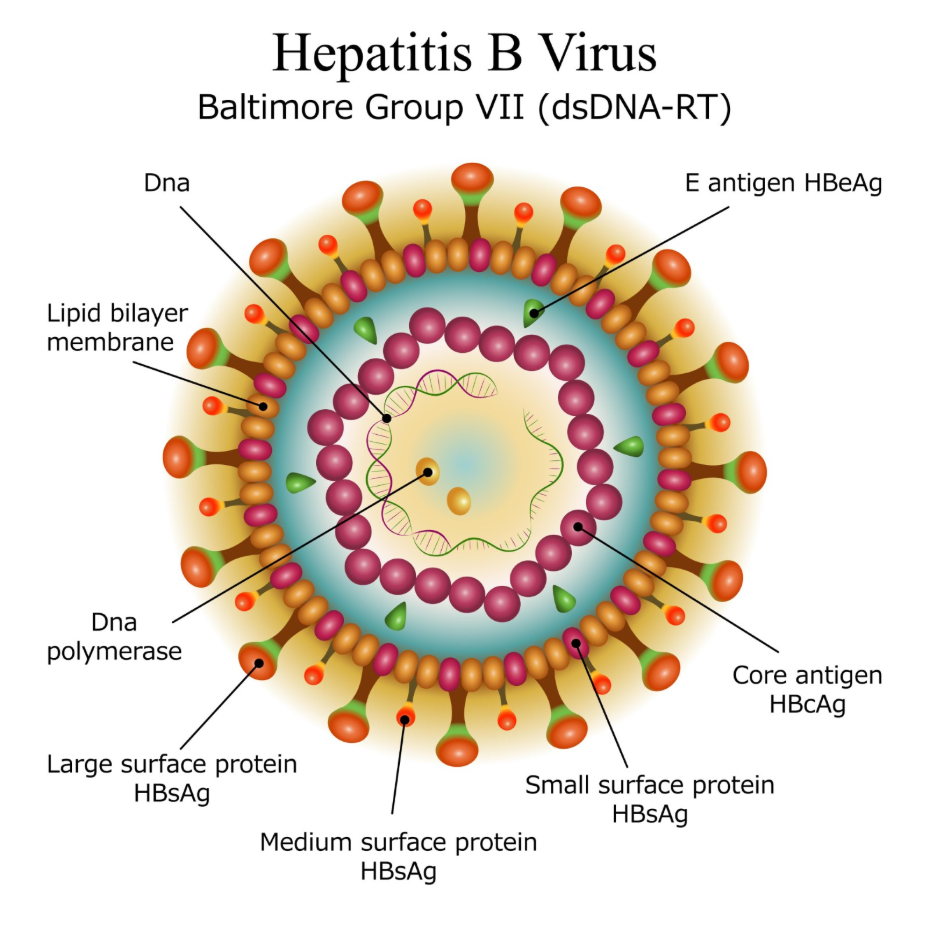
The Hepatitis B vaccine is a highly effective preventative measure designed to protect individuals from a viral infection that can lead to significant liver inflammation and long-term health complications. In the United Kingdom, the vaccination strategy is divided into a universal programme for infants and a targeted programme for adults and children who are at a higher risk of exposure to the virus. By stimulating the immune system to produce specific antibodies, the vaccine provides a robust defence against the Hepatitis B virus, which is primarily transmitted through contact with infected blood or bodily fluids. Understanding who is eligible for this protection is essential for maintaining individual health and supporting public health efforts to reduce the prevalence of liver disease across the country.
What We’ll Discuss in This Article
- The routine universal Hepatitis B vaccination programme for infants.
- Clinical and lifestyle factors that categorise adults as high-risk.
- Occupational eligibility for healthcare and emergency workers.
- The importance of vaccination for household contacts and families.
- Travel related requirements for those visiting high prevalence areas.
- How individuals with chronic health conditions are protected.
Universal Vaccination for Infants
All babies born in the United Kingdom on or after 1 August 2017 are eligible to receive the Hepatitis B vaccine as part of the routine childhood immunisation schedule. This protection is delivered via the 6 in 1 vaccine, which also protects against diphtheria, tetanus, whooping cough, polio, and Haemophilus influenzae type b. The NHS provides this universal infant programme because preventing the infection in early childhood is the most effective way to avoid the development of chronic, lifelong liver disease.
Babies typically receive three doses of the 6 in 1 vaccine at 8, 12, and 16 weeks of age. For infants born to mothers who have a known Hepatitis B infection, an additional accelerated schedule is used to provide immediate protection. These babies receive a standalone Hepatitis B vaccine at birth and at 4 weeks of age, followed by the routine 6 in 1 doses and a final booster at one year, to ensure the virus is not transmitted during or shortly after delivery.
Eligibility for High-risk Groups and Lifestyle Factors
Adults and older children who were not part of the universal infant programme are eligible for the Hepatitis B vaccine if they fall into specific categories associated with an increased risk of exposure. Lifestyle factors such as injecting drugs, having multiple sexual partners, or being a man who has sex with men are primary criteria for receiving the vaccine on the NHS. NICE clinical guidelines recommend that all individuals in these high-risk groups should be offered vaccination to prevent the spread of blood borne viruses.
Individuals who change sexual partners frequently or engage in unprotected sex are encouraged to seek vaccination through their GP or a sexual health clinic. Additionally, people who live in a household with someone who has a chronic Hepatitis B infection should be vaccinated to prevent transmission through shared personal items, such as razors or toothbrushes, which may carry trace amounts of blood. Providing protection to the immediate social circle of an infected person is a vital component of UK preventative medicine.
Occupational Risks and Workplace Safety
Certain occupations carry an inherent risk of exposure to the Hepatitis B virus through accidental needle stick injuries or contact with human blood and bodily fluids. Healthcare workers, including doctors, nurses, and dentists, are required to be vaccinated as part of their professional safety standards. This eligibility also extends to laboratory staff, mortuary workers, and students in training for these roles.
Beyond the clinical environment, other professions are also eligible for the vaccine to ensure workplace safety. This includes emergency service personnel, such as police officers and paramedics, as well as prison staff and individuals working in residential care homes for people with learning disabilities. The UK Health Security Agency provides specific protocols for occupational health departments to ensure these workers complete their full vaccination course and undergo blood tests to confirm they have developed adequate immunity.
Protection for Individuals with Chronic Health Conditions
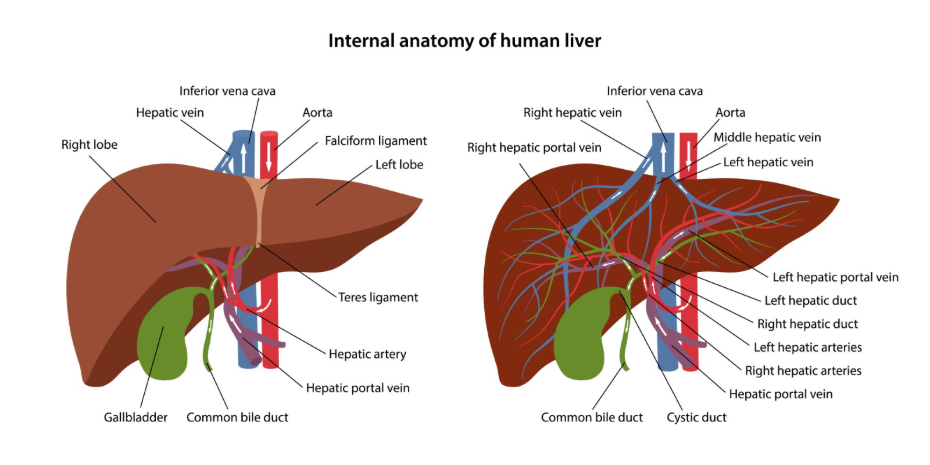
Patients with certain long-term health conditions are prioritised for Hepatitis B vaccination because they are more vulnerable to severe outcomes if they contract the virus. This includes individuals with chronic liver disease, such as those with Hepatitis C or cirrhosis, for whom an additional liver infection could be life threatening. People with chronic kidney disease, particularly those receiving or likely to require dialysis, are also a priority group for immunisation.
Other clinical groups eligible for the vaccine include:
- People with haemophilia or those who frequently receive blood products.
- Individuals with weakened immune systems due to HIV or specific medical treatments.
- People who are awaiting an organ transplant.
- Residents of accommodation for those with severe learning disabilities.
In these cases, the vaccine is used as a proactive measure to safeguard an already compromised system. Clinicians may use different doses or schedules for these patients to ensure the best possible immune response is achieved.
Travel Requirements and High Prevalence Areas
Vaccination is recommended for travellers visiting parts of the world where Hepatitis B is common and where they may be at risk through medical emergencies, tattoos, or other activities. High prevalence regions often include parts of Africa, Asia, Central and South America, and Eastern Europe. While the risk for the average tourist is generally low, the vaccine is strongly advised for those planning a long stay or those who may require medical or dental treatment while abroad.
Travellers who intend to volunteer in healthcare settings, participate in contact sports, or have sexual contact with local residents should also ensure they are vaccinated before departure. In the UK, travel vaccinations for Hepatitis B are sometimes provided on the NHS if the traveller is at significant risk, but in many cases, they may need to be obtained through a private travel clinic. It is recommended to begin the vaccination course at least six weeks before travel to allow for the standard dosing schedule to take effect.
Comparison of Vaccine Dosing Schedules
| Target Group | Vaccine Type | Standard Schedule |
| Infants | 6-in-1 Combined | 8, 12, and 16 weeks |
| At-risk Babies | Standalone + 6-in-1 | Birth, 4 weeks, then routine |
| High-risk Adults | Standalone | 0, 1, and 6 months |
| Urgent Travel | Standalone | Accelerated (0, 7, 21 days + 12m) |
Conclusion
Hepatitis B vaccination is essential for all infants through the routine 6 in 1 programme and for adults with specific occupational, clinical, or lifestyle risks. The vaccine provides a safe and highly effective way to prevent a serious liver infection and its long-term complications. By identifying those at risk and ensuring they complete the full course of injections, the UK healthcare system aims to protect vulnerable individuals and reduce the transmission of the virus. If you experience severe, sudden, or worsening symptoms, call 999 immediately.
Is the Hepatitis B vaccine free for everyone?
The vaccine is free for babies and adults in high-risk groups on the NHS, but travellers may have to pay if it is not a clinical priority.
Can I get the vaccine if I have already been exposed to the virus?
Yes, post exposure prophylaxis with the vaccine and sometimes immunoglobulin can help prevent infection if given very soon after exposure.
How many doses do I need for full protection?
Most adults require three doses over six months to achieve long-term immunity.
Do I need a booster dose later in life?
Most healthy people do not need a booster after the initial course, but healthcare workers may need one after five years.
Can I have the vaccine while I am pregnant?
Yes, the Hepatitis B vaccine is not a live vaccine and is considered safe for use during pregnancy if the mother is at risk.
Does the vaccine protect against Hepatitis C?
No, there is currently no vaccine for Hepatitis C; the Hepatitis B vaccine only protects against its specific virus.
What should I do if I miss a dose in the schedule?
You should have the next dose as soon as possible; there is usually no need to restart the entire course from the beginning.
Authority Snapshot (E-E-A-T)
This article provides medically factual health education regarding Hepatitis B vaccination, strictly aligned with NHS and NICE clinical guidelines. The content is developed by a professional medical writing team and reviewed by Dr. Rebecca Fernandez, a UK-trained physician with experience across internal medicine, surgery, and emergency care. All information follows current UK public health protocols to ensure clinical accuracy and patient safety.



