




Constipation is a frequent experience for many pregnant women, often occurring as the body undergoes significant physiological and hormonal transitions to support the developing foetus. These changes can affect the efficiency of the digestive system, leading to infrequent bowel movements or stools that are difficult to pass. While the experience can be uncomfortable, understanding the underlying biological causes helps in implementing safe and effective lifestyle adjustments to maintain bowel regularity throughout the different stages of pregnancy.
What We’ll Discuss in This Article
- The primary role of hormonal changes, specifically progesterone, in slowing digestion.
- How the physical growth of the uterus exerts pressure on the lower digestive tract.
- The impact of common pregnancy supplements, such as iron, on stool consistency.
- Changes in dietary habits and fluid requirements during the gestational period.
- The influence of reduced physical activity levels on intestinal motility.
- Safe, evidence-based methods for managing constipation symptoms while pregnant.
The Role of Hormonal Changes
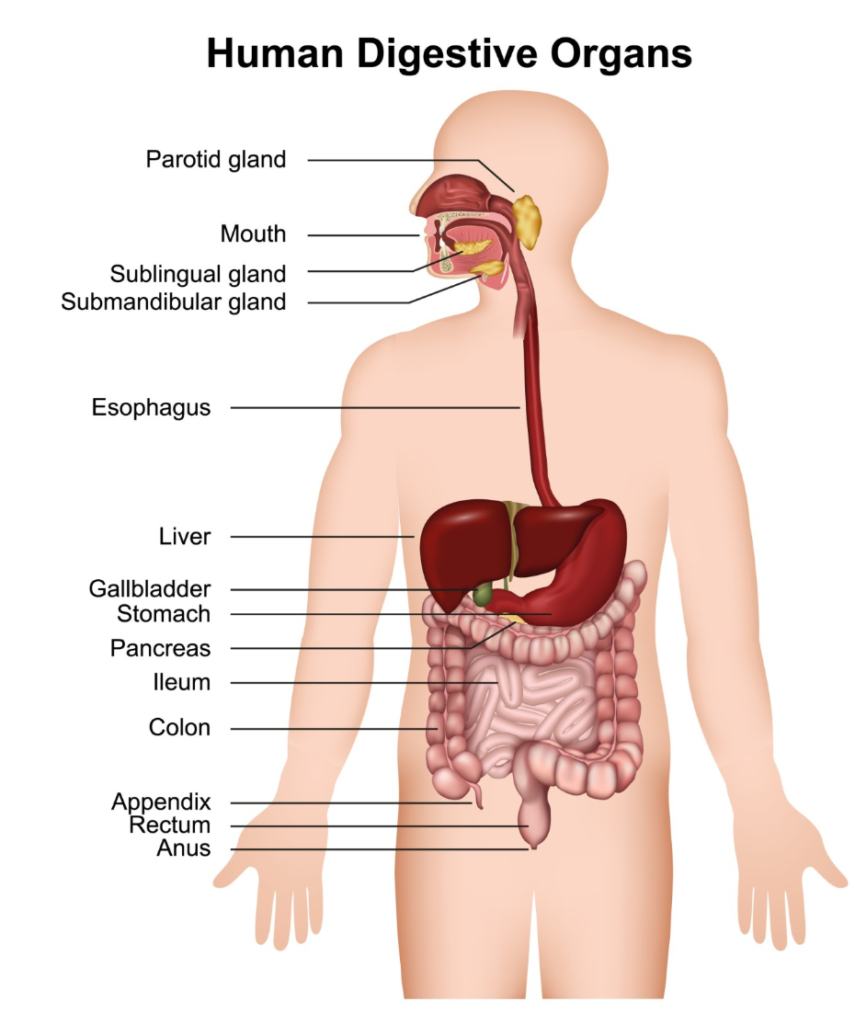
Hormonal fluctuations are a leading cause of constipation in early pregnancy as the body produces higher levels of progesterone to maintain the uterine lining. Progesterone acts as a muscle relaxant, which helps prevent uterine contractions but also affects the smooth muscles of the digestive tract. This relaxation slows down the movement of food and waste through the intestines, a process known as decreased gastric motility. According to the NHS, these hormonal shifts cause food to pass through the gut more slowly, which can lead to constipation. As waste spends more time in the large intestine, more water is reabsorbed by the body, resulting in harder and drier stools.
Physical Pressure from the Growing Uterus
As pregnancy progresses, the physical expansion of the uterus begins to take up significant space within the abdominal cavity, placing direct pressure on the surrounding organs. By the second and third trimesters, the increasing weight and size of the foetus can compress the rectum and the lower parts of the colon. This mechanical obstruction can physically impede the passage of stool, making bowel movements less frequent or more difficult to complete. This pressure is often exacerbated by the anatomical shifts the body undergoes to accommodate the baby, which can temporarily alter the natural alignment of the digestive organs.
Impact of Iron Supplements and Vitamins
Many pregnant women are advised to take iron supplements or prenatal vitamins containing iron, which are known to contribute significantly to constipation. While iron is essential for preventing anaemia and supporting the increased blood volume required during pregnancy, it is often poorly absorbed in the gut. The unabsorbed iron can irritate the lining of the intestines and cause stools to become darker, denser, and harder to pass. The National Institute for Health and Care Excellence notes that iron supplements are a common secondary cause of constipation in pregnant populations. If supplements are found to be a major contributor to discomfort, healthcare providers may suggest alternative formulations or specific timing for intake.
Changes in Diet and Hydration Needs
Dietary shifts and the increased fluid demands of pregnancy play a critical role in determining bowel regularity. Morning sickness or changes in food preferences can lead to a temporary decrease in the intake of fibre-rich foods such as vegetables, fruits, and whole grains. Furthermore, the body requires significantly more water during pregnancy to support the amniotic fluid and increased blood supply. If fluid intake does not keep pace with these elevated requirements, the body will extract more moisture from the digestive tract, leading to constipation. Maintaining a consistent intake of both fibre and water is essential for keeping the stool soft enough to pass easily despite the slower transit time caused by hormones.
Reduced Physical Activity Levels
A decrease in physical activity, often due to fatigue, nausea, or physical discomfort, can contribute to a sluggish digestive system during pregnancy. Regular movement helps stimulate the natural muscular contractions of the intestines, which are necessary for pushing waste toward the rectum. As pregnancy advances, many women find it more difficult to maintain their usual exercise routines, which can lead to a further slowing of gut motility. Gentle activities, such as walking or antenatal swimming, are often recommended to help keep the digestive system active without placing undue strain on the body.
Safe Management and When to Seek Advice
Managing constipation during pregnancy primarily involves lifestyle modifications that are safe for both the mother and the baby. The National Institute for Health and Care Excellence recommends increasing dietary fibre and ensuring adequate fluid intake as the first line of management for pregnancy-related constipation. It is important to consult a midwife or GP before using any over-the-counter laxatives, as some types are more suitable for use during pregnancy than others. You should seek medical advice if constipation is accompanied by severe abdominal pain, persistent vomiting, or if you notice any rectal bleeding, as these symptoms require a professional assessment to ensure there are no other underlying issues.
Conclusion
Constipation is a common side effect of the hormonal and physical changes necessary for a healthy pregnancy. Progesterone, uterine pressure, and iron supplements all contribute to slower digestion and harder stools. By focusing on hydration, a fibre-rich diet, and gentle movement, most women can manage these symptoms effectively. If you experience severe, sudden, or worsening symptoms, call 999 immediately.
Is it safe to take laxatives while pregnant?
Some laxatives are safe for short-term use during pregnancy, but you must always consult your midwife, pharmacist, or GP before taking any medication.
Can constipation in pregnancy cause haemorrhoids?
Yes, the straining associated with constipation, combined with increased pressure on pelvic veins, often leads to the development of haemorrhoids during pregnancy.
Does constipation affect the baby?
While uncomfortable for the mother, occasional constipation does not typically cause any harm to the developing foetus.
How much water should I drink during pregnancy?
Pregnant women are generally advised to drink enough fluid so that their urine remains pale and clear, which usually involves at least eight to ten glasses a day.
Are there specific fruits that help with pregnancy constipation?
High-fibre fruits such as pears, apples with the skin on, and prunes are often helpful for maintaining regularity.
Can morning sickness make constipation worse?
Yes, if morning sickness prevents you from eating fibre or drinking enough water, it can lead to more significant constipation.
Should I stop taking my iron supplements if I am constipated?
You should not stop taking prescribed supplements without speaking to your GP or midwife, as they can suggest ways to manage the side effects or offer an alternative.
Authority Snapshot (E-E-A-T)
This guidance is produced by a dedicated medical content team and is strictly aligned with the clinical standards set by the NHS and NICE. The purpose of this information is to provide pregnant individuals with safe, factual, and evidence-based education regarding digestive health. All content is reviewed by Dr. Stefan Petrov, a UK-trained physician, to ensure accuracy and adherence to UK health protocols.



