




The use of stool tests is a corner stone of the UK national bowel cancer screening programme, offering a non-invasive way to identify markers of disease in people who do not have any symptoms. While these tests are highly effective at identifying individuals who require further investigation, they are screening tools rather than a definitive diagnosis. By looking for microscopic traces of blood, the medical community can identify potential issues early, leading to better outcomes and more effective management of bowel health.
What We’ll Discuss in This Article
- The mechanism and reliability of the Faecal Immunochemical Test used in the UK.
- How stool tests identify invisible markers of bowel cancer and polyps.
- The difference between a screening result and a clinical diagnosis.
- Factors that can influence the accuracy of stool test results.
- The clinical pathway for individuals who receive an abnormal result.
- The importance of regular testing even after a normal result.
The Accuracy of the Faecal Immunochemical Test
The Faecal Immunochemical Test is the primary stool test used by the NHS and is highly reliable for detecting minute traces of human blood that may indicate bowel cancer or pre-cancerous polyps. The NHS bowel cancer screening programme uses the FIT kit because it is more sensitive and easier to complete than older versions of stool tests. It works by using antibodies that specifically bind to human haemoglobin, meaning it is not affected by diet or most medications, which significantly reduces the likelihood of false-positive results compared to previous methods.
While the test is excellent at flagging potential issues, it is important to understand that its reliability is measured by its ability to select people for further testing, such as a colonoscopy. It is not designed to confirm cancer on its own but rather to act as a highly effective filter. Most people who receive an abnormal result will not have cancer, but the test ensures that those who might have growths or early-stage disease are identified and offered diagnostic procedures quickly.
How the Test Identifies Invisible Markers
Stool tests detect bowel cancer by identifying blood that is often invisible to the naked eye and is shed by tumours or polyps as waste passes through the large bowel. Large polyps and cancerous tumours have a tendency to bleed because their blood vessels are more fragile than those of healthy tissue. The FIT kit is designed to detect even microscopic amounts of blood, allowing for the identification of potential issues before any physical symptoms or visible bleeding occur.
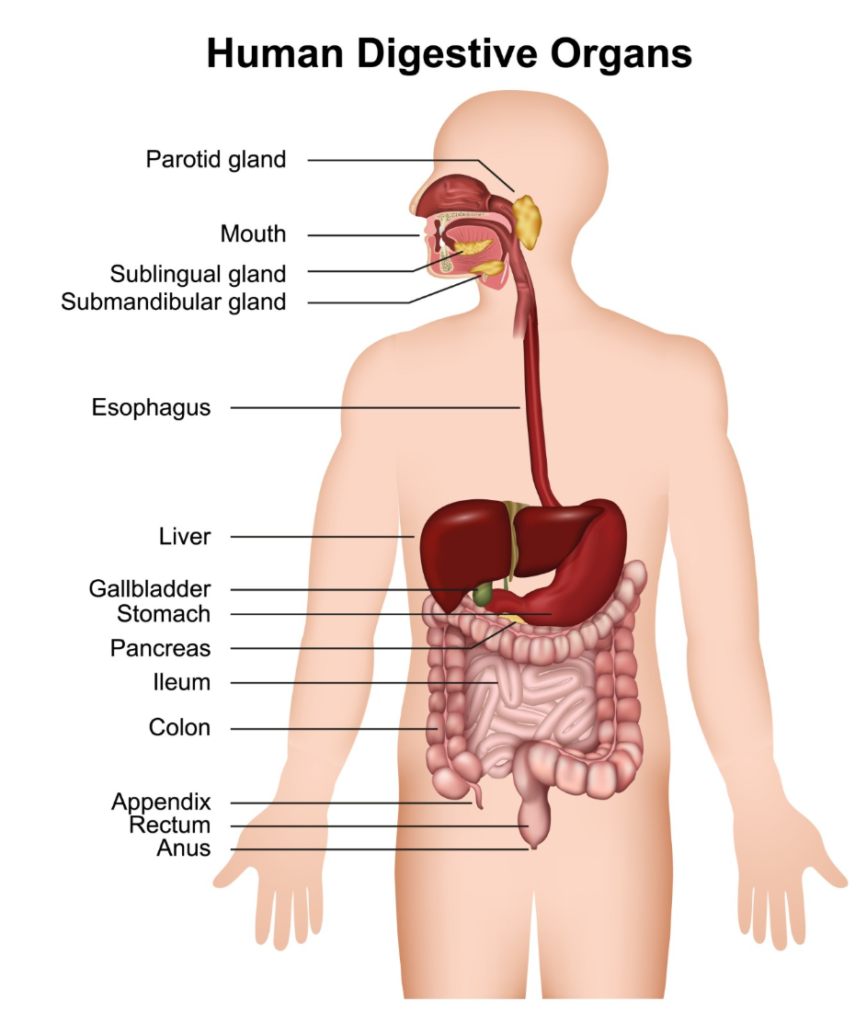
Because tumours and polyps do not bleed at a constant rate, there is a small possibility that a single test may miss a growth if it was not bleeding at the moment the sample was taken. This is why the screening programme is designed as a repeated cycle, with eligible individuals being invited to take the test every two years. Regular participation increases the cumulative reliability of the programme, ensuring that any issues missed in one round are likely to be caught in the next.
Factors Influencing Test Reliability
The reliability of a stool test can be influenced by how the sample is collected and stored before it reaches the laboratory. It is vital to follow the instructions precisely, ensuring the sample stick is used to collect the correct amount of stool and is securely placed back in the tube. If the sample is contaminated with toilet water or urine, or if it is kept in an environment that is too warm for an extended period, the proteins the test looks for may break down, potentially affecting the result.
Certain non-cancerous conditions can also lead to blood in the stool, which the test will correctly identify as an abnormal result. Conditions such as haemorrhoids (piles), inflammatory bowel disease, or small tears in the rectal lining can cause bleeding. While these are not cancer, the test’s job is to detect blood regardless of the source, so a follow-up investigation is always necessary to confirm the cause and ensure the patient receives the correct care for their specific situation.
The Difference Between Screening and Diagnosis
A stool test is a screening tool used to identify a “high-risk” group within a healthy population, whereas a diagnosis requires a visual examination or tissue analysis. NICE guidelines state that individuals with a positive FIT result should be referred for further investigation, usually a colonoscopy, to determine the exact nature of any bowel changes. This distinction is crucial for patient understanding: a “positive” or “abnormal” stool test is an indication that more information is needed, not a confirmation of disease.
| Feature | Stool Test (FIT) | Colonoscopy |
| Purpose | Initial screening for markers | Definitive diagnosis and treatment |
| Procedure | Non-invasive home kit | Invasive hospital procedure |
| Detection | Detects hidden blood | Visualises bowel and polyps |
| Action | Flags need for further tests | Can remove polyps or take biopsies |
The reliability of the UK’s overall approach comes from combining the ease and high sensitivity of the FIT kit with the definitive diagnostic power of the colonoscopy. This two-step process ensures that the healthcare system can monitor millions of people efficiently while focusing intensive medical resources on those who most likely need them.
The Importance of Routine Participation
The reliability of bowel cancer detection is significantly higher for those who participate in the screening programme every time they are invited. Because bowel cancer usually develops slowly over several years, a single test provides a snapshot in time. Regular testing every two years provides a longitudinal safety net, catching the majority of cancers at an early stage when they are much easier to treat and have a higher chance of a successful outcome.
Individuals should not rely on a previous “normal” result if they begin to experience symptoms. If a person notices a persistent change in bowel habit, unexplained weight loss, or visible blood in their stool, they must seek medical advice through their GP. Stool tests are designed for people without symptoms; if symptoms are present, a different diagnostic pathway is required to ensure the cause is investigated thoroughly and promptly.
Conclusion
Stool tests like the FIT kit are highly reliable screening tools that play a vital role in identifying early markers of bowel cancer in the UK. While they do not provide a final diagnosis, their ability to detect microscopic blood allows for the early identification of polyps and tumours. Regular participation in the national screening programme is the most effective way to utilis these tests for long-term bowel health. If you experience severe, sudden, or worsening symptoms, call 999 immediately.
Can the stool test tell the difference between cancer and piles?
No, the test only detects the presence of blood; a follow-up colonoscopy is required to determine if the blood is caused by piles, polyps, or cancer.
Is the FIT kit more accurate than the old FOBT test?
Yes, the FIT kit is more sensitive, requires only one stool sample, and is more specific to human blood, which reduces errors.
Can I do the test if I have visible blood in my stool?
If you have visible blood or other symptoms, you should consult your GP for an assessment rather than waiting for a screening kit.
What happens if my stool sample is too small?
The laboratory may not be able to process the sample, and you will be sent a replacement kit to repeat the collection.
Does a “normal” result mean I am 100% clear of cancer?
A normal result means no blood was found at that time, but it is not a guarantee, which is why testing every two years is essential.
Should I stop taking aspirin before doing the stool test?
Unlike older tests, the FIT kit usually does not require you to stop taking medications, but you should follow the specific instructions provided with your kit.
How long can I keep the sample at home before posting it?
You should post the sample as soon as possible, ideally on the same day or the next day, using the pre-paid envelope provided.
Authority Snapshot (E-E-A-T)
This article is designed to provide clear, evidence-based information on UK bowel screening protocols in line with NHS and NICE standards. Our content is generated by a specialist medical team and reviewed by Dr. Stefan Petrov, a UK-trained physician with extensive clinical experience in general medicine and diagnostics. All information is verified against current national health guidelines to ensure it is safe and accurate for the general public.



