




Genetic testing is a highly valuable tool for identifying individuals who have an increased risk of developing bowel cancer due to inherited gene mutations. While the majority of bowel cancer cases occur sporadically and are not directly linked to family history, a small proportion of cases are caused by specific genetic conditions passed down through generations. Identifying these genetic markers allows the NHS to provide personalised surveillance and preventative measures for at-risk family members, potentially detecting cancer at an earlier, more treatable stage or preventing it entirely.
What We’ll Discuss in This Article
- The role of genetic testing in identifying inherited bowel cancer syndromes.
- Specific conditions such as Lynch syndrome and Familial Adenomatous Polyposis.
- The criteria used by the NHS to determine who is eligible for genetic testing.
- How a genetic diagnosis changes the frequency and type of bowel screening.
- The process of genetic counselling and testing for family members.
- The benefits of early identification for long-term health management.
The Utility of Genetic Testing for Inherited Risk
Genetic testing is useful because it can confirm whether a family history of bowel cancer is due to an inherited genetic condition rather than a combination of shared environmental factors or chance. By analysing a DNA sample, usually from blood or saliva, scientists can look for specific changes in genes that are known to increase the likelihood of developing colorectal tumours. Confirming a genetic link allows healthcare providers to move beyond general population screening and offer more intensive, targeted monitoring.
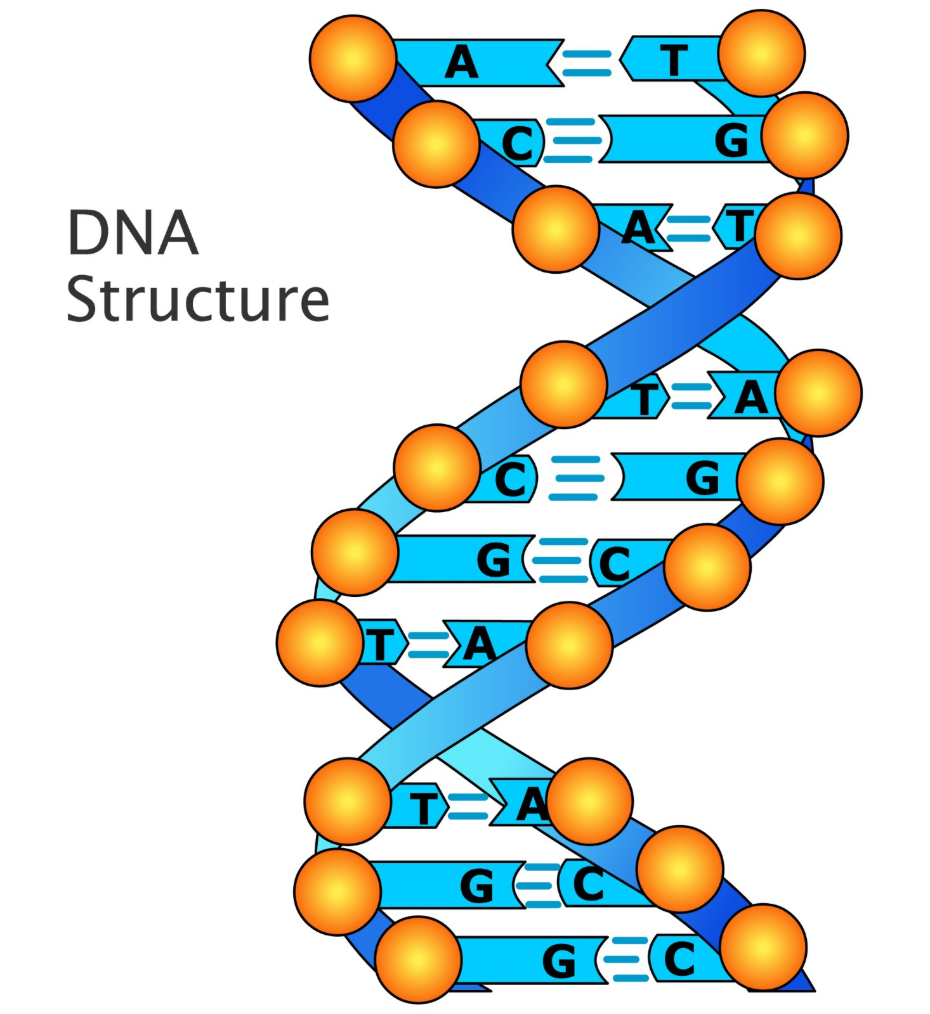
For many families, a clear genetic result provides clarity and a structured plan for future health. If a specific mutation is found in a family member who has had cancer, other relatives can then be tested to see if they have inherited the same variant. The NHS provides genetic testing for Lynch syndrome to all people diagnosed with bowel cancer to help identify families who may be at increased risk. This universal testing approach ensures that inherited risks are caught early, even in families where the history was not previously obvious.
Common Inherited Bowel Cancer Syndromes
The most common inherited condition identified through genetic testing is Lynch syndrome, which is caused by mutations in mismatch repair genes. People with Lynch syndrome have a significantly higher lifetime risk of developing bowel cancer and certain other types of cancer. Another well-known but rarer condition is Familial Adenomatous Polyposis, which leads to the development of hundreds of polyps in the large bowel during teenage years or early adulthood.
NICE guidelines recommend specific pathways for the testing and surveillance of these genetic conditions to ensure that individuals receive appropriate clinical care. Identifying these syndromes is critical because the standard two-yearly home stool test used for the general population is often insufficient for these high-risk groups. Instead, those with a confirmed genetic diagnosis are usually enrolled in a programme of regular colonoscopies, which allow for the direct visual inspection of the bowel and the removal of polyps before they become malignant.
Eligibility Criteria for Genetic Referral
Not everyone with a family history of bowel cancer will require genetic testing, as the NHS uses specific criteria to determine who would benefit most from a referral to a clinical genetics service. Generally, a referral is considered if there are several relatives on the same side of the family diagnosed with bowel cancer, or if a relative was diagnosed at an unusually young age, typically under 50. The presence of other related cancers in the family, such as womb, ovarian, or stomach cancer, may also be a factor.
Clinicians use these patterns to calculate the probability of a hereditary cause. If the family history meets the required threshold, the individual is referred to a specialist genetic counsellor or clinical geneticist. This professional will draw a detailed family tree, explain the implications of testing, and discuss the potential impact on insurance and family planning. The goal is to ensure that testing is targeted toward those who are most likely to carry a significant mutation.
How Genetic Results Guide Clinical Management
A positive genetic test result changes the clinical management of a patient by shifting them from routine screening to a high-intensity surveillance programme. For example, individuals with Lynch syndrome are often advised to have a colonoscopy every two years, starting in their twenties or thirties. This is much more frequent than the standard screening offered to the general public, which usually begins at age 50 or 54.
| Feature | General Population Screening | Inherited Syndrome Surveillance |
| Starting Age | Age 50 to 54 | Age 25 to 35 (typical) |
| Primary Tool | Home FIT kit (stool test) | Hospital colonoscopy |
| Frequency | Every 2 years | Every 1 to 2 years |
| Goal | Early detection of cancer | Prevention and polyp removal |
In some cases, if the risk of cancer is exceptionally high or if polyps cannot be managed through colonoscopy alone, preventative surgery may be discussed as an option. Genetic testing also allows for “cascade testing,” where the children and siblings of an affected person can be tested. Those who test negative for the family mutation can be reassured that their risk is the same as the general population and do not need extra hospital appointments.
The Testing Process and Genetic Counselling
The process of genetic testing involves several steps, beginning with a detailed consultation to ensure the individual understands the potential outcomes. Genetic counselling is a core part of this process, providing psychological support and factual information about how genes are inherited. GOV.UK provides information on how the UK Health Security Agency manages population screening and the integration of genetic data into public health.
Once the individual consents, a sample is taken and sent to a specialist laboratory. Results can take several weeks or even months to process, as the laboratory must carefully sequence the relevant genes to find specific mutations. Once the results are available, they are shared with the patient in a follow-up appointment. If a mutation is found, the clinical team will provide a clear plan for future screening and offer information that can be shared with other family members who might be at risk.
Conclusion
Genetic testing is a vital component of modern bowel cancer prevention for families with a strong history of the disease. By identifying specific mutations like Lynch syndrome, the NHS can provide targeted surveillance that significantly reduces the risk of cancer developing or progressing. While not everyone with a family history needs genetic testing, those who meet the clinical criteria benefit from a clearer understanding of their health. If you experience severe, sudden, or worsening symptoms, call 999 immediately.
If my relative had bowel cancer at age 80, do I need genetic testing?
Late-onset bowel cancer is usually sporadic and not linked to a single inherited gene, so testing is typically not recommended unless there are several other affected relatives.
Does a negative genetic test mean I will never get bowel cancer?
No, a negative test means you do not have that specific inherited mutation, but you still have the same “average” risk as the rest of the population.
Can genetic testing be done during pregnancy?
Genetic testing for bowel cancer risk is usually not urgent and is typically delayed until after pregnancy to avoid unnecessary stress, unless there are exceptional clinical reasons.
Will a genetic diagnosis affect my life insurance?
In the UK, there are specific agreements regarding how genetic test results are used by insurers; usually, results from predictive tests for cancer risk do not need to be disclosed for most standard policies.
How many people with bowel cancer have an inherited condition?
It is estimated that around 5% to 10% of all bowel cancers are related to an inherited genetic mutation, with Lynch syndrome being the most common.
Can children be tested for bowel cancer genes?
Testing in childhood is only performed for conditions where management needs to start before adulthood, such as Familial Adenomatous Polyposis.
What is the difference between a germline and a somatic mutation?
A germline mutation is inherited and present in every cell of the body, whereas a somatic mutation occurs only within the tumour cells themselves.
Authority Snapshot (E-E-A-T)
This article provides medically factual information regarding genetic testing for bowel cancer in the UK, strictly aligned with NHS and NICE clinical guidelines. The content has been authored by a dedicated medical writing team and reviewed by Dr. Stefan Petrov, a UK-trained physician with experience in general medicine and diagnostic pathways. All information is sourced from official UK health authorities to ensure accuracy and patient safety.



