




Bowel cancer symptoms often overlap with those of common, non-cancerous conditions such as Irritable Bowel Syndrome or haemorrhoids. Because the lower digestive tract responds to various forms of irritation in similar ways, it can be challenging for individuals to distinguish between a minor issue and a more serious underlying health concern based on physical sensations alone. Understanding the nuances of these symptoms and the importance of clinical investigation is essential for ensuring that any changes in bowel health are correctly identified and managed.
What We’ll Discuss in This Article
- Why bowel cancer symptoms frequently mimic benign conditions.
- The specific similarities between bowel cancer and Irritable Bowel Syndrome.
- Distinguishing between rectal bleeding from haemorrhoids and other causes.
- The role of the NHS diagnostic pathway in preventing misinterpretation.
- Key red flag symptoms that necessitate formal clinical investigation.
- How age and medical history influence the assessment of bowel symptoms.
Overlap Between Bowel Cancer and Benign Conditions
Bowel cancer can present with symptoms that are identical to benign conditions such as Irritable Bowel Syndrome, haemorrhoids, or diverticular disease. This occurs because tumours in the large bowel can cause changes in stool consistency, frequency of bowel movements, and abdominal discomfort, all of which are also hallmark signs of functional bowel disorders. Because benign conditions are statistically much more common than cancer, individuals may initially attribute their symptoms to diet or stress rather than a malignant growth.
The NHS recommends that any persistent change in bowel habit lasting three weeks or more should be investigated by a healthcare professional. Clinical assessment is necessary because the presence of blood or a change in toilet habits can be caused by inflammation, infection, or growths. While the majority of cases result in a non-cancerous diagnosis, the similarity in presentation means that healthcare providers must follow structured protocols to rule out malignancy, especially in older age groups or those with specific risk factors.
Distinguishing Between IBS and Bowel Cancer
Irritable Bowel Syndrome is a common condition that affects the digestive system, causing symptoms like stomach cramps, bloating, diarrhoea, and constipation that can closely resemble early signs of bowel cancer. Both conditions may result in a feeling of incomplete emptying of the bowels or persistent abdominal bloating. However, IBS is a functional disorder that does not typically cause weight loss or anaemia, whereas these can be significant indicators of more serious bowel pathology.
NICE guidelines provide clear criteria for when patients with symptoms of Irritable Bowel Syndrome should be referred for further tests to exclude other conditions. Clinicians look for specific indicators that do not fit the typical pattern of IBS, such as symptoms starting for the first time in a person over the age of 50. While IBS symptoms often fluctuate and may be linked to certain foods or periods of stress, symptoms related to bowel cancer tend to be persistent or progressively worsen over time.
Haemorrhoids and Rectal Bleeding
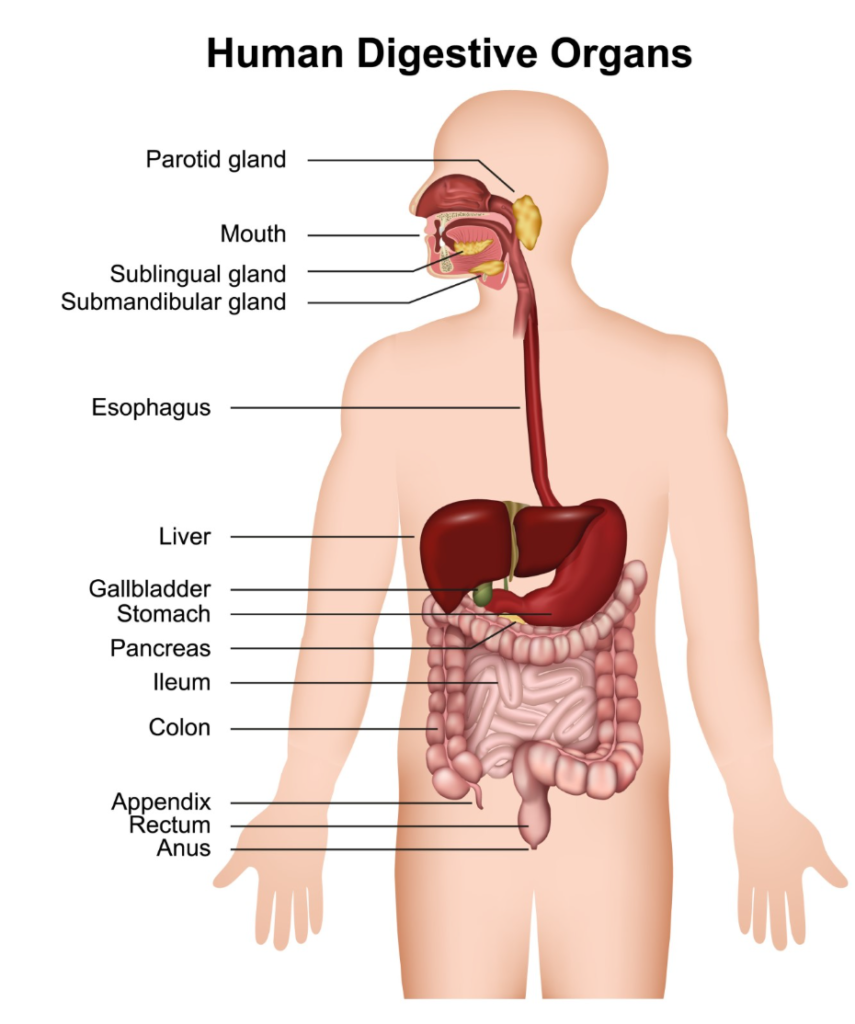
Rectal bleeding is a common symptom of both haemorrhoids and bowel cancer, making it one of the most frequent reasons for clinical investigation. Haemorrhoids, also known as piles, are swollen blood vessels in or around the anus that can cause bright red blood to appear on toilet paper or in the stool. Because piles are highly prevalent, many people assume that any rectal bleeding is due to this benign cause, potentially delaying the investigation of blood that originates further up in the bowel.
A key difference often noted by clinicians is the colour and consistency of the blood. Blood from haemorrhoids is usually bright red and may be accompanied by itching or discomfort around the anus. In contrast, blood related to a tumour higher up in the colon may be darker or mixed within the stool itself, making it less obvious to the naked eye. Regardless of the suspected cause, new or unexplained bleeding should never be self-diagnosed and requires a physical examination or a diagnostic test to confirm the source.
The NHS Diagnostic Pathway
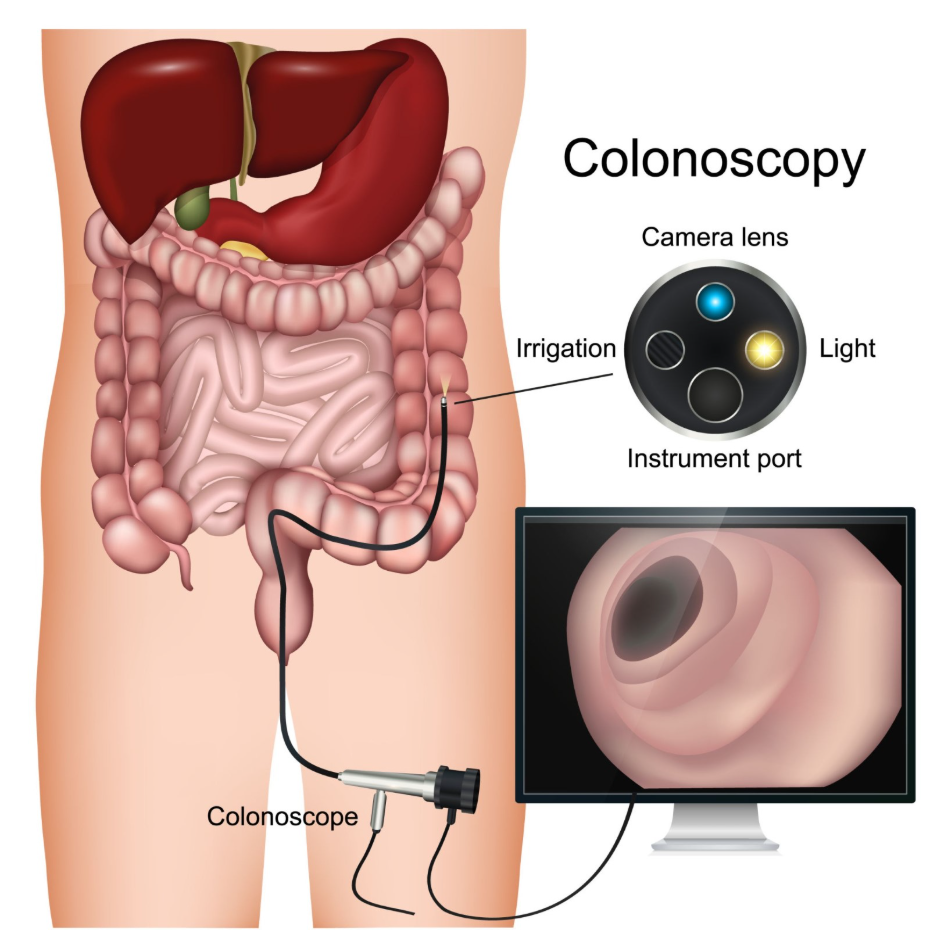
To prevent the misinterpretation of symptoms, the NHS follows a rigorous diagnostic pathway that uses objective testing to supplement physical examinations. If an individual presents with symptoms that could be either benign or malignant, the first step often involves a Faecal Immunochemical Test to look for hidden blood. This test is highly sensitive and helps clinicians decide who needs more invasive investigations like a colonoscopy or a flexible sigmoidoscopy.
Getty Images
| Feature | Irritable Bowel Syndrome (IBS) | Bowel Cancer |
| Common Age | Often starts in young adulthood | More common over age 50 |
| Pain | Often relieved by passing wind or stool | Often persistent or worsens after eating |
| Weight Loss | Not typical of IBS | Possible unexplained weight loss |
| Blood in Stool | Not a symptom of IBS | Possible (visible or hidden) |
| Anaemia | Not a symptom of IBS | Possible due to internal blood loss |
This structured approach ensures that the diagnosis is based on clinical evidence rather than symptoms alone. If a benign condition like IBS is suspected, the clinician will usually perform blood tests to check for markers of inflammation or anaemia. If these tests or the stool test return abnormal results, a referral for an internal examination is made to provide a definitive answer.
Monitoring Persistent Symptoms
The most significant factor in distinguishing between a benign condition and something more serious is the persistence and progression of the symptoms. Benign conditions like haemorrhoids or IBS often have periods of flare-ups followed by periods of relative normalcy. In contrast, symptoms caused by a malignant growth often persist and may gradually become more severe as the growth increases in size.
Individuals who have been diagnosed with a benign condition should still remain vigilant. If symptoms change, such as the introduction of new pain, a different type of bleeding, or unexpected fatigue, it is important to seek a re-evaluation. A previous diagnosis of IBS or piles does not prevent a person from developing bowel cancer later in life, so new or worsening symptoms should always be treated as a fresh concern requiring clinical review.
Conclusion
Bowel cancer symptoms can be very similar to benign conditions like IBS or haemorrhoids, which is why professional clinical investigation is essential. Relying on self-assessment can lead to delays, whereas following the established NHS diagnostic pathway allows for the correct cause to be identified. Early detection of any bowel change significantly improves the effectiveness of management and long-term health outcomes. If you experience severe, sudden, or worsening symptoms, call 999 immediately.
Can stress cause symptoms that look like bowel cancer?
Stress can worsen functional conditions like IBS, leading to bloating and changed bowel habits, but it does not cause rectal bleeding or unexplained weight loss.
Is it possible to have both haemorrhoids and bowel cancer at the same time?
Yes, having a benign condition like piles does not protect against bowel cancer, which is why all new bleeding must be checked.
What is the most common reason for a change in bowel habits?
Changes are most frequently caused by diet, infection, or conditions like IBS, but cancer must be ruled out if the change is persistent.
How long should I wait before seeing a doctor about bowel changes?
The current guidance is to seek medical advice if any change in bowel habit or abdominal pain lasts for three weeks or more.
Can a stool test tell the difference between cancer and IBS?
A stool test looks for blood; while it cannot diagnose IBS, a negative result for blood makes a cancer diagnosis less likely and supports the investigation of functional issues.
Why does age matter when discussing these symptoms?
While younger people can get bowel cancer, it is statistically much more likely in older adults, so clinicians may use different investigation thresholds based on age.
Does bloating always mean something is wrong with my bowel?
Occasional bloating is common and usually related to diet, but persistent bloating that does not go away should be discussed with a professional.
Authority Snapshot (E-E-A-T)
This article provides medically safe information intended for patient education and is strictly aligned with the clinical guidelines of the NHS and NICE. The content is authored by a professional medical writing team and reviewed by Dr. Stefan Petrov, a UK-trained physician with extensive experience in emergency care, surgery, and general medicine. Public health information regarding bowel symptom awareness and screening is maintained by the UK Health Security Agency on GOV.UK.



