




Hepatitis A is a highly contagious liver infection caused by the hepatitis A virus (HAV), primarily resulting in acute inflammation of the liver tissue. Unlike some other forms of viral hepatitis, such as hepatitis B or C, hepatitis A does not typically cause long-term chronic liver disease and most individuals recover fully within a few weeks or months. The virus is usually transmitted through the consumption of contaminated food or water or through close physical contact with an infectious person. Understanding the biological impact of the virus on liver function and the common routes of transmission is essential for maintaining public health and ensuring that individuals in the United Kingdom take appropriate preventative measures, particularly when travelling to regions where the virus is more prevalent.
What We’ll Discuss in This Article
- The biological nature of the hepatitis A virus and its transmission
- How the virus enters and affects the liver cells
- Common symptoms including jaundice and digestive upset
- The difference between acute infection and chronic liver disease
- UK clinical guidelines for management and recovery
- Preventative measures including vaccination and hygiene standards
The Nature of Hepatitis A and Transmission Routes
Hepatitis A is a viral infection that specifically targets the liver, and it is most commonly spread through the faecal-oral route. This means the virus is typically ingested after a person consumes food or water that has been contaminated with the faeces of an infected individual, even in microscopic amounts. In the United Kingdom, many cases are linked to travel in parts of the world where sanitation and water treatment standards may be lower.
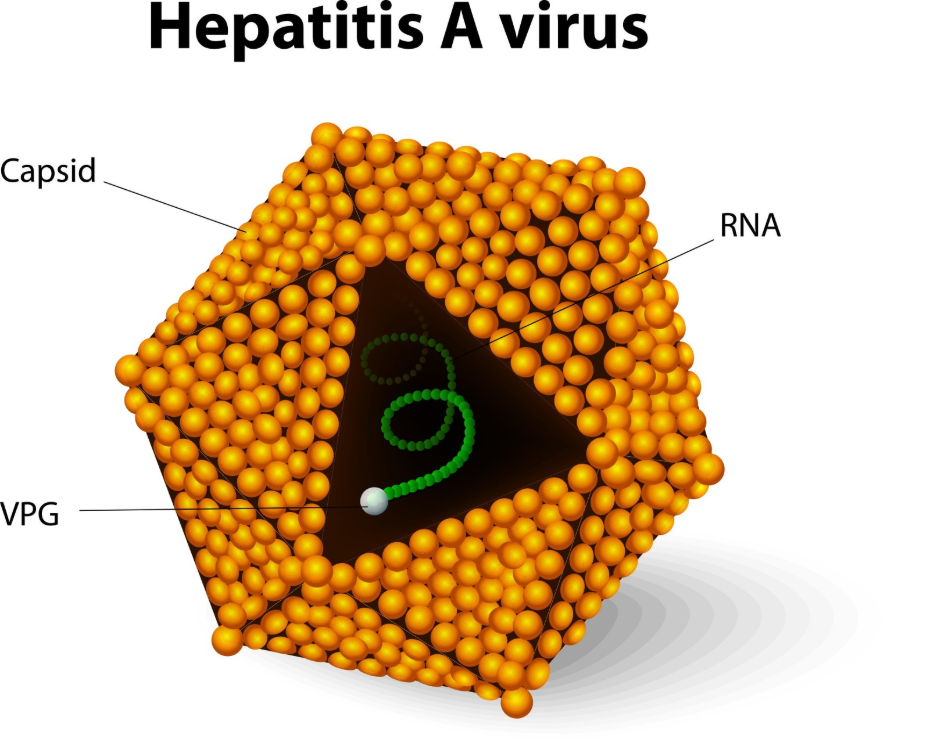
Hepatitis A is a liver infection caused by a virus that is usually spread in the poo of an infected person. Transmission can also occur through close personal contact, such as within a household or through sexual activity. Because the virus can survive outside the body on surfaces or in water for significant periods, it is highly resilient. Good hand hygiene and the thorough cooking of food are primary defences against the spread of the virus.
How the Virus Affects Liver Function
The hepatitis A virus primarily affects the liver by invading the hepatocytes (liver cells) and triggering an immune response that leads to inflammation. Once the virus enters the bloodstream via the digestive tract, it migrates to the liver where it begins to replicate. The damage to the liver is not caused directly by the virus itself, but rather by the body’s immune system as it attempts to destroy the infected cells.
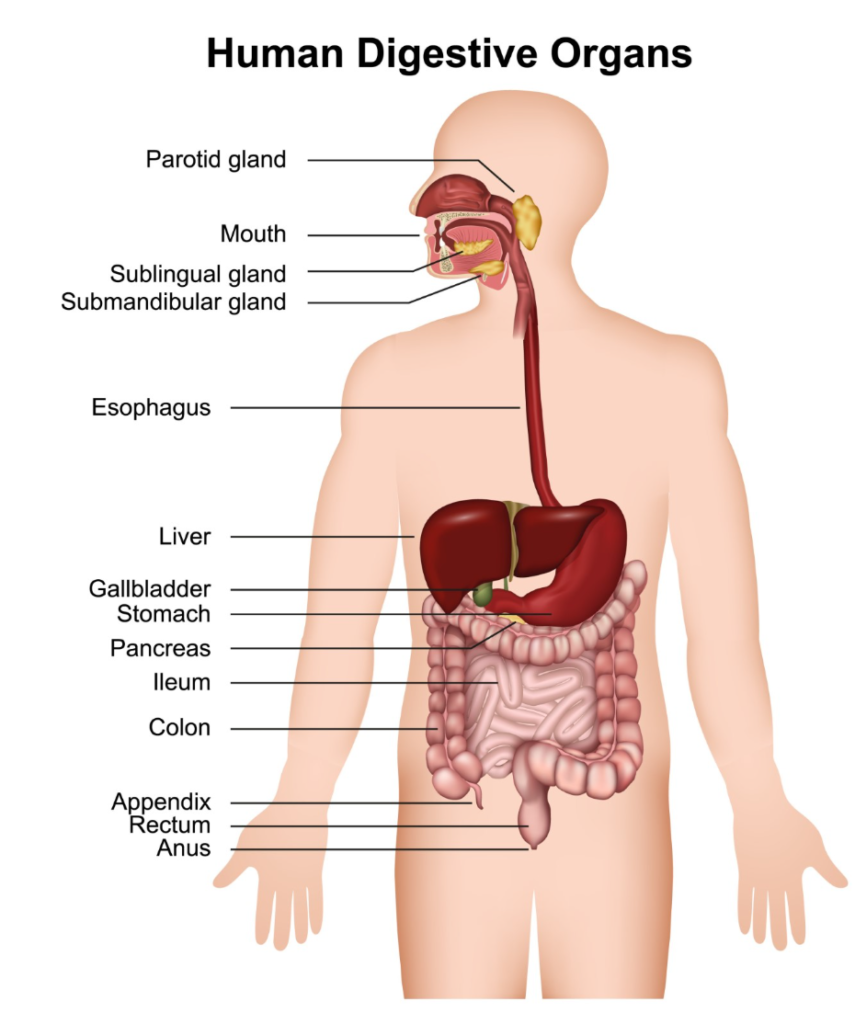
As the immune system attacks the infected hepatocytes, the liver becomes swollen and tender, which can impair its ability to filter toxins and produce essential proteins. Hepatitis is the term used to describe inflammation of the liver, which can be caused by a viral infection or by drinking too much alcohol. This inflammation disrupts the normal metabolic processes of the liver, often leading to the accumulation of bilirubin in the blood, which manifests physically as jaundice. While the inflammation is often intense during the acute phase, the liver possesses a high regenerative capacity, allowing it to repair the damage once the virus has been cleared from the system.
Symptoms and Clinical Presentation
The symptoms of hepatitis A often develop several weeks after exposure and vary in severity from person to person. Early signs often resemble a flu-like illness, including fever, joint pain, and general malaise. As the liver inflammation progresses, more specific symptoms related to liver dysfunction emerge, such as dark-coloured urine, pale stools, and itchy skin.
One of the most recognisable clinical features of hepatitis A is jaundice, where the skin and the whites of the eyes take on a yellow tint. This occurs because the inflamed liver cannot effectively process bilirubin, a waste product formed from the breakdown of red blood cells. Patients may also experience significant digestive upset, including nausea, vomiting, and pain in the upper right side of the abdomen where the liver is located. While most people recover without lasting issues, the symptoms can be debilitating and may last for several months, requiring significant rest and supportive care.
Acute Infection vs Chronic Disease
Hepatitis A is characterised as an acute infection, meaning it has a sudden onset and a limited duration, unlike hepatitis B or C which can become chronic. Once a person has recovered from hepatitis A, their immune system develops lifelong antibodies that protect them from being infected by the same virus again. The virus does not stay in the body long-term, and it does not typically lead to permanent liver scarring (cirrhosis) or liver cancer.
| Feature | Hepatitis A | Hepatitis B/C |
| Onset | Acute (sudden) | Can be Acute or Chronic |
| Transmission | Contaminated food/water | Blood and bodily fluids |
| Duration | 2 to 6 months | Can be lifelong |
| Vaccine | Available | Available (B) / No (C) |
| Carrier State | None | Possible |
In very rare cases, particularly in older adults or those with pre-existing liver conditions, hepatitis A can lead to acute liver failure. This is a medical emergency where the liver suddenly loses its ability to function. However, for the vast majority of the UK population, the infection is self-limiting, and the liver returns to its normal size and function within a few months of the initial symptoms.
Management and Recovery in the UK
There is no specific clinical treatment or antiviral medication for hepatitis A, as the body’s immune system usually clears the virus on its own. Management focuses on supportive care to alleviate symptoms and prevent further stress on the liver during the inflammatory phase. This includes maintaining high levels of hydration, ensuring adequate nutrition, and obtaining plenty of rest.
Individuals are strictly advised to avoid alcohol and certain medications that are processed by the liver until a healthcare professional confirms that the liver has fully recovered. The National Institute for Health and Care Excellence provides guidelines for the management of viral hepatitis, emphasising the importance of supportive care and the prevention of secondary transmission. Regular blood tests may be required to monitor liver function markers and ensure that the inflammation is subsiding. Public health authorities are often notified of cases to help identify potential outbreaks and protect the wider community.
Prevention and Vaccination
The most effective ways to prevent hepatitis A are through high standards of personal hygiene and the use of the hepatitis A vaccine. Handwashing after using the bathroom and before preparing food is essential for preventing the faecal-oral spread of the virus. When travelling to high-risk areas, individuals should be cautious of consuming untreated water, ice, and raw or unpeeled fruits and vegetables.
The hepatitis A vaccine is highly effective and is recommended for individuals at increased risk, including those with chronic liver disease, men who have sex with men, and people travelling to countries where the virus is common. The vaccine stimulates the immune system to produce antibodies without causing the disease itself. Maintaining high vaccination rates and public hygiene standards remains the primary method for controlling the prevalence of hepatitis A within the United Kingdom and globally.
Conclusion
Hepatitis A is an acute viral infection that cause significant liver inflammation but typically resolves without causing permanent damage. While the symptoms like jaundice and fatigue can be severe, most people make a full recovery and gain lifelong immunity. Prevention through vaccination and rigorous hand hygiene is vital, particularly for travellers and those in close contact with infected individuals. If you experience severe, sudden, or worsening symptoms, call 999 immediately.
How long does it take to recover from hepatitis A?
Most people feel better within a few weeks, though it can take up to six months for the liver to return to normal function completely.
Can I get hepatitis A more than once?
No, once you have had the infection or the full course of the vaccine, your body develops lifelong immunity to the virus.
Is hepatitis A the same as hepatitis B?
No, they are different viruses; hepatitis A is spread through contaminated food and is acute, while hepatitis B is spread through blood and can become chronic.
What should I eat while recovering from hepatitis A?
Focus on a balanced diet with plenty of fluids and strictly avoid alcohol to reduce the workload on your inflamed liver.
Can I go to work if I have hepatitis A?
You are usually infectious for about a week after jaundice appears, so you must stay home from work or school to prevent spreading the virus.
Is there a cure for hepatitis A?
There is no specific cure or antibiotic for the virus; the body’s immune system must clear it naturally while you receive supportive care.
Is the hepatitis A vaccine safe?
The vaccine is considered very safe and effective, with most people only experiencing minor side effects like soreness at the injection site.
Authority Snapshot (E-E-A-T)
This medical education content provides accurate, evidence-based information regarding hepatitis A for the UK public. The material is developed by a professional medical writing team and reviewed by Dr. Stefan Petrov, a UK-trained physician with experience in general medicine, surgery, and emergency care. All information provided is strictly aligned with the clinical standards and diagnostic pathways provided by the NHS and the National Institute for Health and Care Excellence (NICE).



