




Hepatitis B is a viral infection primarily transmitted through direct contact with the blood or certain body fluids of an infected person. The virus is highly resilient and remains infectious even in microscopic amounts, meaning transmission can occur through various routes including childbirth, sexual contact, or the sharing of contaminated equipment. In the United Kingdom, public health measures focus on universal infant vaccination, targeted screening for at-risk groups, and strict infection control in clinical settings to prevent the spread of the virus. Because the virus can survive outside the body for at least seven days, understanding the specific mechanisms of transmission is essential for maintaining personal safety and supporting national efforts to reduce the prevalence of chronic liver disease.
What We’ll Discuss in This Article
- The biological resilience and infectivity of the hepatitis B virus
- Vertical transmission from mother to baby during childbirth
- Risks associated with sexual contact and mucosal exposure
- Blood-to-blood transmission via shared needles and equipment
- Household transmission through shared personal care items
- Healthcare safety standards and post-exposure protocols in the UK
Biological Resilience and Viral Load in Fluids
The hepatitis B virus is significantly more infectious than many other blood-borne pathogens because it can survive on environmental surfaces for at least seven days while remaining capable of causing infection. Hepatitis B is a liver infection caused by a virus that is spread through blood and body fluids, and it can survive outside the body for a considerable time.
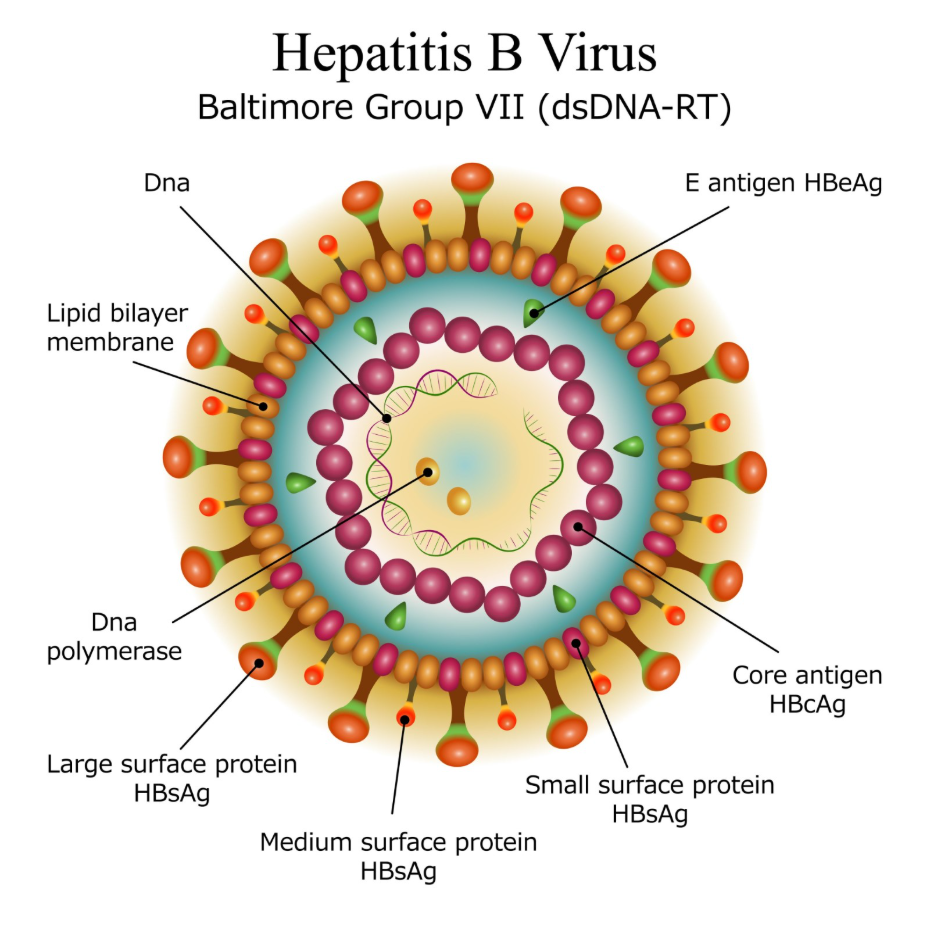
Transmission occurs when the virus enters the bloodstream of a person who is not immune, either through a break in the skin or through mucous membranes such as those found in the mouth, eyes, or genital tract. The virus is found in the highest concentrations in the blood, followed by semen and vaginal secretions. Other body fluids, such as saliva, may contain the virus but are generally considered to have a negligible risk of transmission unless they are contaminated with visible blood. Because the viral load can be extremely high in an infected individual, only a minute amount of fluid is required to establish an infection in a new host.
Vertical Transmission from Mother to Baby
One of the most common routes of hepatitis B transmission globally, and a major clinical focus in the UK, is the spread from an infected mother to her baby during the birthing process. This is known as vertical or perinatal transmission and typically occurs when the infant comes into contact with the mother’s blood and vaginal fluids during labour and delivery.
The National Institute for Health and Care Excellence provides guidelines for the management of hepatitis B, emphasising the importance of screening all pregnant women to prevent transmission to the newborn. To mitigate this risk, every pregnant woman in the UK is offered a screening test as part of her routine antenatal care. If the mother is found to be a carrier of the virus, her baby is given a dose of the hepatitis B vaccine and, in some cases, hepatitis B immunoglobulin within 24 hours of birth. This immediate intervention is highly effective at preventing the baby from developing a lifelong chronic infection, which is a common outcome when infants are infected at birth.
Sexual Transmission and Mucosal Risks
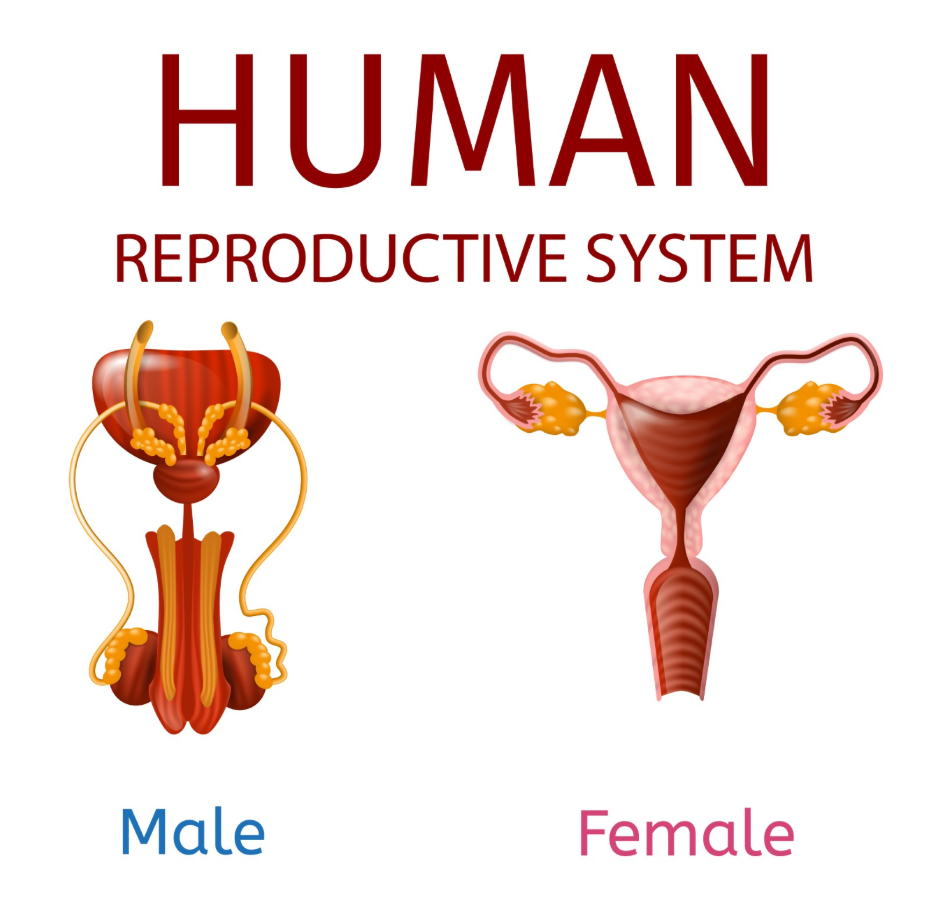
Hepatitis B is easily transmitted through sexual contact because the virus is present in high concentrations in semen and vaginal fluids. Transmission can occur during unprotected vaginal, anal, or oral sex when these fluids come into contact with the mucosal lining of a partner.
The risk of transmission is higher if there are existing sores, abrasions, or other sexually transmitted infections that cause inflammation of the genital tissues. In the UK, sexual health services offer testing and vaccination to individuals who may be at increased risk through sexual contact. While barrier methods like condoms significantly reduce the risk of transmission, they do not provide absolute protection if there is contact with other infected fluids or skin lesions not covered by the condom. Consequently, vaccination remains the most reliable long-term safeguard for individuals who are sexually active and at risk of exposure.
Blood-to-Blood Transmission and Shared Equipment
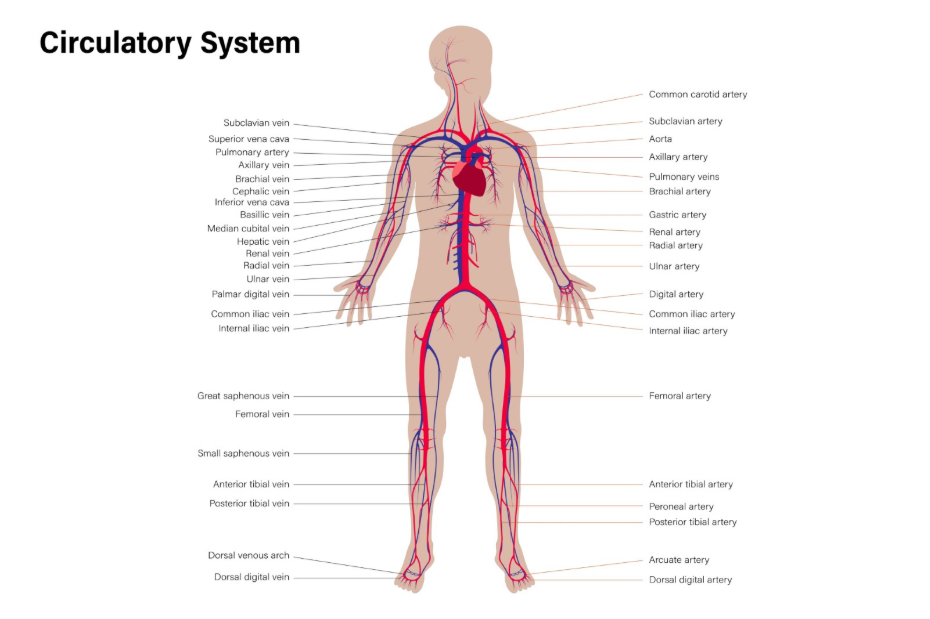
Direct blood-to-blood contact remains a significant route for hepatitis B transmission, particularly through the sharing of equipment used for injecting substances or through unsterile cosmetic procedures. Any sharp instrument that has been contaminated with even microscopic amounts of infected blood can harbour the virus.
This includes needles, syringes, filters, and spoons used in drug consumption, as well as equipment used for tattooing, body piercing, or acupuncture if it is not correctly sterilised between users. Public health data in the UK indicates that the reuse of contaminated equipment is a key driver for new infections in certain communities. To prevent this, UK harm reduction services provide sterile, single-use equipment. Furthermore, licensed cosmetic premises in the UK are subject to strict environmental health regulations to ensure that all tools are either single-use or medical-grade sterilised to eliminate the risk of blood-borne virus transmission.
Household Transmission and Personal Items
While hepatitis B is not spread through casual social contact such as hugging or sharing kitchen utensils, it can be transmitted within a household through the sharing of personal items that may have come into contact with blood. Items such as razors, toothbrushes, or nail clippers can carry traces of blood from small nicks or gum bleeding.
| Item Type | Potential Risk Factor | Prevention Strategy |
| Razors | Micro-cuts during shaving | Do not share personal blades |
| Toothbrushes | Gum bleeding during brushing | Use individual brushes only |
| Nail Clippers | Minor cuts to the cuticles | Use separate sets per person |
| Towels | Blood from skin lesions | Avoid sharing if skin is broken |
Because the virus is so resilient, it can survive on these items and enter the body of another household member through minor breaks in the skin. In the UK, household contacts of a person with chronic hepatitis B are identified as a high-risk group and are eligible for testing and vaccination on the NHS. Standard hygiene practices, such as washing hands thoroughly and covering open cuts with waterproof dressings, are effective measures for maintaining a safe environment within the home.
Healthcare Safety and Post-Exposure Protocols
The risk of contracting hepatitis B in a UK healthcare setting is extremely low due to the universal application of infection control measures and the high uptake of vaccination among clinical staff. All medical and dental instruments are either single-use or undergo rigorous decontamination in an autoclave.
If a healthcare worker or a member of the public experiences an accidental exposure, such as a needle-stick injury, the UK has established post-exposure prophylaxis (PEP) protocols. This involves an immediate clinical assessment and the administration of the hepatitis B vaccine or immunoglobulin to prevent the virus from establishing an infection. These protocols are designed to act quickly before the virus can replicate in the liver. By combining high standards of clinical hygiene with rapid response measures, the UK healthcare system ensures that patients and staff are protected from the transmission of blood-borne viruses during medical procedures.
Conclusion
Hepatitis B is transmitted through direct contact with infected blood, semen, and vaginal fluids, but it is not spread through casual social contact or saliva. The virus’s significant resilience outside the body makes the sharing of personal grooming items or medical equipment a notable risk. In the UK, mother-to-baby transmission is largely prevented through universal antenatal screening and immediate neonatal vaccination. Adhering to vaccination schedules and safety protocols is the most effective way to manage the risk of infection. If you experience severe, sudden, or worsening symptoms, call 999 immediately.
Can I get hepatitis B from sharing a drink or cutlery?
No, hepatitis B is not spread through saliva, coughing, sneezing, or sharing food and kitchen utensils with an infected person.
Is it safe to live with someone who has hepatitis B?
Yes, it is perfectly safe as long as you do not share personal items like razors or toothbrushes and ensure all household members are vaccinated.
How long does it take to get results for a hepatitis B test in the UK?
Blood test results for hepatitis B markers typically take between three and seven working days to be returned to your GP or clinic.
Can hepatitis B be spread through a tattoo?
Yes, if the equipment is not sterile and has been contaminated with the blood of an infected person, there is a risk of transmission.
Does a condom provide 100% protection against the virus?
While condoms significantly reduce the risk of sexual transmission, they do not provide total protection if there is contact with other infected fluids or skin sores.
What should I do if I think I have been exposed to the virus?
You should seek medical advice immediately from your GP, a sexual health clinic, or an A&E department to discuss post-exposure treatment.
Is the hepatitis B vaccine safe for babies?
Yes, the vaccine is highly safe and has been used globally for decades to protect infants from developing chronic liver disease.
Authority Snapshot (E-E-A-T)
This medical education content provides accurate, evidence-based information regarding the transmission of hepatitis B for the UK public. The material has been developed by a professional medical writing team and reviewed by Dr. Rebecca Fernandez, a UK-trained physician with experience in internal medicine, emergency care, and general surgery. All clinical information provided aligns with the standards and diagnostic pathways established by the NHS and the National Institute for Health and Care Excellence (NICE).



