




Hepatitis A is a viral liver infection primarily transmitted through the consumption of food or water that has been contaminated with the faeces of an infected person. This mode of spread, known as the faecal-oral route, occurs when microscopic amounts of the virus are ingested, often due to poor sanitation or inadequate personal hygiene. While the United Kingdom maintains high standards of water treatment and food safety, the virus remains a significant consideration for individuals travelling to regions with lower infrastructure or during localised outbreaks. Understanding the specific ways in which the virus enters the food chain and the importance of thorough cooking and handwashing is essential for preventing infection and maintaining public health.
What We’ll Discuss in This Article
- The biological mechanism of the faecal-oral transmission route
- How water sources become contaminated with the Hepatitis A virus
- The role of food handling and preparation in spreading infection
- Specific high-risk foods including shellfish and raw produce
- The resilience of the virus in different environmental conditions
- UK clinical advice for prevention through hygiene and vaccination
The Faecal-Oral Mechanism of Transmission
Hepatitis A is transmitted when an individual ingests the virus after it has been shed in the stool of an infected person. This process typically occurs when an infectious individual does not wash their hands thoroughly after using the bathroom and then touches food, water, or surfaces that others subsequently consume or touch. Because the virus can be present in the stool for several weeks before symptoms appear, an individual may unknowingly spread the infection to others through shared meals or water sources.
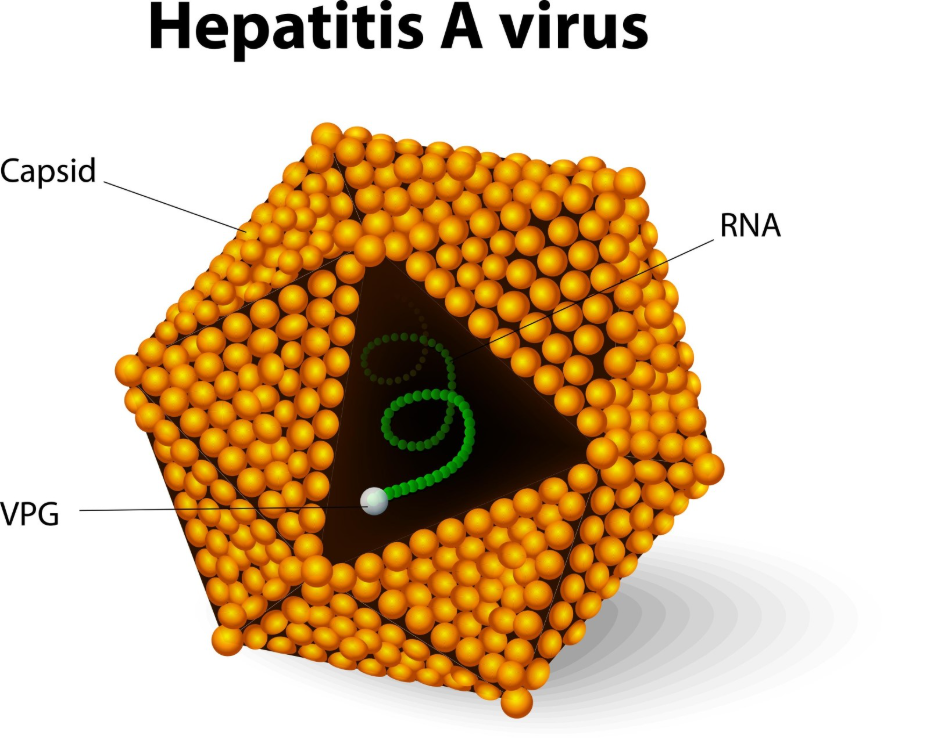
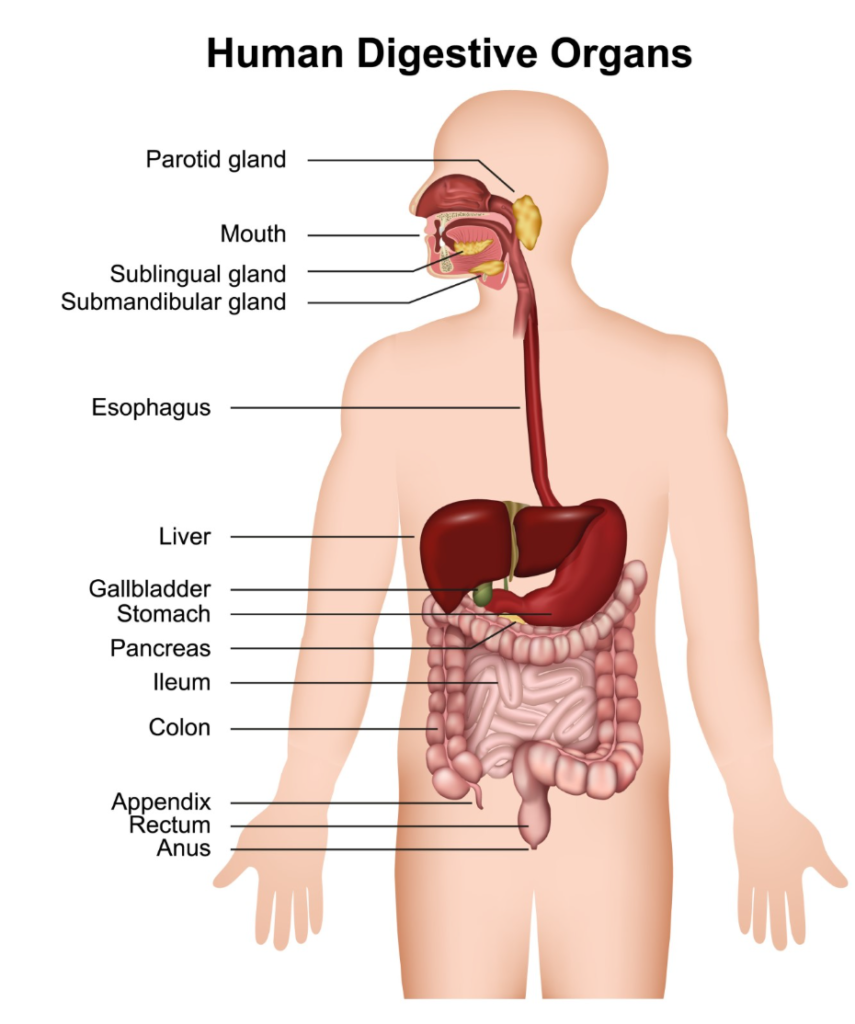
Hepatitis A is a liver infection caused by a virus that is usually spread in the poo of an infected person. Once ingested, the virus passes through the stomach and enters the bloodstream via the digestive tract, where it then migrates to the liver. The infectious dose required to cause disease is very small, meaning that even minor lapses in hygiene can lead to transmission. This efficiency of spread is why Hepatitis A is considered highly contagious and why public health efforts in the UK place a heavy emphasis on handwashing and sanitation.
Water Contamination and Irrigation Risks
Water serves as a major vehicle for Hepatitis A transmission, especially in areas where sewage disposal systems are inadequate or where water treatment is not rigorous. The virus can enter water supplies through the runoff of human waste into rivers, lakes, or groundwater used for drinking. Unlike many other pathogens, the Hepatitis A virus is notably resilient and can survive in water for long periods, resisting standard levels of chlorination that might kill other bacteria.
Contaminated water also poses a risk when it is used for agricultural purposes. If crops are irrigated with water containing the virus, or if the virus is present in the water used to wash produce after harvest, the pathogen can remain on the surface of fruits and vegetables. This is a particular concern for items that are eaten raw, such as salads or berries. In the United Kingdom, rigorous standards for municipal water supplies minimise this risk, but travellers to certain regions are often advised to drink only bottled or boiled water to avoid exposure.
Food Handling and the Role of Personal Hygiene
The most common way Hepatitis A is spread through food is via an infected food handler who has poor hand hygiene. If a person carrying the virus prepares meals without washing their hands correctly, the virus can be transferred directly onto the food. This is often the cause of outbreaks in restaurants, schools, or during large social gatherings where food is prepared for many people by a small number of handlers.
Because the virus is not killed by freezing, it can be spread through ice made from contaminated water or through frozen fruits and vegetables. Hepatitis A is most common in parts of the world where sanitation and hygiene are poor, and it can be caught from contaminated food or water. Effective prevention relies on strict adherence to hygiene protocols, including the use of soap and warm water for handwashing after every bathroom visit and before any food preparation. In commercial settings in the UK, food safety regulations are designed to prevent such occurrences through mandatory training and inspections.
High-Risk Foods and Shellfish Safety
Certain types of food are more likely to transmit Hepatitis A due to the way they are harvested or consumed, with shellfish being a notable example. Filter-feeding bivalves, such as oysters, mussels, and clams, process large volumes of water to obtain nutrients. If these shellfish live in water contaminated by sewage, they can concentrate the virus within their tissues. When these items are eaten raw or only lightly steamed, the virus remains active and can infect the consumer.
| Food Category | Primary Risk Factor | Prevention Method |
| Raw Shellfish | Bioaccumulation of virus from water | Thorough cooking to high temperatures |
| Fresh Produce | Irrigated or washed with dirty water | Peel, wash with safe water, or cook |
| Frozen Berries | Virus survives freezing process | Heat treatment or boiling |
| Prepared Salads | Contamination by food handlers | Strict hand hygiene during prep |
To reduce the risk, it is advised to ensure that shellfish are cooked thoroughly until the shells open and the internal temperature is sufficient to neutralise the virus. Similarly, fruits that cannot be peeled, such as strawberries or raspberries, should be washed with safe, potable water. The National Institute for Health and Care Excellence provides guidelines for identifying and managing outbreaks of viral hepatitis to protect the public from contaminated food sources.
Environmental Resilience of the Virus
The Hepatitis A virus is exceptionally hardy, allowing it to survive in various environments and on various surfaces for weeks at a time. It is resistant to drying and can remain infectious on kitchen counters, taps, and utensils long after the initial contamination has occurred. This environmental stability means that the virus can be spread not just through direct ingestion of food, but also through “cross-contamination,” where safe food touches a contaminated surface.
Heat is the most effective way to kill the virus. Standard cooking temperatures (above 85 degrees Celsius for at least one minute) are typically sufficient to deactivate the pathogen. However, the virus can survive in acidic environments and at low temperatures, which is why it remains a threat in refrigerated or frozen foods. Understanding this resilience highlights why simple rinsing is often insufficient for contaminated items and why thorough cooking and the disinfection of food preparation areas are critical safety measures.
UK Preventative Measures and Vaccination
Prevention of foodborne and waterborne Hepatitis A in the UK involves a combination of high infrastructure standards, public health monitoring, and targeted vaccination. For the general public, maintaining good personal hygiene is the most effective daily defence. This includes washing hands with soap for at least 20 seconds after using the toilet and before handling food.
For those at higher risk, such as travellers to high-prevalence areas or people with chronic liver disease, the Hepatitis A vaccine provides excellent long-term protection. The vaccine stimulates the immune system to produce antibodies that can neutralise the virus if exposure occurs. When travelling abroad to regions where the virus is common, it is also advisable to follow the “boil it, cook it, peel it, or forget it” rule for food and water consumption. By combining these individual actions with national food safety oversight, the prevalence of Hepatitis A remains low in the United Kingdom.
Conclusion
Hepatitis A is primarily spread through the ingestion of food or water contaminated by the faecal-oral route. The virus is highly resilient, surviving in water and on surfaces, and is often linked to poor hand hygiene or contaminated water used in agriculture. Shellfish and raw produce are particularly high-risk items that require careful handling and thorough cooking. By maintaining rigorous hygiene standards and utilising vaccination where appropriate, the risk of infection can be effectively managed. If you experience severe, sudden, or worsening symptoms, call 999 immediately.
Can I get Hepatitis A from a swimming pool?
The risk is very low in well-maintained pools because the levels of chlorine and filtration are usually sufficient to neutralise the virus.
Does boiling water kill the Hepatitis A virus?
Yes, bringing water to a rolling boil for at least one minute is an effective way to kill the virus and make the water safe to drink.
Can I get Hepatitis A from someone coughing near me?
No, Hepatitis A is not spread through coughing or sneezing; it is only transmitted through the faecal-oral route.
How long can the virus live on a kitchen worktop?
The Hepatitis A virus is very hardy and can survive on hard surfaces for several weeks if they are not properly disinfected.
Is it safe to eat raw fruit when travelling abroad?
It is safest to eat fruit that you can peel yourself, such as bananas or oranges, to avoid any contamination on the skin from water or handling.
Can the virus be spread through ice cubes?
Yes, if the ice is made from contaminated water, the virus can survive the freezing process and infect someone when the ice melts in their drink.
What should I do if I think I’ve eaten contaminated food?
If you believe you have been exposed, you should contact a healthcare professional, as a vaccine or immunoglobulin can sometimes prevent infection if given early.
Authority Snapshot (E-E-A-T)
This medical education content provides accurate, evidence-based information regarding the transmission of Hepatitis A for the UK public. The material is developed by a professional medical writing team and reviewed by Dr. Stefan Petrov, a UK-trained physician with experience in general medicine, surgery, and emergency care. All information provided is strictly aligned with the clinical standards and diagnostic pathways provided by the NHS and the National Institute for Health and Care Excellence (NICE).



