




Viral hepatitis, including types A, B, and C, has the potential to become life-threatening if it leads to acute liver failure or long-term complications such as cirrhosis and liver cancer. While each virus behaves differently within the body, they all cause inflammation of the liver, which is a vital organ responsible for filtering toxins, producing essential proteins, and aiding digestion. Many individuals with viral hepatitis recover without lasting damage, but for some, the infection can progress to a stage where the liver can no longer perform its life-sustaining functions. In the United Kingdom, medical management focuses on early detection, vaccination, and curative treatments to prevent these severe outcomes and ensure that liver health is maintained throughout the patient’s life.
What We’ll Discuss in This Article
- The risk of acute liver failure in Hepatitis A infections
- How chronic Hepatitis B leads to life-threatening cirrhosis
- The long-term impact of Hepatitis C on liver cancer risk
- Distinguishing between acute symptoms and emergency complications
- UK clinical pathways for preventing end-stage liver disease
- The role of vaccination and modern antiviral therapy in saving lives
Life-Threatening Risks of Hepatitis A
Hepatitis A is typically a short-term infection that resolves on its own, but in rare cases, it can cause acute liver failure, which is a life-threatening medical emergency. Unlike other forms of hepatitis, this virus does not cause chronic, long-term disease, yet the initial inflammation can be so severe that the liver suddenly loses its ability to function. This complication is more likely to occur in older adults or individuals who already have an underlying chronic liver condition.
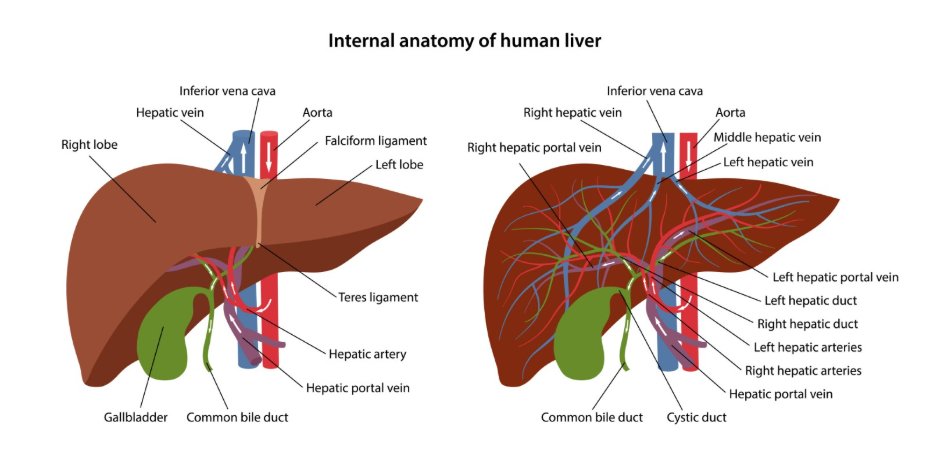
Hepatitis A is a liver infection caused by a virus that is usually spread in the poo of an infected person, and while most people recover, it can occasionally lead to serious liver failure. When the liver fails acutely, it can no longer filter waste products like ammonia from the blood, leading to a condition called hepatic encephalopathy, which causes brain swelling and confusion. In the United Kingdom, patients with signs of severe liver dysfunction during a Hepatitis A infection are monitored closely in a hospital setting to provide supportive care and manage potential complications.
Chronic Hepatitis B and End-Stage Liver Disease
Hepatitis B becomes life-threatening primarily when the infection becomes chronic, leading to a slow but progressive scarring of the liver known as cirrhosis. While many adults clear the virus after an initial acute phase, those who develop a lifelong chronic infection face a significant risk of their liver tissue being replaced by fibrous scar tissue over several decades. This scarring eventually prevents blood from flowing through the liver, leading to end-stage liver disease.
Hepatitis B can be a short-term (acute) infection, but in some people, it can become a long-term (chronic) infection that leads to serious liver damage. As cirrhosis advances, the liver can no longer manufacture the proteins necessary for blood clotting or maintain normal fluid balance in the body. This can result in life-threatening internal bleeding from swollen veins in the gullet (varices) or a dangerous accumulation of fluid in the abdomen. UK clinical guidelines emphasise regular monitoring for individuals with chronic Hepatitis B to detect these changes early and initiate antiviral treatments that can suppress the virus and halt the progression of damage.
Hepatitis C and the Risk of Liver Cancer
Hepatitis C is a leading cause of primary liver cancer, a life-threatening complication that often develops after many years of silent, chronic inflammation. The virus is highly efficient at evading the immune system, meaning that approximately 75 percent of those infected will develop a chronic condition. Over time, the persistent inflammation caused by the virus triggers genetic changes in the liver cells, which can lead to the formation of malignant tumours.
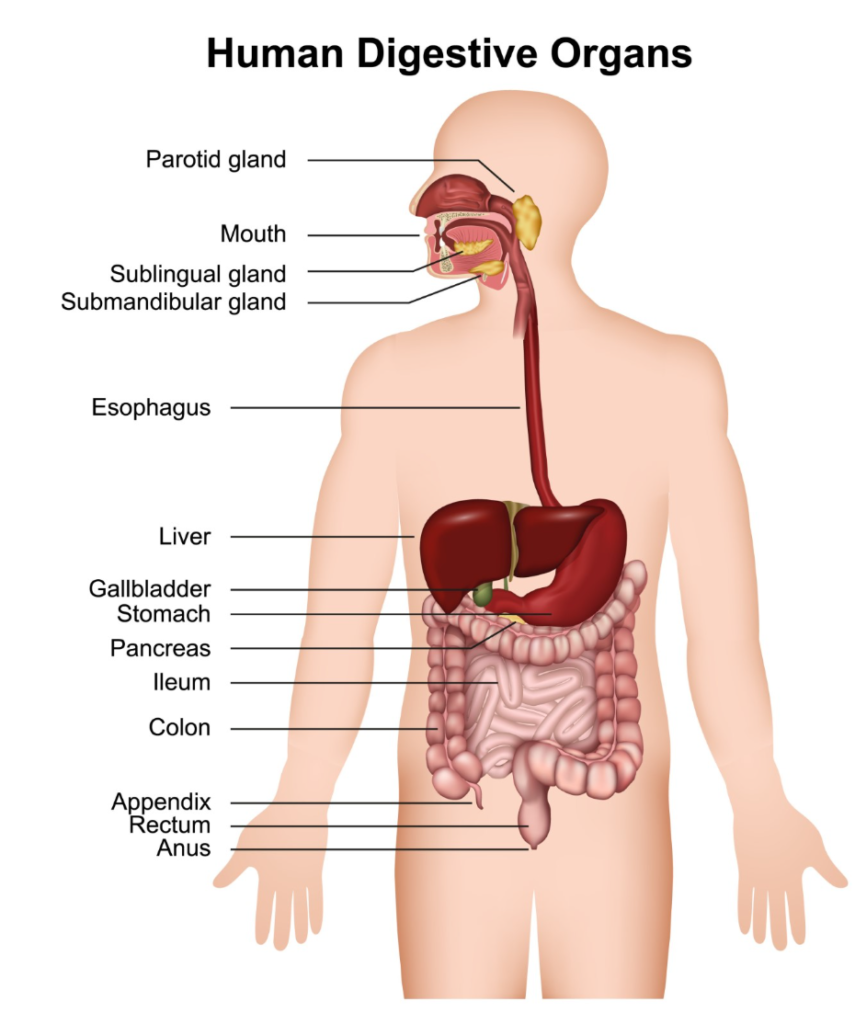
Hepatitis C is a virus that can infect the liver and, if left untreated, cause serious and potentially life-threatening damage to the liver over many years. Because Hepatitis C often produces no obvious symptoms for twenty years or more, many individuals only discover the infection when they are diagnosed with advanced cirrhosis or hepatocellular carcinoma (liver cancer). In the United Kingdom, the introduction of highly effective direct-acting antiviral medications has transformed the outlook for Hepatitis C patients. These treatments can cure the infection in over 95 percent of cases, significantly reducing the lifetime risk of developing life-threatening liver cancer.
Emergency Symptoms and When to Seek Help
While viral hepatitis often starts with flu-like symptoms, there are specific “red flag” indicators that suggest the liver is failing and immediate medical attention is required. Acute liver failure or advanced cirrhosis can cause a rapid deterioration in health that requires hospitalisation. Recognising these signs early is vital for preventing the most severe consequences of a viral infection.
| Symptom Category | Indicator of Severe Liver Stress |
| Mental State | Confusion, extreme drowsiness, or personality changes |
| Physical Appearance | Intense yellowing of the skin and eyes (jaundice) |
| Abdominal Changes | Rapid swelling of the stomach or severe pain |
| Bleeding | Vomiting blood or passing black, tarry stools |
| General Health | Extreme fatigue or persistent, uncontrollable vomiting |
In a clinical setting, these symptoms are often accompanied by abnormal blood test results, such as a very high bilirubin level or a reduced ability of the blood to clot. If an infection progresses to this stage, specialised intensive care or even a liver transplant may be the only life-saving options available.
Preventing Fatal Complications in the UK
The risk of life-threatening hepatitis is significantly reduced through universal vaccination programmes and targeted screening for high-risk populations. In the United Kingdom, the Hepatitis B vaccine is part of the routine childhood immunisation schedule, providing long-term protection from infancy. For Hepatitis A, vaccination is recommended for travellers and those with pre-existing liver conditions to prevent the risk of acute failure.
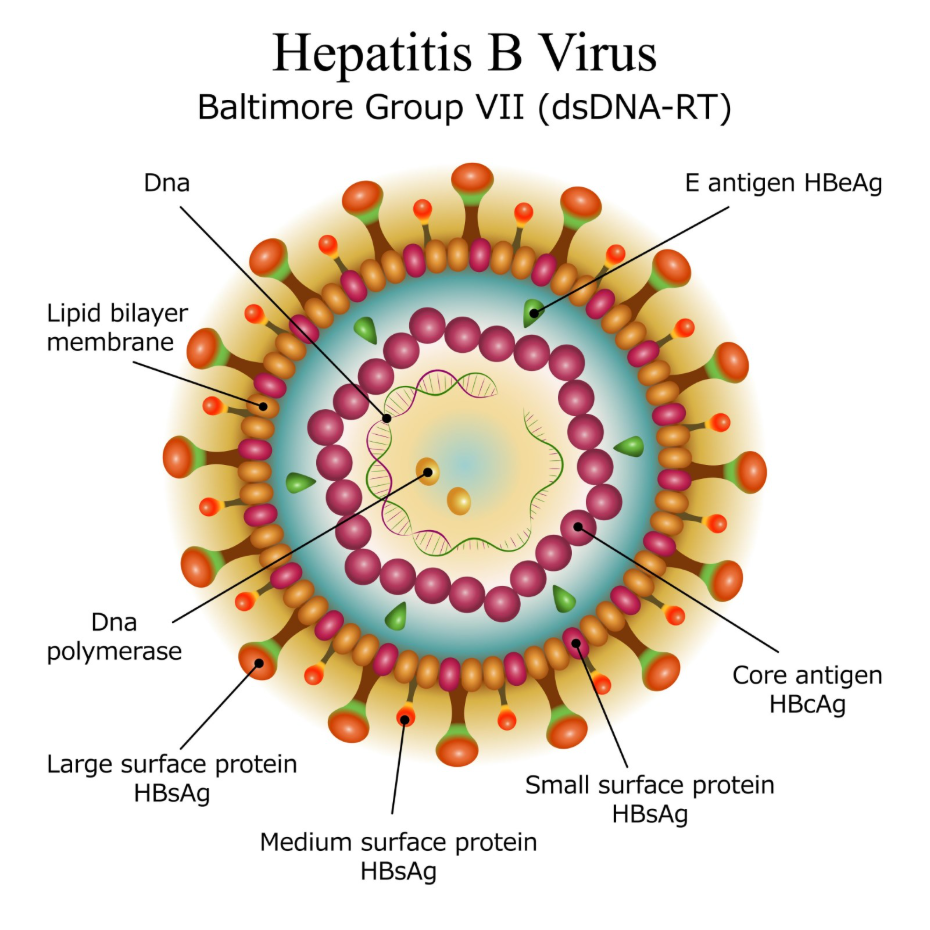
Because there is no vaccine for Hepatitis C, prevention focuses on screening those who may have been exposed to the virus in the past. This includes individuals who received blood transfusions before 1991 or those who have ever shared equipment for injecting drugs. National clinical pathways ensure that anyone diagnosed with chronic hepatitis is offered regular monitoring. Modern antiviral therapies for both B and C are highly effective at preventing the transition from a simple infection to life-threatening cirrhosis or cancer, making early diagnosis one of the most important factors in patient survival.
Conclusion
Hepatitis A, B, and C can all become life-threatening if they result in acute liver failure, cirrhosis, or primary liver cancer. While Hepatitis A is usually a temporary illness, its potential for sudden failure in vulnerable groups is serious. Chronic Hepatitis B and C represent a long-term threat to life due to the slow destruction of liver tissue and the heightened risk of malignancy. Fortunately, with modern UK vaccination, screening, and curative treatments, the vast majority of life-threatening complications associated with viral hepatitis are preventable. If you experience severe, sudden, or worsening symptoms, call 999 immediately.
Can Hepatitis A cause permanent liver damage?
No, Hepatitis A does not cause chronic damage; if the patient survives the acute phase, the liver typically recovers its full function.
Is it true that most people with Hepatitis C don’t feel ill?
Yes, many people with chronic Hepatitis C feel perfectly healthy for decades while the virus gradually causes scarring that can eventually become life-threatening.
How does liver cancer develop from hepatitis?
Chronic inflammation from the virus causes repeated damage and repair cycles in liver cells, which increases the likelihood of cancerous mutations over time.
What is the survival rate for chronic hepatitis in the UK?
With modern antiviral treatments and regular clinical monitoring, most people with chronic hepatitis can live a normal, healthy life.
Is Hepatitis B more dangerous than Hepatitis C?
Both are serious; Hepatitis B is more likely to cause severe acute symptoms, while Hepatitis C is more likely to remain silent and lead to chronic complications.
Can a liver transplant cure viral hepatitis?
A transplant can replace a failing liver, but for Hepatitis B and C, medication is still needed to prevent the virus from infecting the new liver.
Does alcohol make hepatitis more life-threatening?
Yes, consuming alcohol significantly accelerates the rate of liver scarring in people with viral hepatitis, increasing the risk of cirrhosis and cancer.
Authority Snapshot (E-E-A-T)
This medical education content provides accurate, evidence-based information regarding the life-threatening risks of viral hepatitis for the UK public. The material is developed by a professional medical writing team and reviewed by Dr. Stefan Petrov, a UK-trained physician with experience in general surgery, emergency care, and clinical education. All information provided is strictly aligned with the clinical standards and diagnostic pathways provided by the NHS and the National Institute for Health and Care Excellence (NICE).



