




Viral hepatitis refers to a group of distinct viral infections that cause inflammation of the liver, but they differ significantly in how they are transmitted, their severity, and their long-term impact on health. While the symptoms of these infections can overlap, the biological behaviour of each virus determines whether the illness is a short-term acute condition or a potentially life-threatening chronic disease. In the United Kingdom, public health strategies vary for each type, ranging from vaccination programmes for Hepatitis A and B to highly effective curative treatments for Hepatitis C. Understanding these distinctions is vital for identifying personal risks and ensuring that the correct clinical pathways are followed to protect liver function and prevent the spread of infection to others.
What We’ll Discuss in This Article
- The primary transmission routes for each hepatitis virus
- Distinguishing between acute and chronic clinical courses
- UK vaccination availability and preventative strategies
- Long-term complications such as cirrhosis and liver cancer
- Diagnostic testing and the curative pathway for Hepatitis C
- Common symptoms and the liver’s role in viral recovery
Primary Transmission Routes and Risks
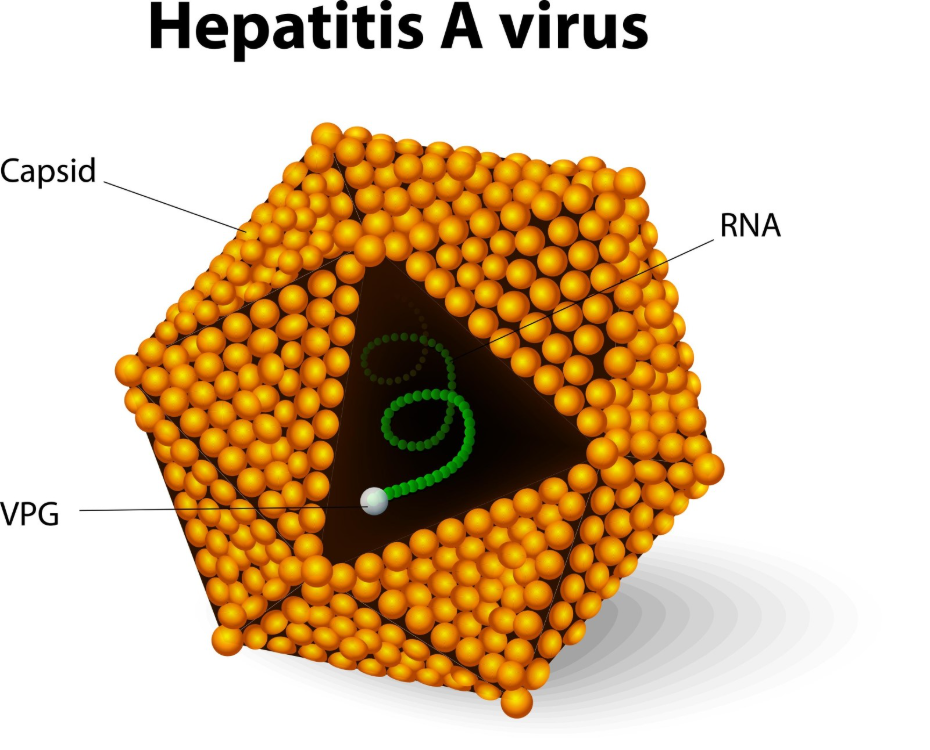
The primary difference between Hepatitis A, B, and C lies in how the viruses enter the body, with Hepatitis A being spread through contaminated waste and Hepatitis B and C being blood-borne. Hepatitis A is typically transmitted via the faecal-oral route, which occurs when a person ingests food or water contaminated with the faeces of an infected individual. Hepatitis A is a liver infection caused by a virus that is usually spread in the poo of an infected person. In contrast, Hepatitis B and C require direct contact with infected blood or certain bodily fluids to move from one person to another.
Hepatitis B is highly infectious and can be transmitted through unprotected sexual contact, the sharing of needles, or from an infected mother to her baby during childbirth. Hepatitis C is primarily a blood-to-blood infection, most commonly spread in the UK through the sharing of equipment used to inject drugs or, historically, through blood products received before rigorous screening was introduced in 1991. While Hepatitis B is also found in semen and vaginal fluids, the risk of sexual transmission for Hepatitis C is considered much lower, though still possible in specific circumstances.
Acute vs Chronic Clinical Progression
Hepatitis A is exclusively an acute, short-term infection, whereas Hepatitis B and C have the potential to become chronic, lifelong conditions that cause progressive liver damage. An acute infection typically lasts for a few weeks or months, during which the body’s immune system works to clear the virus. Once a person recovers from Hepatitis A, they develop lifelong immunity and the virus does not remain in their body.
Hepatitis B can be a short-term (acute) infection, but in some people, it can become a long-term (chronic) infection that leads to serious liver damage. For those with Hepatitis B, the risk of chronicity is heavily influenced by the age at infection, with infants being at much higher risk than adults. Hepatitis C is even more likely to become a chronic issue, with approximately 75 percent of infected individuals failing to clear the virus naturally within the first six months. Chronic infections are particularly dangerous because they often remain silent for decades, slowly replacing healthy liver tissue with scar tissue without causing obvious symptoms until the liver is severely compromised.
UK Vaccination and Prevention Strategies
The United Kingdom utilises highly effective vaccines to prevent Hepatitis A and Hepatitis B, but there is currently no preventative vaccine available for Hepatitis C. The Hepatitis B vaccine is now part of the routine childhood immunisation schedule, offered to all infants to provide long-term protection. Vaccination for Hepatitis A is targeted toward high-risk groups, such as travellers to specific regions or individuals with chronic liver disease, rather than being part of the universal schedule.

Because no vaccine exists for Hepatitis C, prevention strategies focus on harm reduction, such as needle exchange programmes, and widespread clinical screening to identify and treat existing infections. Hepatitis C is a virus that can infect the liver and, if left untreated, cause serious and potentially life-threatening damage to the liver over many years. Modern public health initiatives in the UK aim to eliminate Hepatitis C as a major health threat by 2030 through expanded testing and the use of highly effective curative medications.
Long-Term Impact on Liver Health
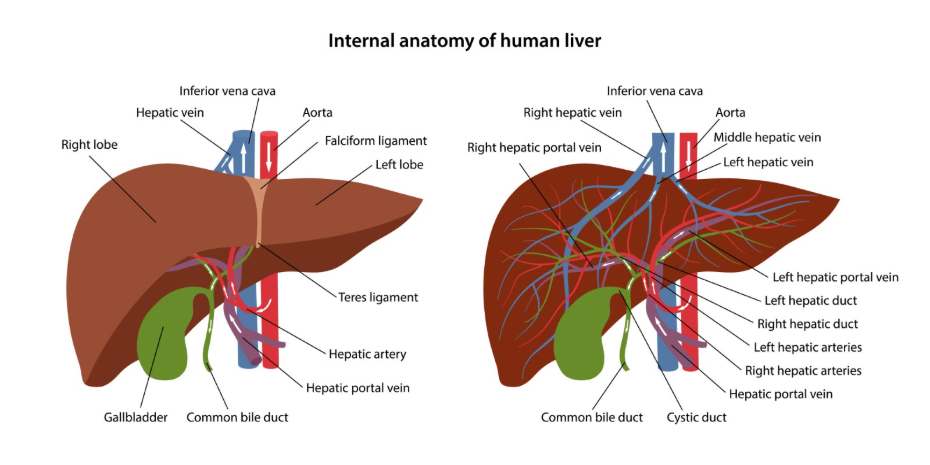
The long-term health implications of viral hepatitis vary by type, with chronic Hepatitis B and C posing the greatest risk for cirrhosis and primary liver cancer. Hepatitis A does not cause chronic liver disease or long-term scarring. However, the persistent inflammation caused by chronic B or C viruses leads to the formation of fibrous tissue. Over time, this scarring can develop into cirrhosis, where the liver becomes so damaged that it can no longer filter toxins or produce essential proteins.
The table below compares the long-term risks associated with each viral type.
| Feature | Hepatitis A | Hepatitis B | Hepatitis C |
| Chronic State? | No | Yes (in some) | Yes (frequently) |
| Cirrhosis Risk | Negligible | Moderate to High | Moderate to High |
| Liver Cancer Risk | No | Yes | Yes |
| Liver Failure Risk | Rare (acute only) | Possible (chronic) | Possible (chronic) |
| Curable? | Self-limiting | Managed/Suppressed | Yes (over 95%) |
Chronic viral hepatitis is a leading cause of hepatocellular carcinoma, the most common type of liver cancer. Regular clinical monitoring through blood tests and liver scans is essential for individuals with chronic B or C to detect these complications early.
Symptoms and Clinical Presentation
While the viruses are different, the symptoms of acute infection for all three types often overlap and relate to general liver inflammation. Early signs may include fatigue, joint and muscle pain, a high temperature, and a general feeling of being unwell. As liver function is affected, more specific symptoms may emerge, such as jaundice (yellowing of the skin and eyes), dark urine, and pale-coloured stools.
It is important to note that many people with chronic Hepatitis B or C have no symptoms at all for twenty years or more. They may feel perfectly healthy while the virus gradually damages the liver. This “silent” nature is why clinicians do not rely on symptoms alone to diagnose viral hepatitis. Instead, they use blood tests to look for specific viral antibodies or the genetic material of the virus itself to confirm which type is present and whether the infection is currently active.
Treatment Pathways in the UK
Treatment pathways have advanced significantly, with Hepatitis C now being curable in the vast majority of cases using simple oral medications. There is no specific treatment for Hepatitis A; management focuses on supportive care, such as rest and hydration, while the immune system clears the virus. For chronic Hepatitis B, treatment typically involves long-term antiviral medication to suppress the virus and prevent liver damage, although a total cure is currently rare.
In contrast, the treatment for Hepatitis C has been transformed by direct-acting antiviral (DAA) tablets. These medications are taken for a period of 8 to 12 weeks and have a success rate of over 95 percent. In the UK, these curative treatments are widely available through the NHS. Successfully clearing the Hepatitis C virus significantly reduces the risk of future liver failure and cancer, highlighting the importance of testing for anyone who may have been exposed to the virus in the past.
Conclusion
Hepatitis A, B, and C are distinct infections that differ in their transmission, the likelihood of becoming chronic, and the availability of vaccines. While Hepatitis A is a short-term illness spread through contaminated waste, Hepatitis B and C are blood-borne and can lead to permanent liver damage if not managed. In the UK, vaccination provides a strong defence against A and B, while modern antiviral therapies offer a high cure rate for C. If you experience severe, sudden, or worsening symptoms, call 999 immediately.
Can I have more than one type of hepatitis at the same time?
Yes, it is possible to be co-infected with different hepatitis viruses, such as having both Hepatitis B and Hepatitis C simultaneously.
Which type of hepatitis is the most dangerous?
Hepatitis B and C are considered more dangerous long-term because they can lead to chronic liver disease, cirrhosis, and liver cancer.
How do I know which type of hepatitis I have?
A specific blood test is the only way to distinguish between the viruses, as the symptoms of liver inflammation are very similar for all types.
Is hepatitis spread through coughing or sneezing?
No, none of the common hepatitis viruses (A, B, or C) are spread through coughing, sneezing, hugging, or casual physical contact.
Can I get hepatitis from food in the UK?
The risk of Hepatitis A from food in the UK is low due to high sanitation standards, but it is a common risk when travelling to certain regions.
If I am cured of Hepatitis C, am I immune to it?
No, being cured of Hepatitis C does not provide immunity; you can be re-infected if you are exposed to the virus through blood contact again.
Do all types of hepatitis cause jaundice?
Not always; many people with acute or chronic hepatitis never develop jaundice, which is why clinical testing is so important.
Authority Snapshot (E-E-A-T)
This medical education content provides accurate, evidence-based information regarding the differences between Hepatitis A, B, and C for the UK public. The material is developed by a professional medical writing team and reviewed by Dr. Stefan Petrov, a UK-trained physician with experience in general surgery, emergency care, and clinical education. All information provided is strictly aligned with the clinical standards and diagnostic pathways provided by the NHS and the National Institute for Health and Care Excellence (NICE).



