




Hepatitis C is highly transmissible through the sharing of needles and other equipment used for injections because the virus is spread primarily through direct blood-to-blood contact. When a needle or syringe is used by an individual with the hepatitis C virus, microscopic amounts of infected blood can remain inside the equipment, providing a direct pathway for the virus to enter the bloodstream of the next person who uses it. The virus is exceptionally resilient and can survive outside the human body for several weeks, meaning that even equipment that appears clean or has been left for some time can still harbour infectious particles. In the United Kingdom, the sharing of injecting equipment remains the most frequent route for new hepatitis C infections. Public health strategies focus on harm reduction, widespread clinical testing, and providing access to modern curative treatments to prevent the long-term progression of liver disease and reduce the prevalence of the virus within the community.
What We’ll Discuss in This Article
- The biological mechanism of blood-borne viral transmission
- Why shared needles and syringes pose a high risk of infection
- Risks associated with other injecting paraphernalia such as filters and spoons
- The environmental resilience of the hepatitis C virus outside the body
- UK clinical pathways for testing and diagnosing historical or recent exposure
- Modern curative treatments and the role of harm reduction in the UK
The Mechanism of Blood-to-Blood Transmission
Hepatitis C is transmitted when the blood of an infected person enters the bloodstream of another individual, a process that occurs with high efficiency during the reuse of needles. The virus targets the liver cells and begins to replicate, often without causing any immediate or obvious physical symptoms. Because the virus is blood-borne, any activity that involves breaking the skin with an object contaminated with infected blood carries a significant risk of transmission.
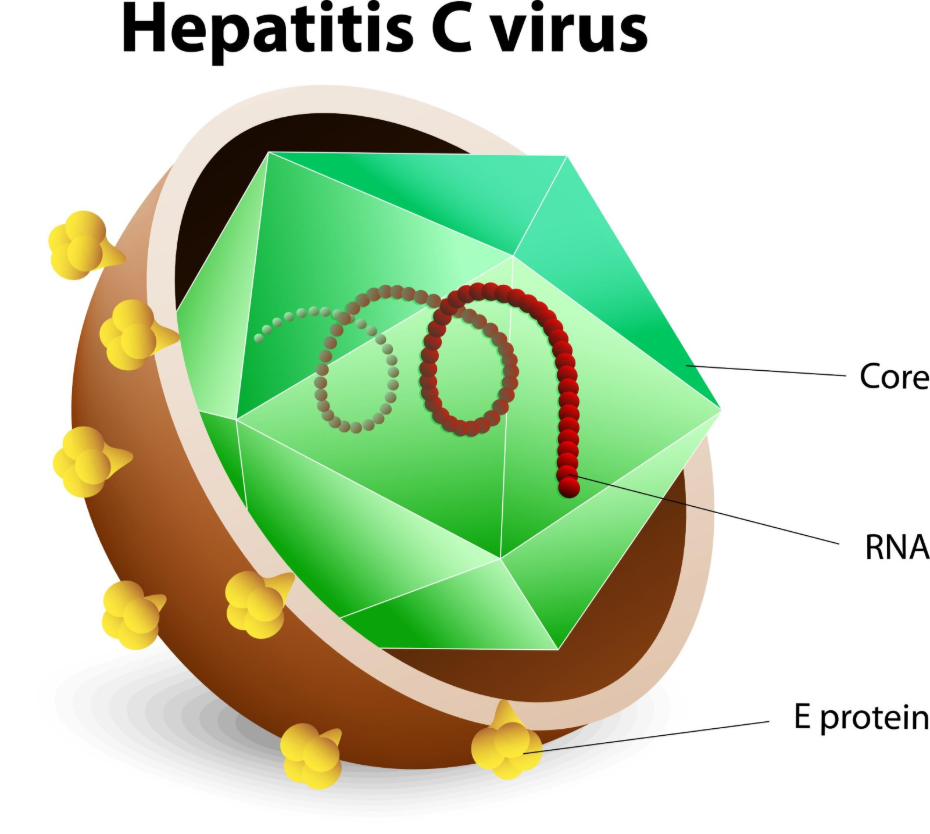
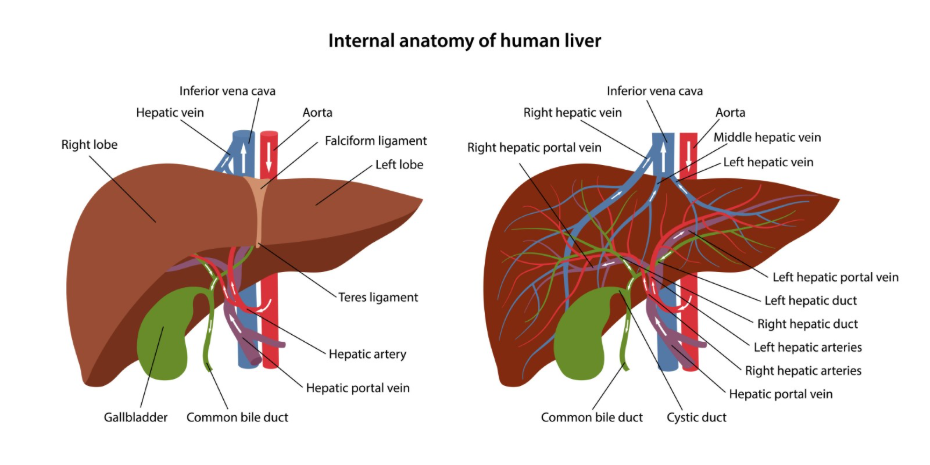
Hepatitis C is a virus that can infect the liver and, if left untreated, cause serious and potentially life-threatening damage to the liver over many years. In the context of shared needles, the transfer of blood is often direct and intravenous, which allows the virus to bypass the body’s primary physical barriers. This makes the sharing of injecting equipment one of the most effective ways for the virus to move between individuals. Even if the amount of blood is so small it cannot be seen with the naked eye, it can still contain enough viral particles to establish a chronic infection in the next user.
Why Shared Needles and Syringes Pose a High Risk
Shared needles and syringes are the primary drivers of hepatitis C transmission because they can trap blood within the hollow bore of the needle or the barrel of the syringe. When a needle is reused, any residual blood from the previous user is injected directly into the new user. The design of medical syringes, while effective for delivering medication, provides a protected environment where the virus can survive longer than it would on a flat surface.
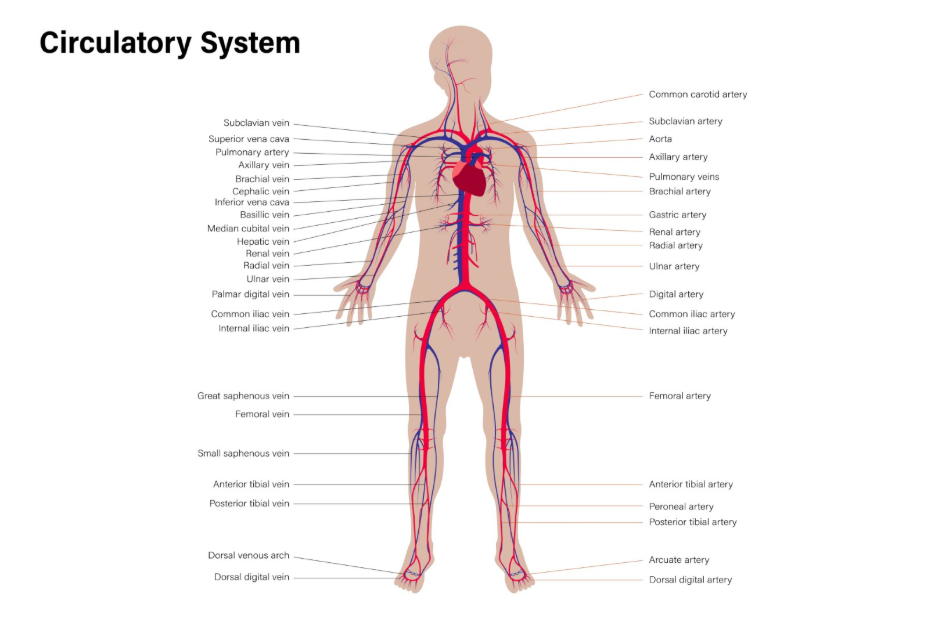
In the United Kingdom, healthcare services emphasise that sharing equipment even once can be enough to contract the virus. Hepatitis C is usually spread through blood-to-blood contact, and the most common way it is spread in the UK is through sharing needles used to inject drugs. This risk applies to all forms of injections, including those for image-enhancing drugs, steroids, or other substances, and is not limited to any specific group of people. Because the virus can remain silent for decades, many individuals who shared equipment in the past may not realise they are living with a chronic infection until it is detected through clinical screening.
Risks Associated with Other Injecting Paraphernalia
The risk of contracting hepatitis C is not limited to the needle and syringe itself but extends to all items used during the preparation and administration of an injection. This includes items such as spoons or containers used for mixing, filters, and the water used to dissolve the substance. If any of these items become contaminated with blood, they can serve as a vehicle for the virus.
| Equipment Type | Transmission Risk Factor | Prevention Strategy |
| Needles and Syringes | Trapped blood in hollow bore or barrel | Always use a new, sterile needle and syringe |
| Filters | Absorb and retain infected blood | Never reuse or share filters |
| Spoons/Cookers | Cross-contamination during mixing | Use individual, sterile mixing containers |
| Water | Contamination if a used needle is dipped | Use sterile water ampoules or fresh water |
| Tourniquets | Potential blood contact from injection site | Avoid sharing items that touch the skin |
The virus can be transferred between these items if a used needle is dipped into shared water or if a used spoon is reused by multiple people. Any item used to prepare or inject drugs that is shared with another person can carry the virus. This is why harm reduction services in the UK provide complete sets of sterile equipment rather than just needles alone. These programmes are a cornerstone of UK public health, aiming to eliminate the reuse of any item that could potentially harbour blood-borne pathogens.
Environmental Resilience of the Virus
The hepatitis C virus is exceptionally hardy and can survive in a dormant but infectious state outside the body for much longer than many other common viruses. Research indicates that the virus can remain active on surfaces and inside syringes for several days, and in some conditions, for up to several weeks. This resilience means that second-hand equipment or needles found in the environment can still pose a significant health risk.
Because the virus does not require a living host to remain viable for short periods, environmental contamination in shared spaces is a clinical concern. Standard household cleaning products may not always be sufficient to neutralise the virus, particularly if it is protected within a blood clot or inside a needle. In the UK, specialised sharps disposal containers are used in clinical and community settings to ensure that used needles are removed from the environment safely, preventing accidental injuries to the public and frontline workers.
UK Clinical Pathways for Testing and Diagnosis
If an individual believes they have been exposed to hepatitis C through a shared needle, the UK health system provides clear pathways for testing and support. The diagnostic process usually begins with an antibody test to see if the person has ever been exposed to the virus. If this is positive, a second test, known as a PCR or RNA test, is performed to confirm if the virus is currently active in the bloodstream.
Testing is confidential and available through GP surgeries, sexual health clinics, and community outreach services. The NHS also offers a free home testing service for individuals in England, where a small blood sample is collected via a finger prick and sent to a laboratory for analysis. Because the virus can take several weeks to reach detectable levels, a follow-up test at three to six months following a potential exposure is often recommended to ensure a conclusive result. Identifying the infection early is essential, as it allows patients to access treatment before the liver develops significant scarring or other complications.
Modern Curative Treatments and Harm Reduction
The treatment for hepatitis C has been transformed by modern medical advancements, making the virus highly curable for the vast majority of patients in the United Kingdom. Current therapies involve taking a course of oral antiviral tablets for 8 to 12 weeks. These medications are highly effective, with success rates of over 95 percent, and they have significantly fewer side effects than older treatments.
Successfully curing the virus not only protects the individual’s liver health but also acts as a form of treatment as prevention. The National Institute for Health and Care Excellence provides guidelines on the management of hepatitis C to ensure that patients receive the most effective curative therapies. Once the virus is cleared from the body, that person can no longer pass it on to others, which helps to reduce the overall prevalence of the virus in the UK. Harm reduction services, including needle exchanges and health education, work alongside these clinical treatments to prevent re-infection. By ensuring that those who use needles have access to sterile equipment and regular testing, the UK aims to eliminate hepatitis C as a public health threat.
Conclusion
Hepatitis C is effectively transmitted through shared needles and injecting equipment because the virus survives well in blood and on environmental surfaces. While the sharing of syringes is the most direct route, other items like filters and spoons also carry a high risk of cross-contamination. In the UK, the focus is on providing sterile equipment through needle exchange programmes and identifying infections through proactive testing. Modern antiviral treatments now offer a high cure rate, protecting the liver and preventing further spread. If you experience severe, sudden, or worsening symptoms, call 999 immediately.
Can I get hepatitis C from a needle-stick injury in the street?
The risk is low but present; if you are pricked by a discarded needle, you should seek immediate medical advice at an A&E department for testing and potential preventative care.
Is cleaning a needle with bleach enough to kill the virus?
Bleach and other disinfectants are not always reliable at killing hepatitis C inside a needle; using a new, sterile needle is the only way to ensure safety.
How long after sharing a needle should I wait to be tested?
The virus may not show up immediately; while you can have an initial test, a follow-up test at 12 to 24 weeks is usually required for a conclusive result.
Can I catch hepatitis C from a tattoo needle?
Yes, if the equipment is not professionally sterilised or if the ink is contaminated, there is a risk, which is why only licensed UK tattoo studios should be used.
Does hepatitis C spread through shared water during drug preparation?
Yes, if a used needle is dipped into a shared container of water, the virus can contaminate the entire supply for everyone using it.
Can I have the virus if I only shared a needle once many years ago?
Yes, hepatitis C often has no symptoms for decades, so a single exposure in the past can result in a chronic infection that still requires treatment today.
Is there a vaccine for hepatitis C?
There is currently no vaccine for hepatitis C, so prevention relies on avoiding blood-to-blood contact and using sterile equipment for all injections.
Authority Snapshot (E-E-A-T)
This medical education content provides accurate, evidence-based information regarding the transmission of hepatitis C through shared needles for the UK public. The material is developed by a professional medical writing team and reviewed by Dr. Rebecca Fernandez, a UK-trained physician with extensive experience in internal medicine, emergency care, and general surgery. All clinical information provided is strictly aligned with the evidence-based standards set by the NHS and the National Institute for Health and Care Excellence (NICE).



