




Blood tests can detect the presence of Hepatitis B or Hepatitis C viruses after a specific period known as the window period, which varies depending on the type of test used and the specific virus. While modern laboratory techniques allow for relatively early detection, testing too soon after a potential exposure may result in a false negative because the virus or the body’s immune response has not yet reached detectable levels. In the United Kingdom, healthcare professionals follow evidence based protocols to determine the most appropriate time for testing to ensure accuracy and to provide clear guidance for those who may have been exposed to these blood borne viruses.
What We’ll Discuss in This Article
- The definition of a window period in viral testing.
- Typical detection timelines for Hepatitis B antigens and antibodies.
- The role of DNA and RNA testing in early viral detection.
- How soon Hepatitis C antibodies can be identified in the blood.
- Factors that can influence the accuracy of early test results.
- The importance of follow up testing to confirm a negative status.
Detection Windows for Hepatitis B
Hepatitis B can generally be detected in the blood within one to nine weeks after exposure, with the surface antigen typically appearing before any symptoms develop. The primary marker used for early detection is the Hepatitis B surface antigen (HBsAg), which is a protein on the surface of the virus. The NHS states that the Hepatitis B surface antigen can usually be detected in the blood an average of four weeks after infection, although this can range from one to nine weeks.
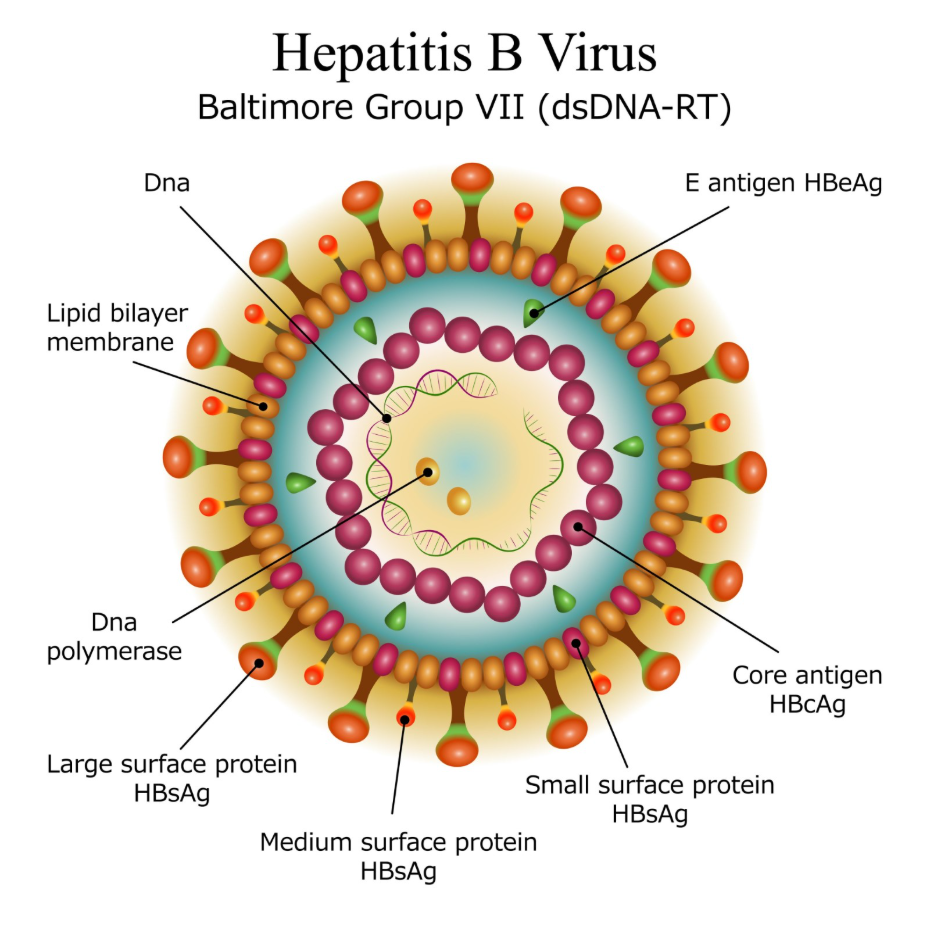
For those requiring the earliest possible confirmation, a Hepatitis B DNA test can detect the genetic material of the virus even sooner than the surface antigen, often within three weeks of exposure. However, this more sensitive test is typically reserved for specific clinical situations rather than routine screening. Most standard clinical pathways in the UK involve an initial HBsAg screen, with the recommendation to retest at a later date if the initial test was performed very shortly after a potential exposure event.
Timelines for Identifying Hepatitis C
Hepatitis C detection relies on identifying either the virus itself or the antibodies produced by the immune system, with detection times ranging from a few weeks to several months. The Hepatitis C RNA (PCR) test is the earliest method of detection, as it identifies the genetic material of the virus in the bloodstream. This test can typically provide a positive result within one to three weeks after the virus has entered the body.
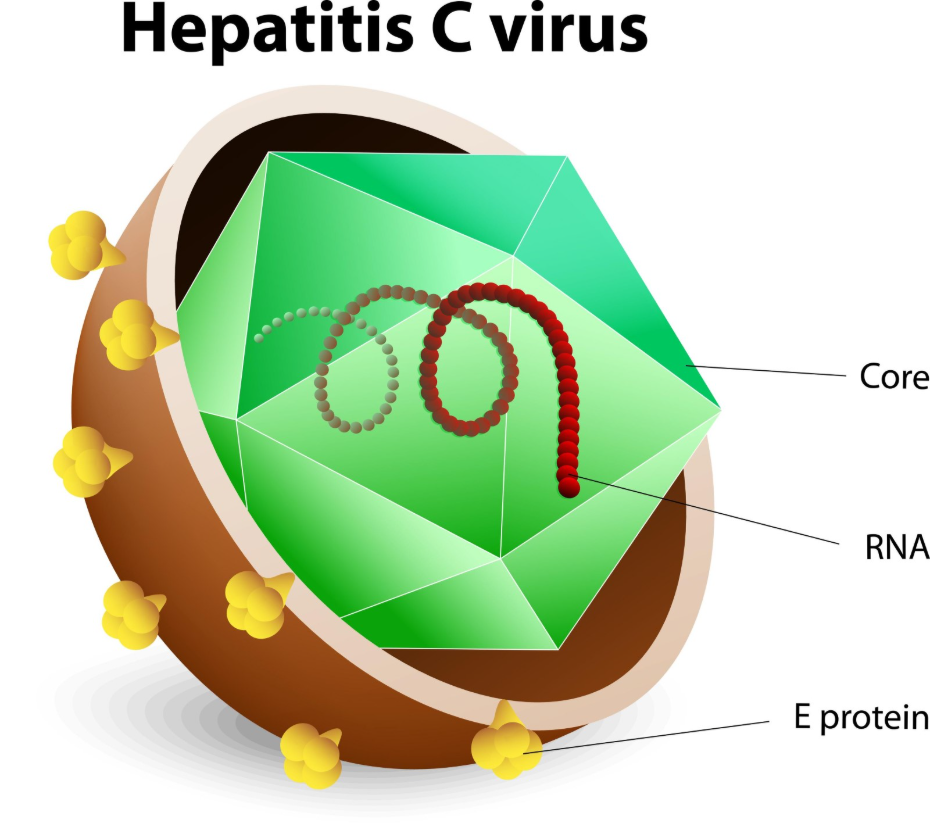
In contrast, the more common Hepatitis C antibody test takes longer to become positive because the body needs time to produce a measurable immune response. NICE clinical guidelines indicate that most people will develop detectable Hepatitis C antibodies within eight to twelve weeks of infection, though in some cases it can take up to six months. Because of this delay, a negative antibody test performed only a few weeks after exposure is not considered definitive, and a follow up test at the three month or six month mark is often required to confirm the result.
Comparing Viral Detection Methods
The choice of test significantly impacts how early an infection can be identified. Laboratory based nucleic acid testing (NAT) focuses on the virus’s genetic blueprint, while serological testing looks for proteins or the body’s reaction to the virus.
| Virus | Test Type | Earliest Detection | Definitive Result Window |
| Hepatitis B | DNA (PCR) | 1 to 3 weeks | 3 months |
| Hepatitis B | Surface Antigen (HBsAg) | 4 to 9 weeks | 6 months |
| Hepatitis C | RNA (PCR) | 1 to 3 weeks | 3 months |
| Hepatitis C | Antibody (Anti-HCV) | 4 to 12 weeks | 6 months |
In UK clinical practice, the antibody test is the standard screening tool due to its cost effectiveness and reliability for long term diagnosis. If an individual is at very high risk or is experiencing acute symptoms, a clinician may opt for the earlier RNA or DNA testing. It is essential to communicate the timing of the potential exposure to the healthcare provider so they can select the most appropriate diagnostic tool for the situation.
Factors Influencing Test Accuracy
Several factors can influence how quickly a blood test identifies a Hepatitis B or C infection, including the individual’s immune system and the viral load at the time of testing. People with weakened immune systems may take longer to produce detectable levels of antibodies, which could extend the window period for serological tests. Additionally, the sensitivity of the specific laboratory equipment used can affect the earliest possible detection point.
The concept of “viral blips” can also play a role, where the virus is present in very low quantities that fluctuate above and below the detection threshold during the very early stages of infection. This is why UK health protocols emphasise the importance of not relying solely on a single early test. The UK Health Security Agency provides guidance on managing potential exposures, stressing that a negative result during the window period does not exclude infection and requires subsequent verification.
The Importance of Follow Up Testing
Follow up testing is a critical component of the diagnostic process to ensure that an infection has not been missed during the initial window period. For Hepatitis B, if an initial test is negative but the exposure occurred less than six months prior, a repeat test is usually scheduled to confirm that the person remains negative. For Hepatitis C, the standard follow up is typically at twelve weeks and sometimes again at twenty four weeks.
Completing the full testing schedule as advised by a healthcare professional is the only way to be certain of one’s status. During this waiting period, individuals are often advised to take precautions to prevent potential transmission to others, such as avoiding the sharing of razors or toothbrushes and using barrier methods during sexual activity. This cautious approach ensures that even if an infection is in its very early, undetectable stage, the risk to the wider community is minimised.
Conclusion
Blood tests can detect Hepatitis B and C relatively early through DNA or RNA testing, but standard antibody and antigen tests require a longer window period to be accurate. While detection is possible within weeks, a definitive negative result often requires follow up testing up to six months after the potential exposure. Understanding these timelines is essential for anyone seeking testing in the UK to ensure that results are interpreted correctly and that necessary clinical actions are taken. If you experience severe, sudden, or worsening symptoms, call 999 immediately.
If my test is negative at four weeks, am I definitely clear?
A negative result at four weeks is encouraging but not definitive for most tests; you will likely need a follow up test at twelve weeks to be certain.
Is the early RNA test always better than the antibody test?
The RNA test is faster for detection, but the antibody test is highly accurate for confirming if you have ever had the virus and is the standard for most screenings.
Do I need to fast before a Hepatitis B or C blood test?
No, fasting is not required for viral hepatitis blood tests, although you should follow any specific instructions provided by your clinic.
Can a home finger prick test detect the virus as early as a hospital test?
Most home kits are antibody tests and require the same window period (up to twelve weeks) as a standard hospital antibody test to be reliable.
Why does Hepatitis B take longer to show antibodies than some other viruses?
Each virus interacts with the immune system differently, and the Hepatitis B virus often replicates slowly during the initial weeks.
Can I catch Hepatitis C again after a negative test result?
Yes, a negative test means you are clear now, but it does not protect you from future infections if you are exposed to the virus again.
What should I do if I think I was exposed yesterday?
You should contact a healthcare professional immediately; while it is too early for a diagnostic test, they can advise on post exposure protocols if applicable.
Authority Snapshot (E-E-A-T)
This article provides medically factual health information regarding viral hepatitis detection windows, strictly aligned with NHS and NICE clinical guidelines. The content is developed by a medical writing team and reviewed by Dr. Stefan Petrov, a UK-trained physician with experience in general medicine, surgery, and emergency care. All information is based on current UK public health standards to ensure accuracy and patient safety.



