




Diagnosing a Hepatitis C infection involves a structured clinical process that primarily utilises specialised blood tests to detect the presence of the virus and the body’s immune response. Because Hepatitis C often presents without obvious symptoms, these laboratory investigations are the only definitive way to confirm an infection. In the United Kingdom, the diagnostic pathway is designed to be highly accurate, ensuring that individuals receive a clear result regarding their viral status and the health of their liver. This allows for the timely initiation of modern antiviral treatments which are highly effective at clearing the virus from the body.
What We’ll Discuss in This Article
- The role of the Hepatitis C antibody test as an initial screen.
- The purpose of the Hepatitis C RNA (PCR) test in confirming active infection.
- How clinicians interpret the combination of different test results.
- Additional tests used to assess liver damage or scarring.
- The importance of testing for individuals at increased risk of exposure.
- Modern methods for accessing testing, including home sampling kits.
The Initial Hepatitis C Antibody Test
A Hepatitis C antibody test is the standard first step in the diagnostic process and is used to determine if an individual has ever been exposed to the virus. Antibodies are proteins produced by the immune system in response to an infection. The NHS uses the antibody test to screen for past or current exposure to Hepatitis C, as these proteins remain in the blood even if the infection has been cleared naturally.
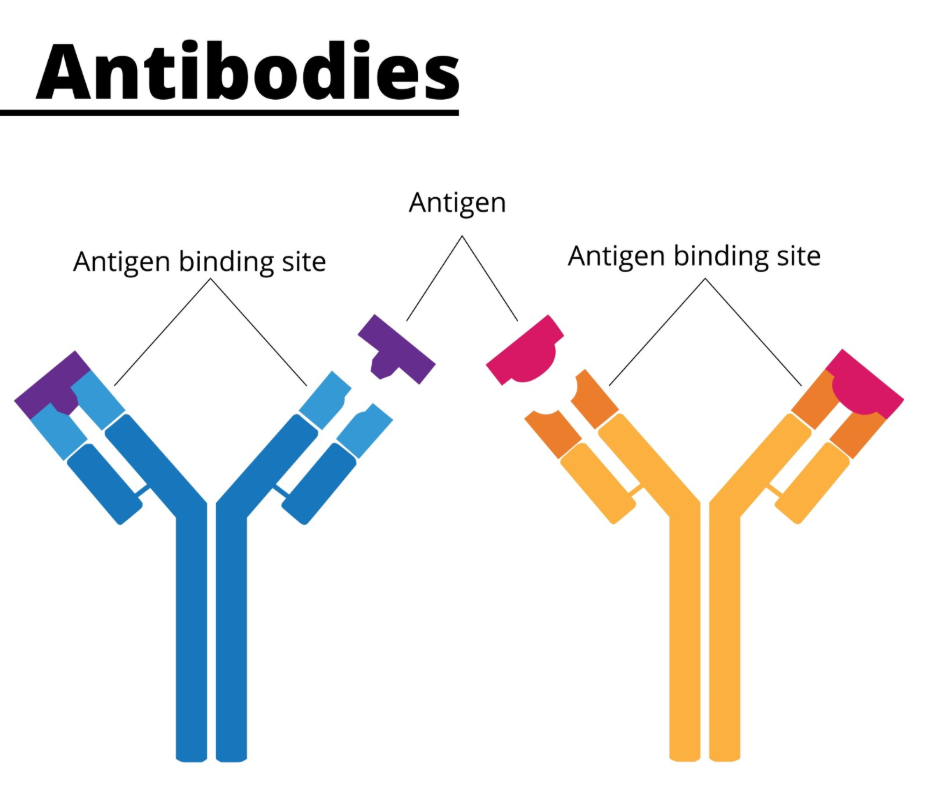
A positive result on an antibody test does not necessarily mean that a person is currently infected. It simply indicates that the virus has been present in the body at some point in time. Approximately one in four people will clear the virus naturally without medical intervention, but they will continue to test positive for antibodies for the rest of their lives. Therefore, if the antibody test is positive, a second, more specific test is required to confirm if the virus is still active in the bloodstream.
Confirming Active Infection with RNA (PCR) Testing
If the initial antibody test returns a positive result, a Hepatitis C RNA test, often referred to as a PCR test, is performed to look for the actual genetic material of the virus. This test is highly sensitive and can detect very small amounts of the virus circulating in the blood. A positive RNA test confirms that the person has an active Hepatitis C infection and can potentially pass the virus to others through blood-to-blood contact.
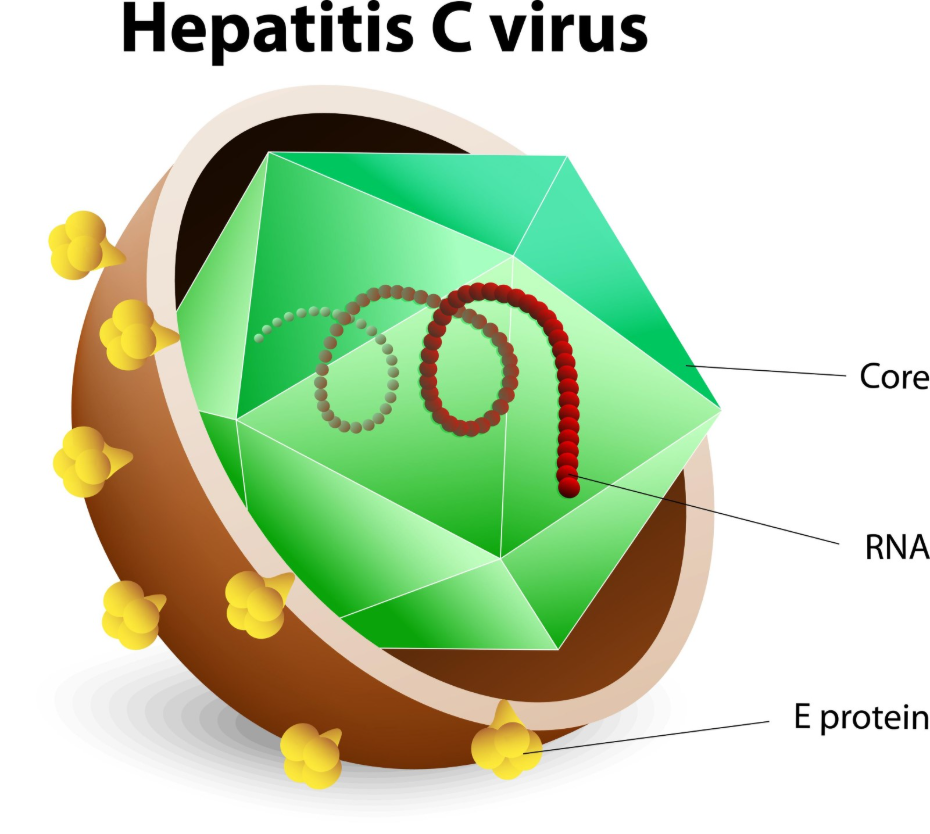
NICE clinical guidelines recommend that all individuals with a positive antibody result must undergo RNA testing to ensure that those with active chronic infection are identified and offered treatment. This two-stage testing process is essential for distinguishing between people who have successfully cleared the virus in the past and those who require medical care today. In some clinical settings, a “reflex” testing system is used, where the laboratory automatically performs the RNA test on the same blood sample if the antibodies are detected.
Assessing Liver Health and Damage
Once an active Hepatitis C infection is confirmed, further investigations are carried out to assess whether the virus has caused any inflammation or scarring in the liver. Liver Function Tests (LFTs) are a group of blood tests that measure levels of enzymes and proteins, such as alanine aminotransferase (ALT), which can leak into the blood when liver cells are damaged. While LFTs cannot diagnose Hepatitis C on their own, they provide vital information about the current state of liver health.
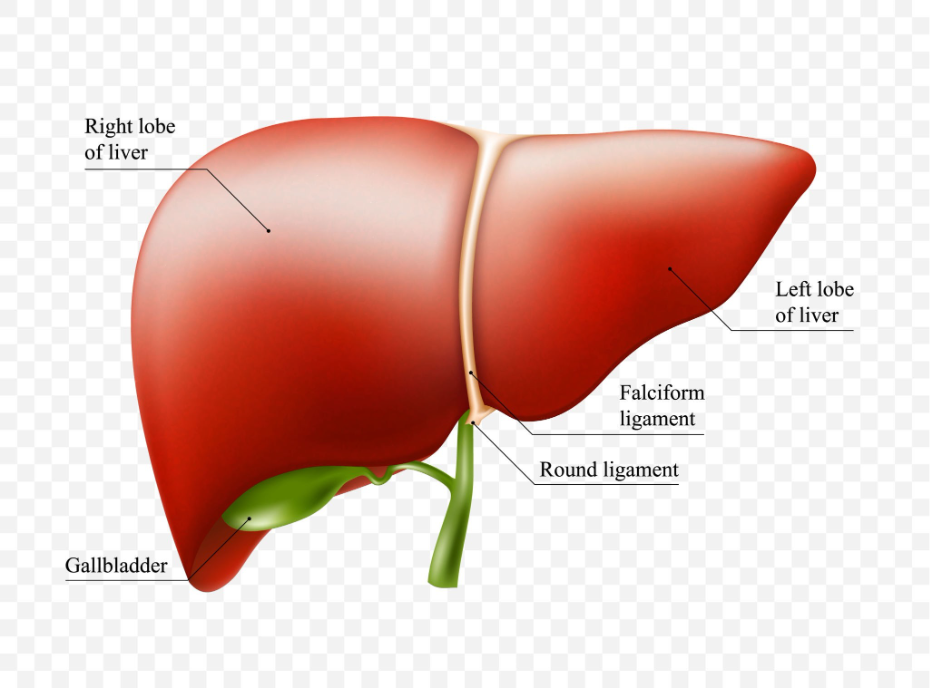
To check for more significant scarring (fibrosis or cirrhosis), clinicians may use a non-invasive scan called a FibroScan. This is similar to an ultrasound and measures the “stiffness” of the liver, which correlates with the amount of scar tissue present. In some cases, more detailed imaging like a traditional ultrasound or even a liver biopsy may be requested, although biopsies are less common now that high-quality non-invasive tools are available. These assessments help the specialist team determine the urgency of treatment and monitor for long-term complications.
Interpreting Your Results
The combination of antibody and RNA test results provides a clear clinical picture of a person’s Hepatitis C status. Understanding these results is key to planning the next steps in a patient’s care.
| Antibody Test Result | RNA (PCR) Test Result | Clinical Interpretation |
| Negative | Not required | No exposure; person is not infected. |
| Positive | Negative | Past exposure; virus has been cleared. |
| Positive | Positive | Active infection; person requires treatment. |
If both tests are positive, the individual will be referred to a specialist clinic for a “genotype” test. This test identifies the specific strain of the Hepatitis C virus, which helps the medical team choose the most effective combination of antiviral medications. There are several different genotypes of the virus, and while modern treatments work well against all of them, knowing the specific strain ensures the treatment plan is tailored to the individual.
Accessing Testing in the UK
In the UK, there are multiple ways to access Hepatitis C testing, many of which are confidential and free of charge. Most people visit their GP or a sexual health clinic to have the blood tests performed. Additionally, the NHS has introduced home sampling services where individuals can order a kit online, take a small finger-prick blood sample at home, and send it back to a laboratory for analysis.
The UK government health services actively encourage testing for anyone who may have been at risk, including individuals who received a blood transfusion in the UK before September 1991. Other risk factors include having had medical or dental treatment in a country where infection control is less stringent, or having ever shared equipment for injecting drugs, even if only once many years ago. Early diagnosis through testing is the first step toward accessing curative treatment and preventing long-term liver damage.
Conclusion
Diagnosing Hepatitis C requires a two-step process involving an initial antibody screen followed by a confirmatory RNA test to detect active virus. These investigations, supplemented by liver health assessments like LFTs and FibroScans, allow clinical teams to provide accurate diagnoses and personalised treatment plans. Accessing these tests is vital for anyone at risk, as modern antiviral therapies can now cure the vast majority of infections. If you experience severe, sudden, or worsening symptoms, call 999 immediately.
How long does it take for Hepatitis C to show up in a test?
Antibodies usually take between 4 and 12 weeks to develop after exposure, but the RNA test can sometimes detect the virus within a few weeks.
Can a blood test tell me if my treatment worked?
Yes, a PCR test is performed 12 weeks after you finish treatment to check if the virus has been completely cleared from your blood.
If my antibody test is positive but the PCR is negative, am I still infectious?
No, a negative PCR test means there is no active virus in your blood, so you cannot pass the infection to others.
Is there a difference between a finger-prick test and a standard blood draw?
Finger-prick tests are often used for initial screening or home kits, but a standard blood draw from the arm is usually required for confirmatory RNA testing.
Will a routine health check-up find Hepatitis C?
No, standard blood tests do not usually look for Hepatitis C antibodies unless a specific request is made based on risk or symptoms.
Do I need to be tested again if I cleared the virus once?
Yes, if you have a new potential exposure, as clearing the virus naturally or with treatment does not make you immune to catching it again.
Is the testing process confidential?
Yes, all medical testing in the UK is confidential, and you can also access testing through sexual health clinics if you prefer.
Authority Snapshot (E-E-A-T)
This article provides medically factual health information regarding Hepatitis C diagnostics, strictly aligned with NHS and NICE clinical guidelines. The content is developed by a medical writing team and reviewed by Dr. Stefan Petrov, a UK-trained physician with experience in general medicine, surgery, and emergency care. All information follows current UK public health protocols to ensure patient safety and clinical accuracy.



