




Bowel cancer treatment pathways in the UK are diverse and depend heavily on the stage and location of the cancer at the time of detection. While surgery is the most common primary treatment for localised tumours, it is not the only option, and it is not always the first step in a patient’s care plan. Modern medicine utilises a range of interventions, including radiotherapy, chemotherapy, and targeted biological therapies, to manage the condition. For some patients, these treatments may be used in place of surgery or to supplement it to ensure the best possible health outcome.
What We’ll Discuss in This Article
- The role of surgery as a primary treatment for bowel cancer.
- Instances where non-surgical treatments are used as the first line of care.
- How very early-stage cancers or polyps are managed without major surgery.
- The application of “watch and wait” strategies in specific rectal cancer cases.
- Treatment pathways for advanced or metastatic bowel cancer.
- The decision-making process involving the multidisciplinary clinical team.
Surgery as the Standard Primary Treatment
Surgery is the primary treatment for the majority of bowel cancer patients in the UK because it offers the most direct method of removing cancerous cells from the body. The procedure involves removing the segment of the bowel containing the tumour along with a margin of healthy tissue and nearby lymph nodes. For many patients, particularly those with cancer caught in the early stages, surgical removal may be the only treatment required to achieve a full recovery.
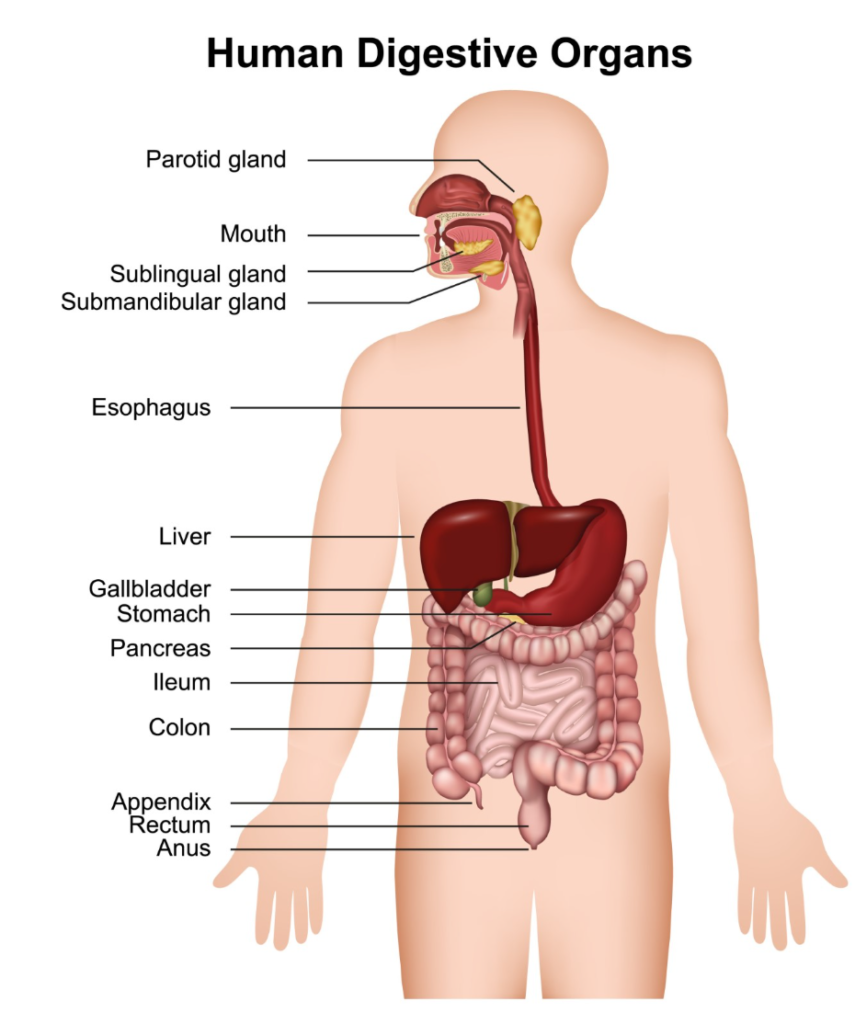
The NHS offers different types of surgery for bowel cancer, ranging from local excision to major bowel resection, depending on the tumour’s size and location. While surgery is highly effective, the decision to proceed depends on the patient’s general fitness and whether the cancer is confined to an area that can be safely removed. If a patient is not well enough for a major operation, clinical teams will explore alternative therapies to control the growth of the cancer.
Managing Very Early Cancer Without Major Surgery
Very early-stage bowel cancer or pre-cancerous growths can often be treated without the need for major abdominal surgery through endoscopic procedures. If cancer is detected while it is still confined to a polyp, a clinician may be able to remove it entirely during a colonoscopy using a technique called a polypectomy or an endoscopic mucosal resection. This involves using a wire loop and an electric current to remove the growth from the bowel wall.
These minimally invasive techniques are a significant part of the UK screening programme’s success. By removing these growths before they have the chance to develop or spread deeper into the bowel wall, the need for more invasive surgery is avoided. Patients who undergo these procedures typically recover very quickly and return home the same day, though they will require regular follow-up colonoscopies to ensure the area remains clear.
The Role of Radiotherapy and Chemotherapy as Alternatives
In some cases, particularly with rectal cancer, radiotherapy or chemotherapy may be used as the initial treatment to shrink a tumour before surgery is even considered. This is known as neoadjuvant therapy. For some patients with rectal cancer who show an exceptional response to these treatments, the tumour may disappear entirely. In these specific circumstances, a “watch and wait” strategy might be employed, where the patient is monitored very closely with regular scans and examinations rather than proceeding immediately to surgery.
NICE guidelines recommend specific chemotherapy and radiotherapy protocols for rectal cancer to maximise the chances of shrinking the tumour and preserving bowel function. This approach is particularly useful if a tumour is located very low in the rectum, where surgery might otherwise require a permanent stoma. While surgery remains the default for most, these non-surgical advancements allow for more personalised and less invasive options for a growing number of patients.
Treatment for Advanced or Metastatic Cancer
When bowel cancer has spread to other parts of the body, such as the liver or lungs, surgery on the primary bowel tumour may not be the immediate priority. In these advanced stages, treatment often focuses on systemic therapies like chemotherapy, targeted biological drugs, or immunotherapy. These treatments work throughout the whole body to shrink tumours in multiple locations and manage the progression of the disease.
| Treatment Type | Targeted Area | Primary Goal |
| Surgery | Localised (Bowel) | Physical removal of the tumour |
| Radiotherapy | Localised (Rectum) | Shrinking tumour or killing local cells |
| Chemotherapy | Systemic (Whole body) | Killing cells that have spread |
| Biologicals | Systemic (Specific) | Blocking cancer growth signals |
In this context, surgery might be used palliatively to prevent complications such as a bowel blockage, rather than as a curative measure. However, if the secondary tumours in the liver or lungs are small and limited in number, a patient might be offered surgery to remove both the primary bowel cancer and the spread. This coordinated approach depends on the cancer’s response to initial chemotherapy and the patient’s overall health.
The Multidisciplinary Team Decision
The decision of whether or not to use surgery is never made by a single doctor but by a multidisciplinary team (MDT). This team consists of surgeons, oncologists, radiologists, and specialist nurses who meet to review every patient’s diagnostic results. They consider the stage of the cancer, the biological markers of the tumour, and the patient’s personal preferences and fitness levels before recommending a treatment plan.
The National Institute for Health and Care Excellence provides the evidence-based framework that these teams use to ensure all patients receive the most effective treatment for their specific situation. The MDT approach ensures that if a non-surgical option is more appropriate or if surgery should be delayed in favour of other therapies, that decision is backed by a consensus of experts. This high level of coordination is a standard of care across the NHS to ensure clinical safety and accuracy.
Conclusion
Surgery is a cornerstone of bowel cancer treatment, but it is not the only path to managing the disease. Whether a patient requires a major operation, a simple endoscopic procedure, or a combination of non-surgical therapies depends on several clinical factors. The UK’s multidisciplinary approach ensures that treatment is tailored to the individual, focusing on both the removal of the cancer and the preservation of quality of life. If you experience severe, sudden, or worsening symptoms, call 999 immediately.
Can I choose chemotherapy instead of surgery?
Treatment recommendations are based on clinical evidence; if surgery is the only way to remove the cancer effectively, the MDT will explain why it is the preferred option over chemotherapy alone.
Is “watch and wait” a safe option?
This strategy is only used for specific rectal cancer cases where the tumour has completely responded to radiotherapy and involves very frequent monitoring to ensure safety.
What happens if I am too frail for surgery?
If major surgery is too risky, clinicians may offer radiotherapy, stenting to keep the bowel open, or lower-intensity chemotherapy to manage the condition.
Does having a stoma mean the surgery was a failure?
No, a stoma is often a necessary part of a successful surgery to allow the bowel to heal or to ensure all of the cancer is removed safely.
Can a tumour be too large to operate on?
Sometimes a tumour is too large or attached to other organs, in which case radiotherapy or chemotherapy is used first to shrink it to a size where surgery becomes possible.
Is laser treatment an alternative to surgery?
Laser treatment is generally used palliatively to clear a blockage in the bowel rather than as a curative replacement for surgical removal of a tumour.
Will I still need screening after non-surgical treatment?
Yes, regardless of the treatment type, regular follow-up scans and colonoscopies are essential to monitor your health and check for any signs of recurrence.
Authority Snapshot (E-E-A-T)
This article provides medically safe and factual information on bowel cancer treatment pathways, strictly aligned with NHS and NICE clinical standards. The content is authored by a medical writing team and reviewed by Dr. Stefan Petrov, a UK-trained physician with extensive experience in general medicine, surgery, and emergency diagnostics. All health information is sourced from official UK authorities to ensure clinical accuracy and patient safety.



