




Hepatitis C is a blood borne virus that significantly increases the risk of developing chronic liver disease if the infection is not identified and treated early. While some individuals clear the virus naturally during the initial acute phase, the majority of those infected develop a long term chronic condition where the virus persists in the liver for many years. Because this process is often asymptomatic for several decades, the virus can silently cause progressive inflammation and scarring, which may eventually impair the essential functions of the liver. In the United Kingdom, healthcare strategies focus on early detection through screening and the use of modern curative treatments to prevent the progression to advanced liver disease.
What We’ll Discuss in This Article
- The transition from an acute infection to chronic Hepatitis C.
- The biological process of liver inflammation and fibrous scarring.
- Recognising the stages of liver damage from fibrosis to cirrhosis.
- Factors that accelerate the progression of chronic liver disease.
- The role of modern antiviral medications in stopping liver damage.
- Monitoring requirements for individuals with long term liver scarring.
The Development of Chronic Hepatitis C
Hepatitis C leads to chronic liver disease in a high proportion of cases because the virus frequently evades the body’s natural immune response after the initial exposure. An infection is classified as chronic if the Hepatitis C virus remains detectable in the blood for longer than six months. The NHS states that around one in four people will clear the virus naturally, but the remaining three quarters will develop a chronic infection that can last for the rest of their lives.
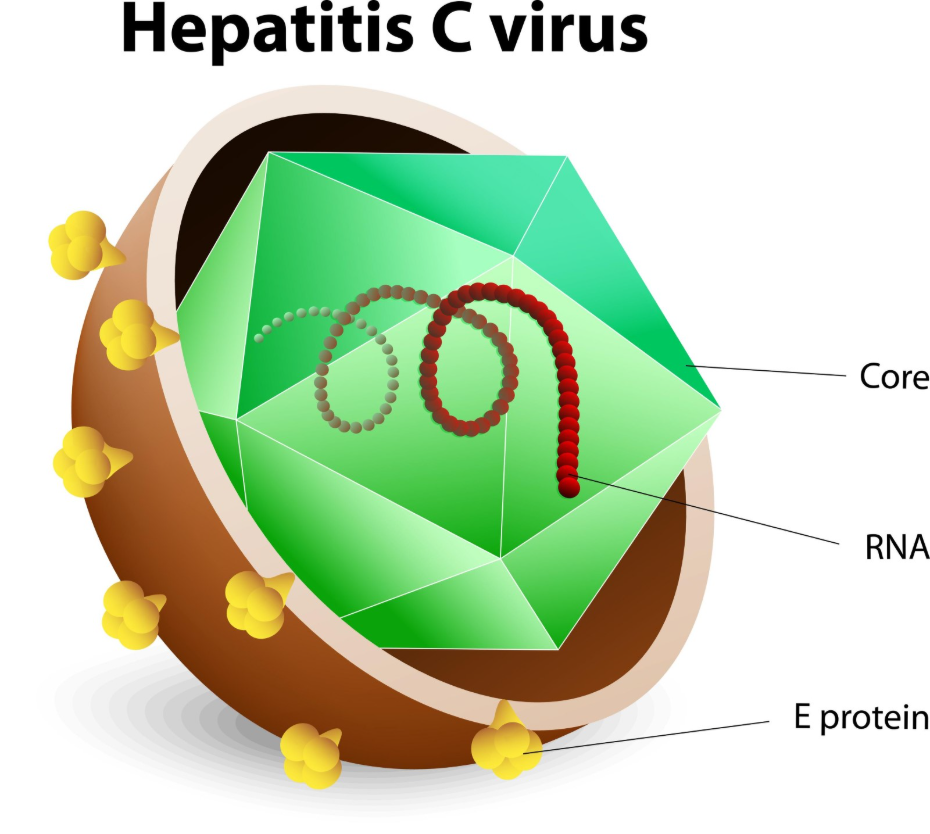
During a chronic infection, the virus uses liver cells to replicate itself, which triggers a continuous inflammatory response from the immune system. This persistent inflammation is the primary driver of liver damage. Because Hepatitis C often produces no symptoms for twenty or thirty years, many people are unaware that this inflammatory process is occurring until significant liver dysfunction begins to manifest.
The Progression of Liver Scarring
Chronic liver disease caused by Hepatitis C typically progresses through several stages, starting with inflammation and leading to the accumulation of scar tissue. When the liver is constantly inflamed, the body attempts to heal itself by creating fibrous tissue. This early stage of scarring is known as fibrosis. As more healthy liver tissue is replaced by these tough fibres, the liver becomes less flexible and its ability to filter toxins from the blood begins to diminish.
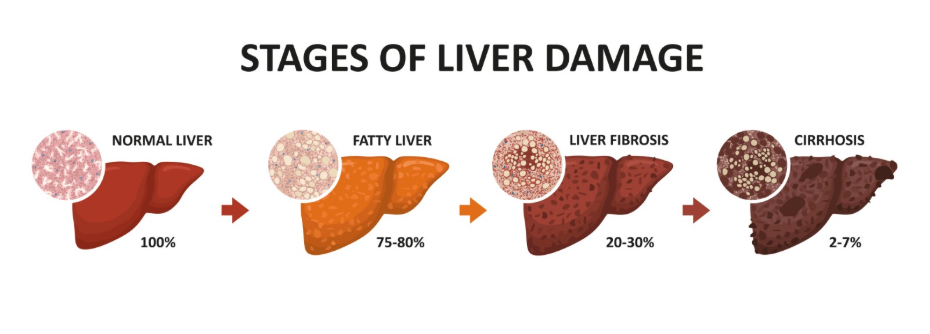
If the inflammation continues for many years, the scarring can become so extensive that it reaches the stage of cirrhosis. Cirrhosis is a late stage of chronic liver disease where the liver’s architecture is permanently altered by thick bands of scar tissue. NICE clinical guidelines indicate that the risk of developing cirrhosis after 20 years of chronic Hepatitis C infection is significant and requires regular clinical monitoring. At this stage, the liver may struggle to perform vital tasks such as producing proteins for blood clotting and managing bile flow.
Complications of Advanced Chronic Liver Disease
When chronic Hepatitis C reaches the stage of cirrhosis, the risk of serious health complications increases significantly. The liver may become “decompensated,” meaning it can no longer compensate for the amount of scar tissue and begins to fail. This can lead to symptoms such as jaundice, which is a yellowing of the skin and eyes, and the accumulation of fluid in the abdomen or legs.
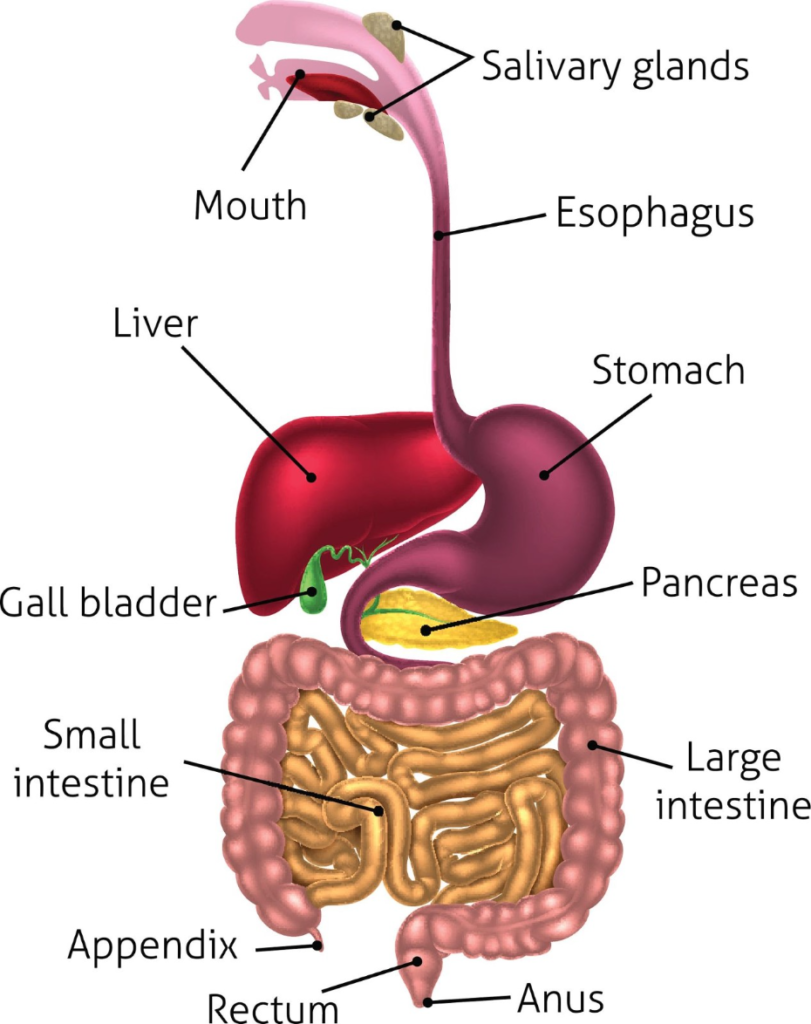
Another major concern for those with advanced chronic liver disease is the increased risk of developing primary liver cancer. The constant cycle of cell damage and repair in a cirrhotic liver creates an environment where malignant changes are more likely to occur. For this reason, individuals in the UK with a diagnosis of Hepatitis C related cirrhosis are placed on a surveillance pathway, which typically involves regular ultrasound scans and blood tests to monitor for early signs of cancer.
Factors Influencing the Speed of Damage
The speed at which Hepatitis C leads to chronic liver disease can vary greatly between individuals and is influenced by several lifestyle and biological factors. Consuming alcohol is one of the most significant factors, as it causes additional stress and inflammation in the liver, accelerating the development of fibrosis and cirrhosis. Individuals with chronic Hepatitis C are strongly advised to avoid or significantly limit alcohol intake to protect their remaining healthy liver tissue.
Other factors that may influence the progression include the age at which the person was infected, their gender, and whether they have other health conditions such as Hepatitis B or HIV. Being overweight or having high levels of iron in the liver can also contribute to faster scarring. Understanding these variables helps clinicians tailor their monitoring and treatment plans to the specific needs of the patient, prioritising those at higher risk of rapid liver deterioration.
Stopping Progression with Modern Treatment
The most effective way to prevent Hepatitis C from leading to advanced chronic liver disease is to clear the virus from the body using modern antiviral medications. Current treatments, known as direct acting antivirals, involve taking tablets for 8 to 12 weeks and have a cure rate of over 95 percent. By removing the virus, the source of the persistent inflammation is eliminated, which stops the progression of further scarring.
| Stage of Disease | Impact of Curative Treatment |
| Early Fibrosis | Stops further scarring; liver may begin to repair itself. |
| Moderate Fibrosis | Prevents progression to cirrhosis and liver failure. |
| Cirrhosis | Reduces risk of liver cancer and failure; stabilises condition. |
Clearing the virus allows the liver an opportunity to heal. In cases of early or moderate fibrosis, the liver can often repair some of the damage over time once the virus is gone. For those who already have cirrhosis, clearing the virus is still essential as it significantly reduces the likelihood of the liver failing or cancer developing, although long term surveillance for cancer will still be required.
Conclusion
Hepatitis C can and frequently does lead to chronic liver disease, progressing from inflammation to fibrosis and potentially cirrhosis over several decades. While the process is often silent, the long term impact on liver health can be severe if the virus is not treated. Modern UK medical care provides highly effective curative treatments that can stop this progression and protect the liver from further damage. If you experience severe, sudden, or worsening symptoms, call 999 immediately.
If I have chronic Hepatitis C, will I definitely get cirrhosis?
No, not everyone with chronic Hepatitis C develops cirrhosis; early treatment and lifestyle changes can prevent this stage from being reached.
Can liver damage be reversed after the virus is cured?
In the early stages of fibrosis, the liver has a high capacity to repair itself once the virus is cleared, but advanced scarring (cirrhosis) is usually permanent.
How can I tell if my liver is scarred?
Clinicians use blood tests and a non invasive scan called a FibroScan to measure the stiffness of the liver and estimate the level of scarring.
Does the genotype of the virus affect the risk of liver disease?
While some strains may be slightly more aggressive, the primary factor for liver disease is the duration of the infection and individual health factors.
Is there a vaccine to prevent chronic Hepatitis C?
There is currently no vaccine for Hepatitis C, so prevention relies on avoiding blood to blood contact and early treatment.
Can I still develop liver cancer after the virus is cured?
The risk is greatly reduced, but if you already had significant scarring (cirrhosis) before being cured, you will still need regular check ups for cancer.
How often should my liver be checked if I have chronic Hepatitis C?
The frequency of check ups depends on the amount of liver damage you have; your specialist will determine a schedule based on your FibroScan and blood results.
Authority Snapshot (E-E-A-T)
This article provides medically factual health information regarding Hepatitis C and chronic liver disease, strictly aligned with NHS and NICE clinical guidelines. The content is developed by a medical writing team and reviewed by Dr. Rebecca Fernandez, a UK-trained physician with extensive experience in internal medicine and emergency care. All information follows current UK public health protocols to ensure patient safety and clinical accuracy.



