




Recovery after bowel cancer surgery is a gradual process that varies for each individual depending on the complexity of the operation and the surgical method used. While the initial hospital stay typically lasts between three and ten days, full physical and functional recovery often takes several months. The UK healthcare system utilises Enhanced Recovery Programmes to help patients regain their independence more quickly, focusing on early mobilisation and specific dietary management to ensure the bowel returns to normal function as safely as possible.
What We’ll Discuss in This Article
- The average duration of the hospital stay following different surgical techniques.
- Immediate postoperative milestones and the Enhanced Recovery Programme.
- Typical timelines for returning to physical activity, work, and driving.
- Managing dietary transitions and bowel habit changes during recovery.
- The role of follow-up care and monitoring after the initial healing phase.
- Factors that may influence or prolong the individual recovery journey.
Immediate Postoperative Recovery in Hospital
The first stage of recovery begins in the hospital immediately after the operation and typically lasts between three and seven days for laparoscopic surgery or slightly longer for open surgery. During this time, the clinical team focuses on pain management, monitoring bowel function, and encouraging the patient to sit up or walk. The NHS implements Enhanced Recovery Programmes to reduce the length of hospital stays and help patients recover more effectively by encouraging early eating and movement.
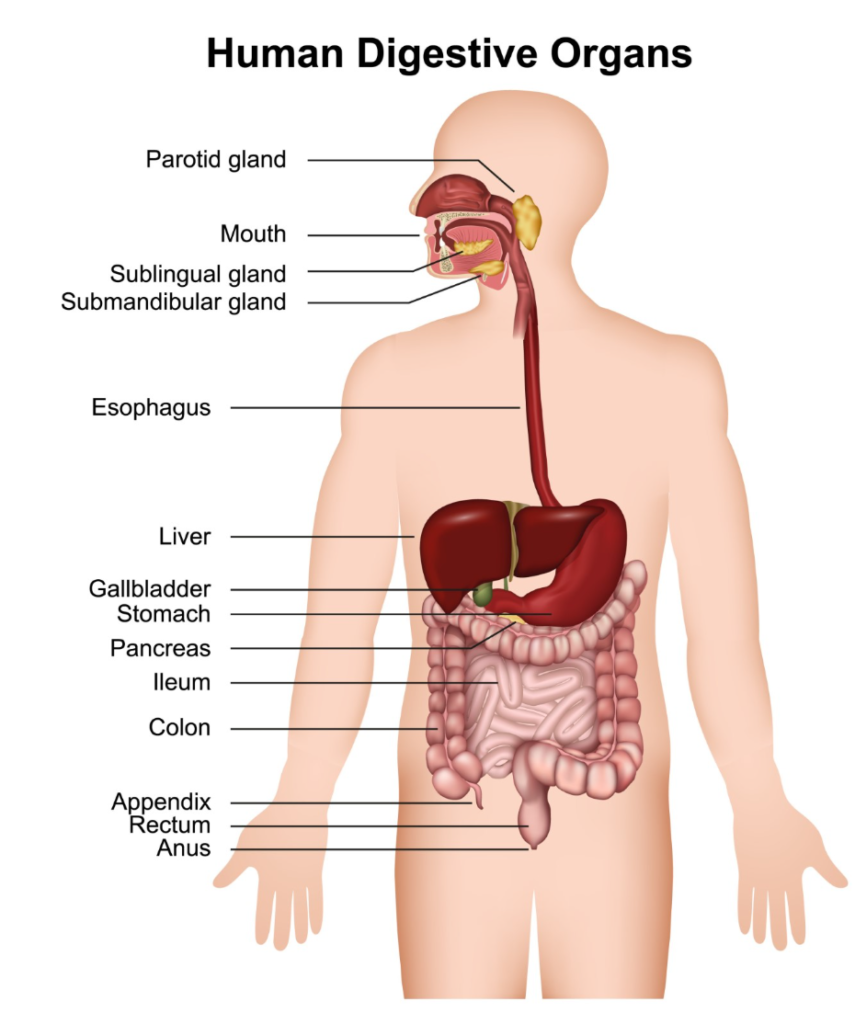
In the first 24 to 48 hours, patients are usually encouraged to begin sipping fluids and gradually move on to light snacks. The medical team will check that the patient can pass wind or have a bowel movement, which indicates that the digestive system is starting to work again. If the surgery involved the creation of a stoma, a specialist stoma nurse will provide education on how to manage the bag and care for the surrounding skin before the patient is discharged home.
Recovery Milestones at Home
Once discharged, the next phase of recovery typically takes between six and twelve weeks as the internal tissues heal and energy levels gradually return. During the first fortnight at home, most people feel very tired and may need to rest frequently throughout the day. It is common to experience some discomfort around the incision sites, which can usually be managed with standard pain relief medication as advised by the hospital.
By the six-week mark, many patients find they can increase their activity levels, such as taking longer walks or performing light household tasks. However, heavy lifting and strenuous exercise must be avoided for at least six to eight weeks to prevent the risk of developing a hernia at the wound site. NICE guidelines for colorectal cancer highlight that the speed of recovery can be influenced by the patient’s preoperative fitness and the absence of postoperative complications. Every patient receives a follow-up appointment, usually within six weeks of surgery, to review their progress and discuss any further treatment if required.
Returning to Work and Daily Activities
The timeline for returning to work depends on the nature of the job and the individual’s progress, but most people require between eight and twelve weeks of recovery. For those in sedentary or office-based roles, a phased return to work may be possible sooner, while those in physically demanding roles involving lifting or long hours on their feet may need the full three months. It is important to discuss a return-to-work plan with both the employer and a GP to ensure it is manageable.
Driving is another significant milestone in recovery. Most patients are advised not to drive for at least four to six weeks following major abdominal surgery. Before returning to the road, a person must be able to perform an emergency stop comfortably and without pain, and they should check with their motor insurance provider to ensure they are covered to drive following a major surgical procedure.
Adjusting to Changes in Bowel Habits
It is normal for bowel habits to be irregular for several months following surgery as the remaining part of the bowel adjusts to its new length or configuration. Patients may experience increased frequency of bowel movements, urgency, or looser stools. These symptoms often settle down over time, but it can take six months to a year for the bowel to establish a new, permanent routine.
Dietary adjustments play a vital role during this transitional period. Initially, a low-fibre diet may be recommended to avoid overstimulating the healing bowel, with a gradual reintroduction of high-fibre foods as tolerated. If these changes are persistent or cause distress, specialist nurses or dietitians can provide strategies, such as pelvic floor exercises or specific dietary modifications, to help improve bowel control and consistency.
Factors Affecting the Length of Recovery
Several clinical and personal factors can influence how long it takes for an individual to feel fully recovered. Patients who undergo laparoscopic or robotic surgery typically experience less pain and shorter hospital stays than those who have open surgery. Age, nutritional status, and pre-existing health conditions like diabetes or heart disease can also play a role in the speed of wound healing and the return of energy levels.
If additional treatments such as chemotherapy are required after surgery, the overall recovery period will be extended. Chemotherapy usually begins several weeks after the operation once the surgical wounds have healed sufficiently. In these cases, the focus of recovery shifts toward managing the side effects of systemic treatment while maintaining the progress made following the surgical intervention.
Conclusion
The recovery period after bowel cancer surgery is a staged process, typically moving from intensive hospital care to a gradual return to normal activities over three months. While the initial healing of surgical wounds occurs within weeks, the adjustment of the digestive system and the return of full energy levels often take longer. Consistent follow-up and adherence to clinical advice are essential for a successful long-term outcome. If you experience severe, sudden, or worsening symptoms, call 999 immediately.
When can I start exercising after bowel surgery?
Gentle walking is encouraged immediately, but you should wait at least six to eight weeks before starting more strenuous exercise or lifting heavy weights.
Is it normal to feel very emotional during recovery?
Yes, it is very common to experience a range of emotions or feel low after major surgery and a cancer diagnosis; support is available through your specialist nurse.
How long will I need to wear surgical stockings?
You are usually advised to wear compression stockings for several weeks after surgery to help prevent blood clots while your mobility is still limited.
Will my bowel habits ever go back to exactly how they were before?
The bowel often finds a new routine, but it may be different from before surgery, especially if a significant portion of the colon or rectum was removed.
Can I go on holiday during my recovery?
You should discuss travel plans with your surgeon; short trips may be possible after a few weeks, but long-haul flights are generally discouraged for at least six weeks.
What should I do if my wound looks red or feels hot?
You should contact your GP or the hospital surgical team immediately, as these can be signs of a wound infection that may require antibiotics.
When will I get my final results after the surgery?
The tissue removed during surgery is analysed in a laboratory, and the results are usually discussed with you at your follow-up appointment about two weeks later.
Authority Snapshot (E-E-A-T)
This article provides medically factual information regarding the recovery process following bowel cancer surgery, strictly aligned with NHS and NICE clinical guidelines. The content is authored by a professional medical writing team and reviewed by Dr. Stefan Petrov, a UK-trained physician with experience in surgery, anaesthesia, and emergency care. National standards for postoperative care and surgical recovery are maintained by the NHS to ensure patient safety and clinical consistency.



