




The progression of Hepatitis B and Hepatitis C when left untreated is typically a slow process that occurs over several decades, although the speed of liver damage can vary significantly between individuals. Both viruses cause chronic inflammation of the liver, which gradually leads to the replacement of healthy tissue with scar tissue, a process known as fibrosis. Because these infections often produce few or no symptoms during the early stages, significant liver damage can occur before a person feels unwell. In the United Kingdom, healthcare strategies focus on early detection and intervention to stop or slow this progression, thereby reducing the risk of advanced liver disease or liver failure.
What We’ll Discuss in This Article
- The general timeline for liver damage in chronic viral hepatitis.
- Factors that influence how quickly Hepatitis B progresses in the body.
- The typical stages of Hepatitis C progression from infection to cirrhosis.
- Lifestyle factors that can accelerate liver scarring and inflammation.
- The biological differences in progression between the two viruses.
- How regular monitoring in the UK identifies changes in liver health.
The Timeline of Chronic Hepatitis B Progression
Chronic Hepatitis B progression is often characterised by different phases of viral activity, with significant liver damage usually taking twenty to forty years to develop in most untreated adults. The virus can exist in a dormant state for long periods, but if it remains active, the persistent immune response causes ongoing injury to liver cells. The NHS notes that while many people with hepatitis B will not experience significant problems, a significant minority will develop serious liver scarring or liver cancer if the infection is not monitored.
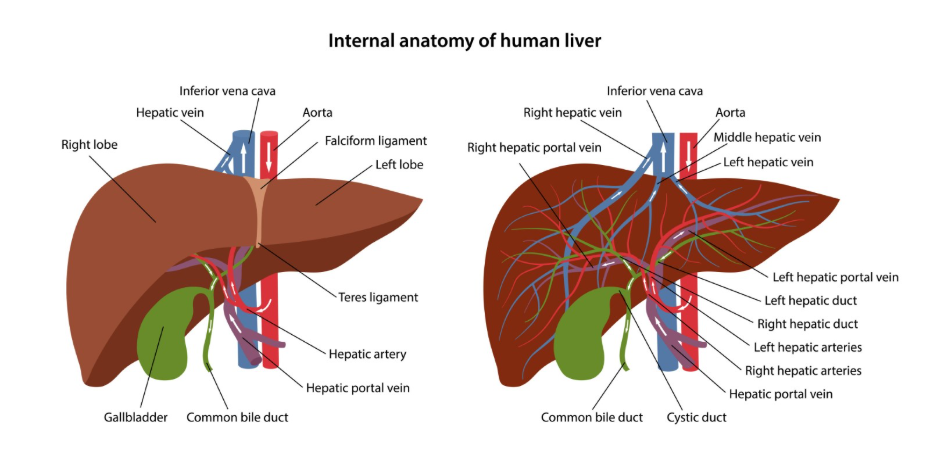
The speed of progression in Hepatitis B is highly dependent on the age at which the infection was acquired. Those infected at birth or in early childhood are much more likely to remain asymptomatic carriers for decades before entering an active phase of liver inflammation. In contrast, adults who develop a chronic infection may see more rapid fluctuations in liver enzyme levels, requiring closer clinical observation to determine when antiviral treatment should begin to prevent permanent scarring.
Stages of Untreated Hepatitis C Progression
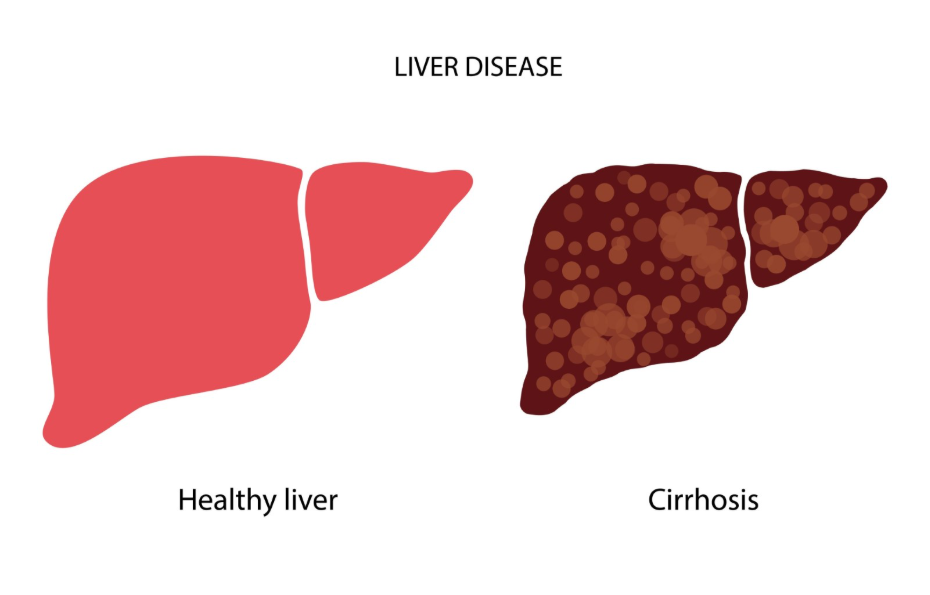
Hepatitis C typically progresses through several stages of liver scarring, with about twenty percent of untreated individuals developing cirrhosis over a twenty to thirty year period. The process begins with chronic inflammation, leading to mild fibrosis, where small streaks of scar tissue appear in the liver. Over time, these scars connect and form bridges, eventually leading to the extensive, permanent scarring known as cirrhosis.
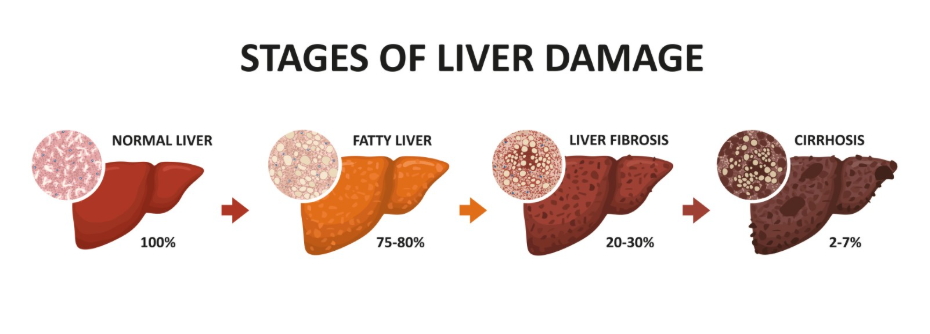
NICE guidelines state that the progression of hepatitis C is often silent, meaning that patients may reach advanced stages of fibrosis without experiencing any outward symptoms. Once cirrhosis is reached, the liver is no longer able to function effectively, and the risk of liver failure or primary liver cancer increases significantly. Because the progression is so slow, many people are only diagnosed when they undergo blood tests for unrelated issues or through targeted screening programmes.
Factors That Accelerate Viral Progression
Several external and biological factors can significantly increase the speed at which Hepatitis B or C causes liver damage. Alcohol consumption is the most critical factor, as alcohol directly causes additional inflammation and oxidative stress in the liver, working alongside the virus to destroy healthy cells. Individuals with viral hepatitis who consume alcohol are at a much higher risk of developing cirrhosis much earlier than those who abstain.
Other factors that accelerate progression include:
- Co-infection with other viruses such as HIV or another type of hepatitis.
- Having pre-existing fatty liver disease or a high body mass index.
- Being male or being over the age of forty or fifty at the time of infection.
- Having a weakened immune system due to other health conditions or treatments.
Managing these factors is a key part of the holistic care provided in the UK. Clinicians work with patients to reduce secondary stresses on the liver, which can help slow the natural progression of the virus even before specific antiviral medications are started.
Comparing Progression: Hepatitis B vs Hepatitis C
While both viruses cause chronic liver disease, their biological paths to advanced damage differ in several ways. Hepatitis B is more likely to cause liver cancer even in the absence of advanced scarring, due to the way the virus interacts with the DNA of liver cells. Hepatitis C, however, usually only leads to liver cancer after the stage of cirrhosis has been reached.
| Feature | Hepatitis B Progression | Hepatitis C Progression |
| Typical Duration to Cirrhosis | 20 to 40 years | 20 to 30 years |
| Cancer Risk Without Cirrhosis | Possible | Very rare |
| Phases of Activity | Can fluctuate between active/inactive | Usually constant low-level inflammation |
| Impact of Age | Early infection leads to slower scarring | Later infection often progresses faster |
Monitoring and Intervention in the UK
In the UK, the progression of viral hepatitis is monitored using regular blood tests and non-invasive scans like the FibroScan to measure liver stiffness. These tests allow healthcare providers to identify exactly where a person sits on the timeline of liver damage. If the tests show that the liver is becoming increasingly scarred or that viral replication is high, treatment is initiated to halt the progression.
The UK government health services emphasise that modern direct-acting antiviral treatments for Hepatitis C can cure the infection in over 95 percent of cases, effectively stopping any further liver damage. For Hepatitis B, while a complete cure is less common, long-term antiviral therapy can suppress the virus to undetectable levels, which has been shown to slow or even partially reverse liver scarring. Consistent clinical follow-up is the most effective way to ensure that the virus does not progress to a life-threatening stage.
Conclusion
The progression of Hepatitis B and C without treatment is generally a slow, multi-decade process that leads from inflammation to permanent liver scarring. While the timeline is long, factors like alcohol use and co-infections can significantly accelerate the damage. Regular monitoring and the use of modern antiviral therapies are essential for stopping this progression and protecting long-term liver health. If you experience severe, sudden, or worsening symptoms, call 999 immediately.
If I have had the virus for 10 years and feel fine, am I safe?
Not necessarily; many people reach advanced stages of liver scarring without feeling any symptoms at all.
Does Hepatitis C always lead to cirrhosis if not treated?
No, while the risk is high, some people have a very slow progression that may not reach cirrhosis in their lifetime.
Can treatment reverse the damage that has already happened?
If the damage is in the early or moderate fibrosis stages, the liver can often repair itself once the virus is cleared or suppressed.
How often should my liver be checked if I am not on treatment?
UK guidelines typically recommend a specialist review and liver scans every 6 to 12 months to monitor for progression.
Why does alcohol make the virus progress faster?
Alcohol is a toxin that causes its own inflammation; when combined with a virus, the liver is overwhelmed by two different sources of damage.
Is the progression faster in children?
In Hepatitis B, children often have a very long “tolerant” phase where the liver remains healthy despite high viral levels.
Can I tell if my liver is progressing based on how I feel?
No, physical symptoms like jaundice usually only appear when the liver damage is already quite advanced.
Authority Snapshot (E-E-A-T)
This article provides medically factual health information regarding the progression of viral hepatitis, strictly aligned with NHS and NICE clinical guidelines. The content is developed by a medical writing team and reviewed by Dr. Rebecca Fernandez, a UK-trained physician with experience in internal medicine, surgery, and emergency care. All guidance follows current UK public health protocols to ensure patient safety and clinical accuracy.



