




Diet is one of the most significant modifiable factors in determining an individual’s risk of developing bowel cancer. Research consistently shows that the types of food we consume can either protect the lining of the large intestine or contribute to the development of cellular abnormalities over time. By understanding how specific nutrients interact with the digestive system, individuals can make informed choices to support long-term bowel health and reduce the likelihood of malignant growths.
What We’ll Discuss in This Article
- The protective role of dietary fibre in the digestive tract.
- The clinical evidence regarding red and processed meat consumption.
- How hydration and fruit intake support the bowel lining.
- The link between body weight, diet, and cancer risk.
- Recommendations for limiting alcohol to protect the colon.
- Practical dietary adjustments aligned with UK health standards.
The Protective Impact of Dietary Fibre
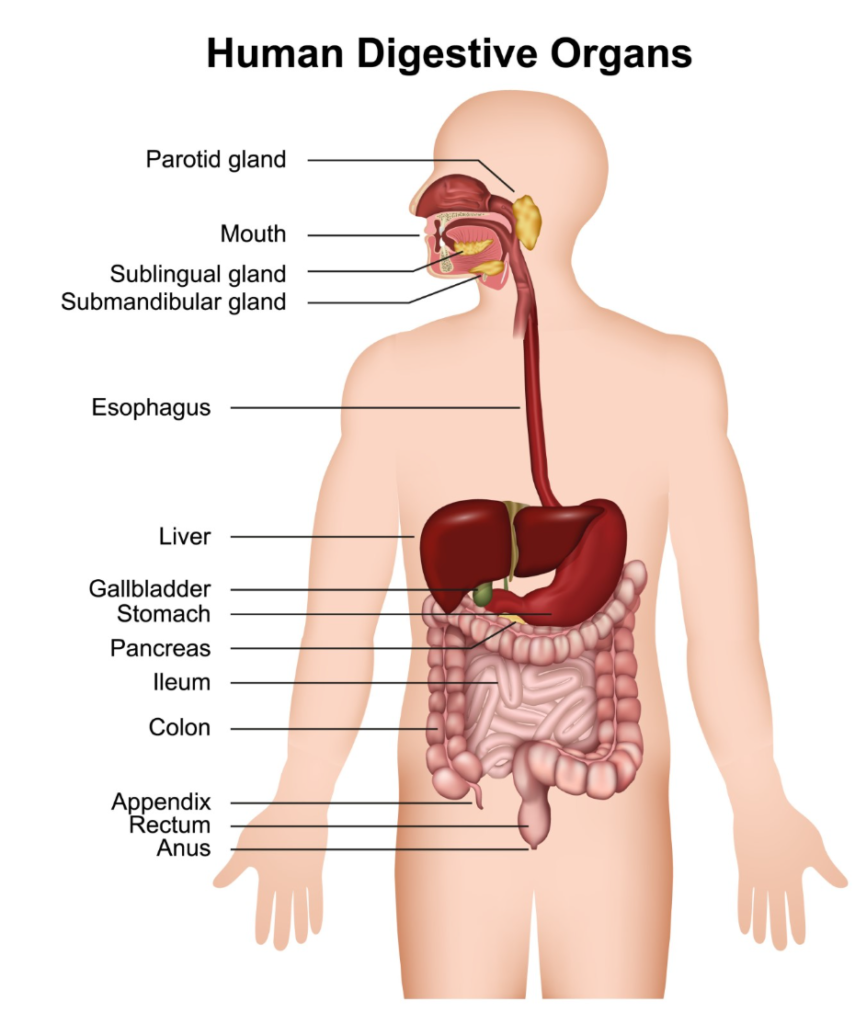
A high-fibre diet reduces the risk of bowel cancer by increasing the bulk of the stool and speeding up its transit through the large intestine. When waste moves more quickly through the system, any potentially harmful chemicals in the stool have less time to come into contact with the bowel lining. Additionally, as gut bacteria break down fibre, they produce short-chain fatty acids that help maintain a healthy environment for the cells lining the colon.
The NHS recommends consuming at least 30 grams of fibre a day from sources such as wholemeal bread, brown rice, and pulses to lower the risk of bowel cancer. Most people in the UK currently consume significantly less than this recommended amount. Increasing fibre intake should be done gradually alongside increased water consumption to allow the digestive system to adapt without causing discomfort.
Red and Processed Meat Consumption
Consuming high quantities of red and processed meats is strongly linked to an increased risk of developing bowel cancer. Processed meats, such as bacon, sausages, and ham, often contain chemicals like nitrites and nitrates, which can damage the cells in the bowel. Red meats, including beef, lamb, and pork, contain haem iron, which may also contribute to the formation of carcinogenic compounds during digestion.
NICE guidelines suggest that individuals who eat more than 90g of red or processed meat a day should cut down to no more than 70g. Choosing lean proteins such as fish, poultry, beans, or lentils is a safer alternative for maintaining colorectal health. It is also beneficial to consider cooking methods, as charring or grilling meat at very high temperatures can produce further harmful chemicals.
The Role of Fruits and Vegetables
Eating a wide variety of fruits and vegetables provides the body with antioxidants and phytochemicals that help repair cell damage. These foods are not only excellent sources of fibre but also contain vitamins and minerals that support the immune system’s ability to identify and destroy abnormal cells. A diverse intake ensures that the gut microbiome remains balanced, which is a key factor in preventing inflammation within the bowel wall.
The “five-a-day” principle remains a cornerstone of UK health advice for cancer prevention. Different coloured fruits and vegetables contain different protective compounds, so variety is as important as quantity. Frozen, tinned, and dried options are also valid choices, provided they do not contain high levels of added salt or sugar, which can negatively impact overall health.
Body Weight and Metabolic Health
Dietary patterns that lead to being overweight or obese are indirectly linked to an increased risk of bowel cancer through chronic inflammation and hormonal changes. Excess body fat, particularly around the waist, can alter the levels of certain hormones like insulin, which may encourage the growth of cancer cells. A diet high in calorie-dense, ultra-processed foods often contributes to this weight gain.
Maintaining a healthy weight through a balanced diet and regular physical activity is one of the most effective ways to lower the risk. Public health data indicates that a significant proportion of bowel cancer cases in the UK could be prevented through healthier weights and improved nutrition. Focusing on whole foods rather than processed items helps regulate appetite and provides the nutrients necessary for cellular repair.
Alcohol and Bowel Cancer Risk
Regularly consuming alcohol increases the risk of bowel cancer by breaking down into chemicals that can damage DNA and prevent cells from repairing themselves. Alcohol also acts as a solvent, making it easier for other harmful chemicals, such as those found in tobacco or certain foods, to enter the cells of the digestive tract. The risk increases with the amount of alcohol consumed over time.
Current UK guidelines advise that to keep health risks low, adults should not regularly drink more than 14 units of alcohol per week. Spreading this consumption over three or more days and having several alcohol-free days each week is recommended. Reducing alcohol intake is a key lifestyle adjustment for anyone looking to proactively manage their colorectal health.
Comparison of Dietary Factors
| Dietary Factor | Impact on Risk | Recommended Action |
| Dietary Fibre | Decreases risk | Aim for 30g daily from whole grains |
| Processed Meat | Increases risk | Limit or avoid bacon, sausages, ham |
| Red Meat | Increases risk | Limit to less than 70g per day |
| Fruit & Veg | Decreases risk | Minimum 5 portions of varying colours |
| Alcohol | Increases risk | Max 14 units per week with dry days |
Conclusion
Diet influences bowel cancer risk by affecting how waste moves through the body and how cells are exposed to harmful compounds. A diet rich in fibre, fruits, and vegetables, combined with limited intake of red and processed meats, provides a strong defensive framework for the colon. Making these adjustments, alongside maintaining a healthy weight and limiting alcohol, significantly contributes to long-term bowel health. If you experience severe, sudden, or worsening symptoms, call 999 immediately.
Does a vegetarian diet prevent bowel cancer?
Vegetarian diets are often lower in red meat and higher in fibre, which are protective factors, but a balanced approach is key regardless of meat consumption.
Is white meat like chicken linked to bowel cancer?
There is currently no strong evidence linking white meat to an increased risk of bowel cancer.
Are there any “superfoods” that stop bowel cancer?
No single food can prevent cancer; it is the overall pattern of a balanced, high-fibre diet that provides protection.
How can I increase my fibre without getting bloated?
Introduce high-fibre foods gradually over several weeks and ensure you drink plenty of water to help the fibre move through your system.
Does taking vitamin supplements reduce the risk?
It is always best to get nutrients from whole foods; supplements should not be used as a replacement for a healthy diet unless advised by a doctor.
Is charcoal-grilled food dangerous?
Occasional consumption is fine, but regularly eating charred meat may increase exposure to chemicals that can damage the bowel lining.
Does drinking coffee affect bowel cancer risk?
Some studies suggest that moderate coffee consumption may have a protective effect, but it should be part of an overall healthy lifestyle.
Authority Snapshot (E-E-A-T)
The information in this article is based on the evidence-based guidelines provided by the NHS and NICE regarding cancer prevention and nutrition. Our medical content team ensures that all recommendations align with current UK health policy to provide the public with safe and accurate health education. This article has been reviewed by Dr. Stefan Petrov, a UK-trained physician with extensive experience in general medicine and surgical procedures.



