




Hepatitis A can cause severe liver failure in a very small number of cases, although the majority of infections resolve completely without causing permanent damage or long term complications. While most individuals experience a self limiting illness characterised by flu like symptoms and jaundice, a rare and serious complication known as fulminant hepatic failure can occur, where the liver rapidly loses its ability to function. This risk is notably higher in specific vulnerable groups, such as older adults or those with pre-existing chronic liver disease. In the United Kingdom, healthcare providers focus on supportive care and monitoring to identify these rare instances early and ensure appropriate clinical intervention is provided.
What We’ll Discuss in This Article
- The definition of acute liver failure in the context of Hepatitis A.
- Specific risk factors that increase the likelihood of severe complications.
- Recognising the signs of deteriorating liver function and inflammation.
- The biological process of how Hepatitis A affects liver tissue.
- Clinical management and monitoring protocols in UK hospitals.
- The role of vaccination in preventing severe viral outcomes.
Understanding Acute Liver Failure and Hepatitis A
Severe liver failure, or fulminant hepatitis, occurs when the Hepatitis A virus causes such extensive inflammation that the liver can no longer perform essential life sustaining functions. In these rare cases, the liver’s synthetic and metabolic capacities decline rapidly over a period of days or weeks. The NHS notes that while most people recover from Hepatitis A within a few months, a very small number may develop sudden and severe liver failure.
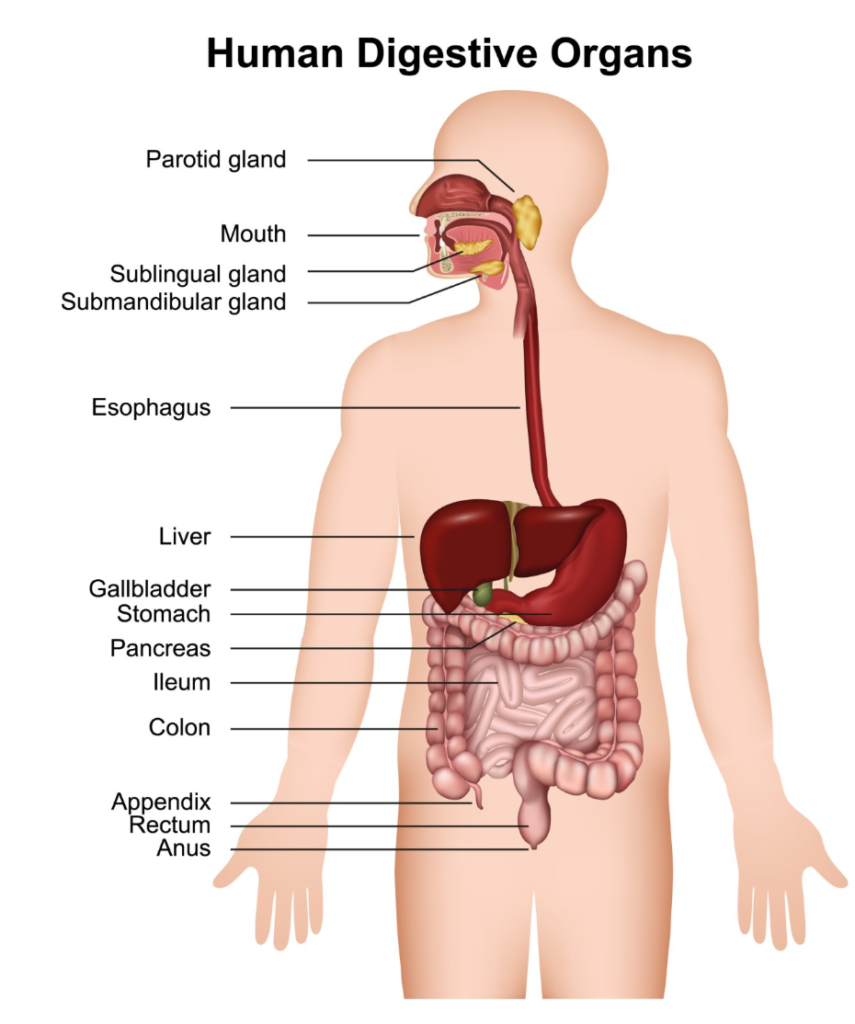
The hallmark of this severe progression is the development of hepatic encephalopathy, which is mental confusion or altered consciousness caused by the build up of toxins in the blood that the liver is failing to filter. Additionally, the liver loses its ability to produce proteins necessary for blood clotting, leading to an increased risk of spontaneous bleeding. Because Hepatitis A does not cause chronic or lifelong infection, this failure is strictly an acute event rather than a slow progression of scarring.
Individuals at Higher Risk for Severe Outcomes
The likelihood of Hepatitis A progressing to severe liver failure is significantly influenced by the patient’s age and their baseline liver health prior to infection. Adults over the age of fifty are statistically more likely to experience a severe clinical course compared to children or younger adults. Children often have very mild or even asymptomatic infections, whereas the elderly may have less physiological reserve to cope with acute organ inflammation.
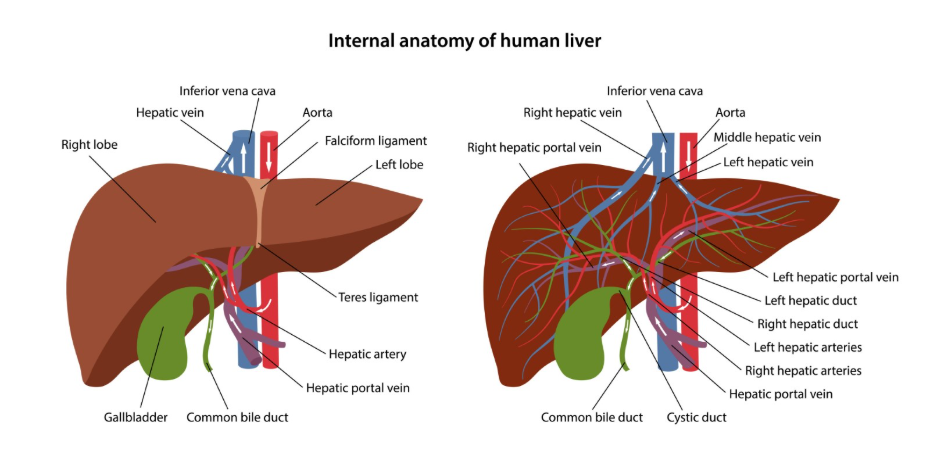
NICE guidelines state that individuals with pre-existing chronic liver diseases, such as Hepatitis B, Hepatitis C, or cirrhosis, are at a much higher risk of life threatening complications if they contract Hepatitis A. For these individuals, the “second hit” of an acute viral infection on an already damaged liver can be catastrophic. This is why the UK green book on immunisation prioritises Hepatitis A vaccination for people with long term liver conditions to prevent the possibility of superimposed acute failure.
Recognising Signs of Deterioration
Identifying the transition from a typical case of Hepatitis A to a severe state requires careful monitoring of physical and mental changes. Deepening jaundice, where the yellowing of the eyes and skin becomes more intense, is a primary indicator of worsening liver distress. However, the most critical “red flag” signs involve changes in brain function and the body’s ability to manage fluid.
Signs of severe liver involvement include:
- Persistent or worsening mental confusion, agitation, or extreme sleepiness.
- Fluid accumulation in the abdomen, known as ascites, or swelling in the legs.
- Spontaneous bruising or bleeding from the gums or nose.
- A sudden reduction in the size of the liver, which can be detected during a clinical examination.
When these signs appear, it indicates that the liver is struggling to regulate its usual biological processes. The UK Health Security Agency provides guidance to clinicians on monitoring liver function tests and clotting times to identify patients who may require intensive care support.
Clinical Management of Severe Hepatitis A
There is no specific antiviral medication to cure Hepatitis A, so the management of severe cases focuses on intensive supportive care and the management of complications. Patients suspected of having severe liver failure are typically admitted to a hospital setting where their blood pressure, fluid balance, and blood chemistry can be monitored continuously. The goal is to support the body’s other organs while the liver attempts to regenerate its cells.
| Clinical State | Typical Management | Monitoring Focus |
| Mild Infection | Home rest and hydration | Symptom tracking |
| Moderate Infection | Potential hospitalisation | Liver function tests |
| Severe Failure | Intensive care support | Neurological status and clotting |
In the most extreme cases of fulminant failure, where the liver cannot recover on its own, an emergency liver transplant may be the only life saving option. Because of the limited availability of donor organs, the UK follows strict criteria to determine which patients are most likely to benefit from this procedure. Fortunately, because the Hepatitis A virus does not remain in the body, a new liver is not at risk of being reinfected by the same virus.
The Protective Role of Vaccination
The risk of severe liver failure from Hepatitis A is highly preventable through the use of safe and effective vaccines. In the UK, the vaccine is not part of the universal childhood schedule but is targeted at those at highest risk, including travellers to certain regions and those with underlying liver disease. The vaccine stimulates the immune system to produce antibodies that neutralise the virus before it can infect liver cells.
Maintaining good hygiene, such as thorough handwashing and safe food preparation, also plays a vital role in reducing the incidence of the virus. For those who have been recently exposed to the virus but have not yet developed symptoms, the administration of a vaccine or immunoglobulin can sometimes prevent the infection from taking hold or reduce the severity of the subsequent illness. This proactive approach is essential for protecting vulnerable populations from the rare but serious risk of acute organ failure.
Conclusion
Hepatitis A can cause severe liver failure, but this remains an extremely rare complication primarily affecting older adults and those with existing liver damage. Most cases are self limiting and result in a full recovery without lasting effects on health. Recognition of neurological changes and bleeding issues is critical for early hospital intervention in severe cases. Vaccination remains the most effective tool for preventing the infection and its rare, life threatening complications. If you experience severe, sudden, or worsening symptoms, call 999 immediately.
How common is liver failure from Hepatitis A?
It is very rare, occurring in less than one percent of cases, usually in people who are already vulnerable.
Can a healthy child die from Hepatitis A?
It is extremely uncommon for children to have severe complications; they often have very mild symptoms compared to adults.
If I had Hepatitis A years ago, am I at risk of liver failure now?
No, Hepatitis A is an acute infection that does not stay in your system; once you have recovered, you are immune for life.
Is there a medicine I can take to stop liver failure if I catch the virus?
There is no specific medicine to kill the virus; doctors use supportive treatments to manage symptoms while the liver heals.
Why is liver failure called “fulminant” in this context?
The word fulminant describes an event that happens very suddenly and with great severity, which is how acute liver failure presents
Does the Hepatitis A vaccine protect against all types of liver failure?
No, the vaccine only protects against failure caused by the Hepatitis A virus, not other causes like alcohol or other viruses.
Can I catch Hepatitis A from someone who has no symptoms?
Yes, people are most infectious in the week or two before their symptoms start, including the period before jaundice appears.
Authority Snapshot (E-E-A-T)
This article provides medically factual health information regarding Hepatitis A and acute liver failure, strictly aligned with NHS and NICE clinical protocols. The content is authored by a medical content team and reviewed by Dr. Rebecca Fernandez, a UK-trained physician with experience across internal medicine, surgery, and emergency care. All guidance follows current UK public health standards to ensure accuracy and patient safety.



